Tag: Renewable Energy Trends

  • How Clean Energy Is Shaping the Future of Power in 2025

    How Clean Energy Is Shaping the Future of Power in 2025

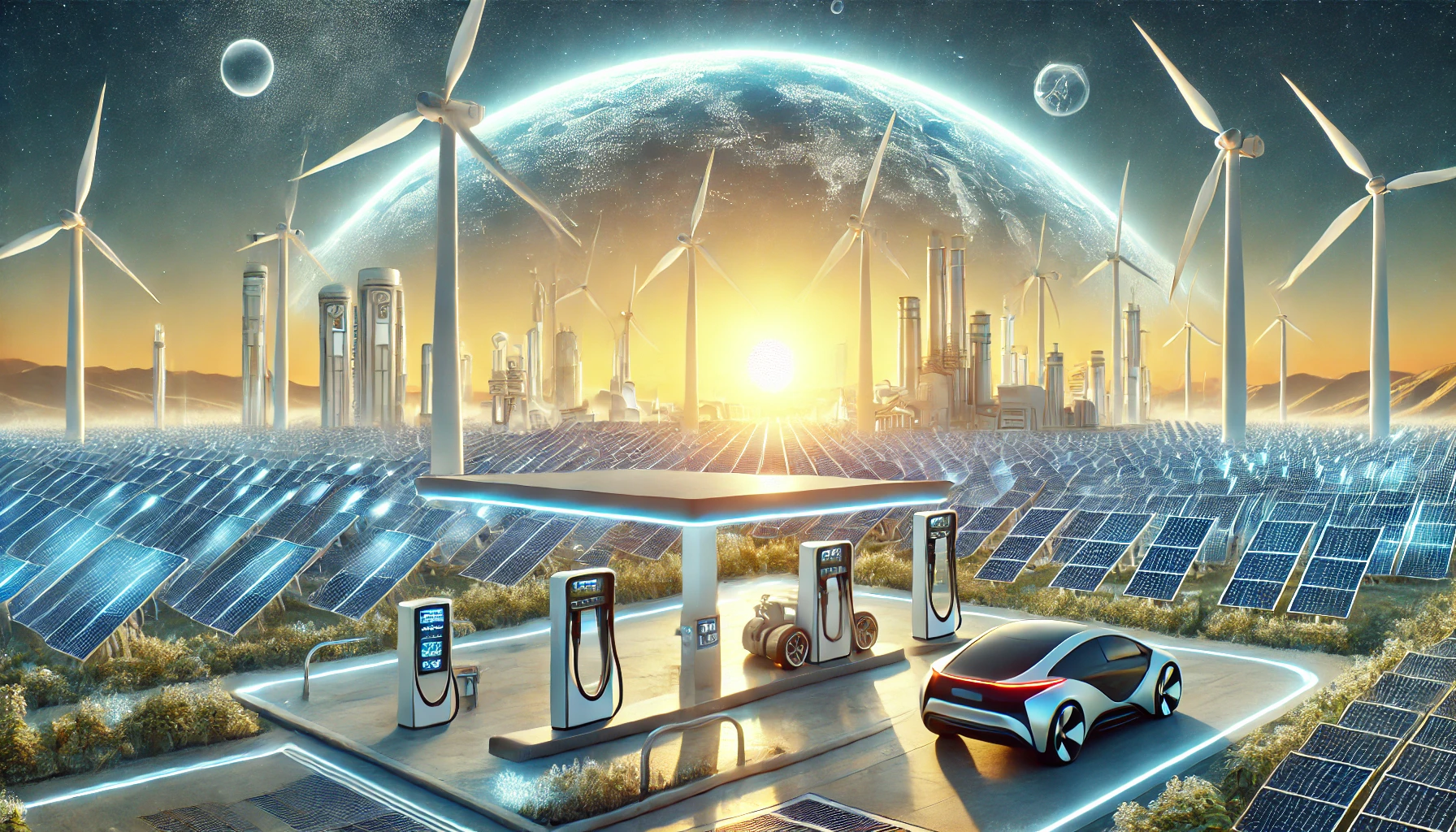
    As global demand for sustainability rises, clean energy has emerged as the cornerstone of the future power industry. In 2025, advancements in renewable energy technologies such as solar, wind, and hydrogen are revolutionizing power generation, reshaping economies, and reducing environmental impacts. Let’s explore how clean energy is shaping the future of power and transforming the energy landscape.


    Why Clean Energy Is the Future of Power

    1. Environmental Sustainability: Reduces carbon emissions and combats climate change.
    2. Economic Growth: Creates jobs and stimulates green economies.
    3. Energy Security: Reduces reliance on fossil fuels and foreign energy sources.
    4. Technological Advancements: Drives innovation in energy storage and grid management.

    Key Clean Energy Trends in 2025

    1. Solar Power Dominance

    Solar energy continues to lead the clean energy revolution with rapidly advancing technologies such as:

    • Bifacial Solar Panels: Generate power from both sides.
    • Perovskite Solar Cells: More efficient and cost-effective.
    • Building-Integrated Solar Panels: Turn buildings into energy generators.

    Global Impact:
    By 2025, solar farms are expected to produce over 50% of global renewable electricity, powering millions of homes and businesses.


    2. Wind Energy Expansion

    Wind power has grown into a major renewable energy source thanks to larger, more efficient turbines.

    • Offshore Wind Farms: Capture strong ocean winds for consistent power.
    • Floating Wind Turbines: Allow installation in deep-water areas.
    • AI-Powered Wind Farms: Optimize output using predictive algorithms.

    Global Impact:
    Countries like the U.S., China, and Germany are setting records with wind power, generating sustainable energy for entire cities.


    3. Hydrogen: The Next Clean Fuel

    Green hydrogen, produced using renewable electricity, is revolutionizing sectors like transportation, aviation, and heavy industry.

    • Hydrogen Fuel Cells: Power electric vehicles (EVs) with zero emissions.
    • Energy Storage: Store excess energy from renewable sources.
    • Industrial Applications: Replace coal and natural gas in steel and chemical production.

    Global Impact:
    Hydrogen-powered trains, planes, and cargo ships are expected to become mainstream by 2025.


    4. Energy Storage Breakthroughs

    Energy storage is critical for balancing power supply and demand in renewable grids.

    • Next-Gen Batteries: Solid-state and lithium-sulfur batteries last longer and store more power.
    • Grid-Scale Storage: Stabilizes electricity supply during peak hours.
    • Home Battery Systems: Enable energy independence for homeowners.

    Global Impact:
    Energy storage capacity is expected to triple by 2025, ensuring a steady supply of renewable power.


    5. Smart Energy Grids & AI Integration

    Smart grids powered by AI and blockchain technology ensure efficient energy distribution, reduce power outages, and enable dynamic energy pricing.

    • AI-Powered Analytics: Forecast energy demand and optimize supply.
    • Smart Meters: Enable real-time energy tracking for consumers.
    • Decentralized Grids: Allow peer-to-peer energy sharing.

    Global Impact:
    Smart grids are predicted to cover 80% of the global power market by 2025.


    The Future of Clean Energy by 2025

    The power industry is undergoing a clean energy revolution, driven by innovation, investment, and global sustainability goals. By adopting renewable technologies, we can create a future powered by clean, affordable, and sustainable energy.
  • The Future of Clean Energy: What to Expect in the Next Decade

    The Future of Clean Energy: What to Expect in the Next Decade

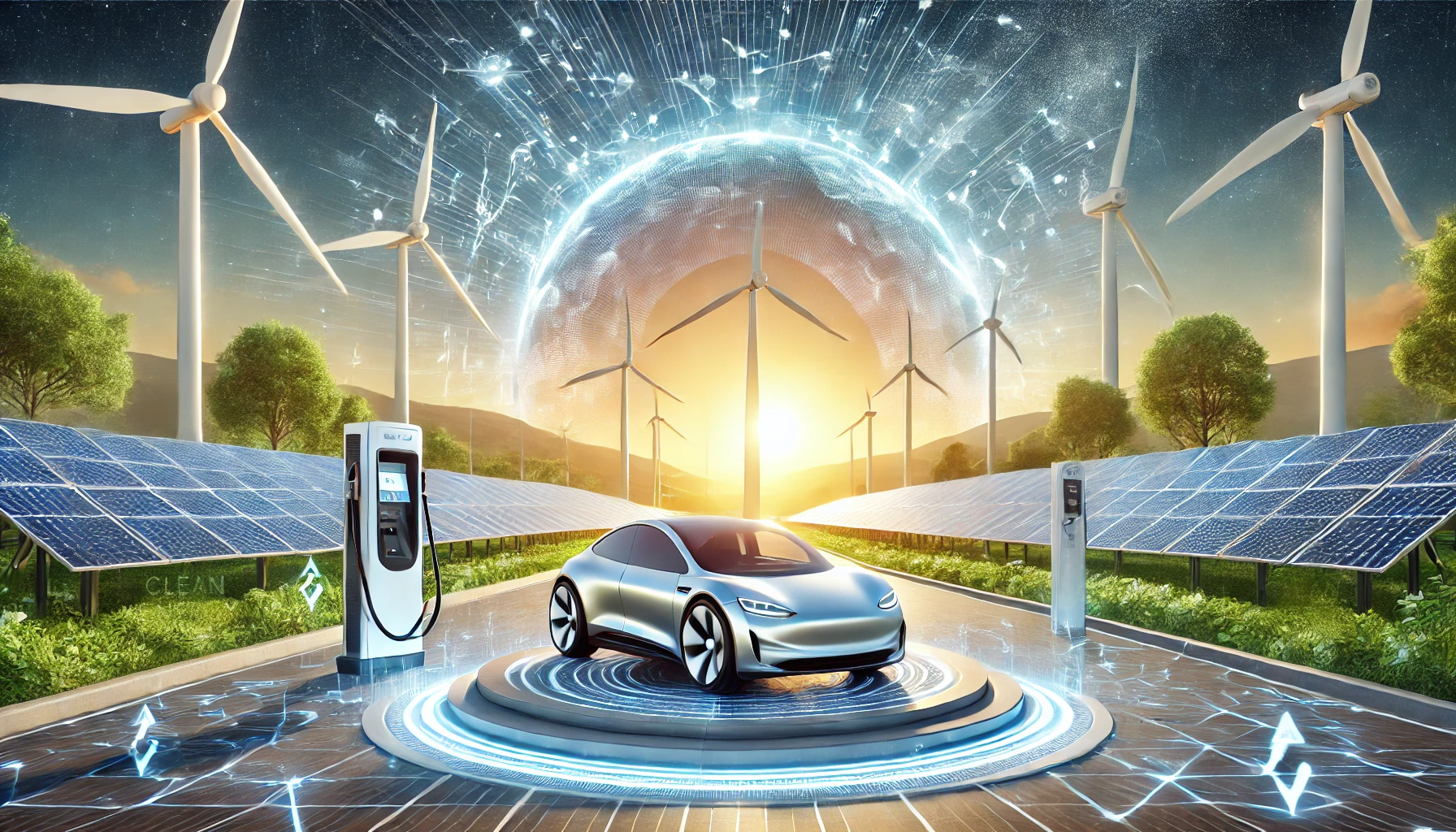
    The clean energy revolution is gaining momentum as global demand for sustainable power continues to rise. The next decade promises transformative changes fueled by technological advancements, policy shifts, and increased investment in renewable energy sources. Let’s explore the future of clean energy and what we can expect by 2034.


    Key Trends Shaping the Future of Clean Energy

    1. Advanced Solar Technologies

    Solar energy will remain central to the clean energy landscape. Expect high-efficiency solar panels, solar skins, and transparent solar windows that turn everyday surfaces into energy-generating platforms.

    Forecast: By 2034, solar energy is expected to be the most cost-effective energy source globally.


    2. Wind Power Expansion

    Wind energy technology will evolve with larger turbines and floating offshore wind farms. These advancements will unlock vast offshore wind potential, making wind power a dominant force in renewable energy generation.

    Forecast: Offshore wind capacity could increase by 10x, supplying power to millions of homes.


    3. Energy Storage Breakthroughs

    Energy storage is key to stabilizing renewable energy grids. Expect solid-state batteries, hydrogen fuel cells, and next-gen lithium-ion batteries that will store energy more efficiently and last longer.

    Forecast: Grid-scale battery storage will become commonplace, enabling uninterrupted renewable energy supply.


    4. Green Hydrogen Revolution

    Green hydrogen, produced using renewable electricity, will fuel sectors hard to decarbonize, such as heavy industry, shipping, and aviation.

    Forecast: Green hydrogen could replace fossil fuels in major industrial operations within a decade.


    5. Smart Grids and AI Integration

    Smart grids powered by artificial intelligence (AI) and blockchain technology will enhance energy distribution and consumption monitoring. This means more efficient grids with fewer outages.

    Forecast: Smart energy systems will become standard in both developed and emerging economies.


    6. Electric Vehicle (EV) Expansion

    The EV market will expand rapidly, supported by cleaner energy grids and ultra-fast charging stations. Innovations like vehicle-to-grid (V2G) technology will let EVs return energy to the power grid.

    Forecast: EVs will dominate global auto sales, with fossil-fuel cars becoming obsolete.


    7. Global Policy and Investment Boosts

    Supportive policies and international agreements will accelerate clean energy adoption. Expect major investments from governments and private sectors to build sustainable energy infrastructure.

    Forecast: Global renewable energy investments could exceed $10 trillion by 2034.


    Conclusion

    The future of clean energy is bright and full of potential. From solar breakthroughs to hydrogen power and smarter grids, the next decade will be defined by cleaner, more efficient, and sustainable energy systems. If you’re ready to be part of this green revolution, explore cutting-edge clean energy solutions at Clean Energy by BATVE.