Tag: Renewable energy solutions

  • How to Transition to Clean Energy: A Comprehensive Guide for Homeowners

    How to Transition to Clean Energy: A Comprehensive Guide for Homeowners

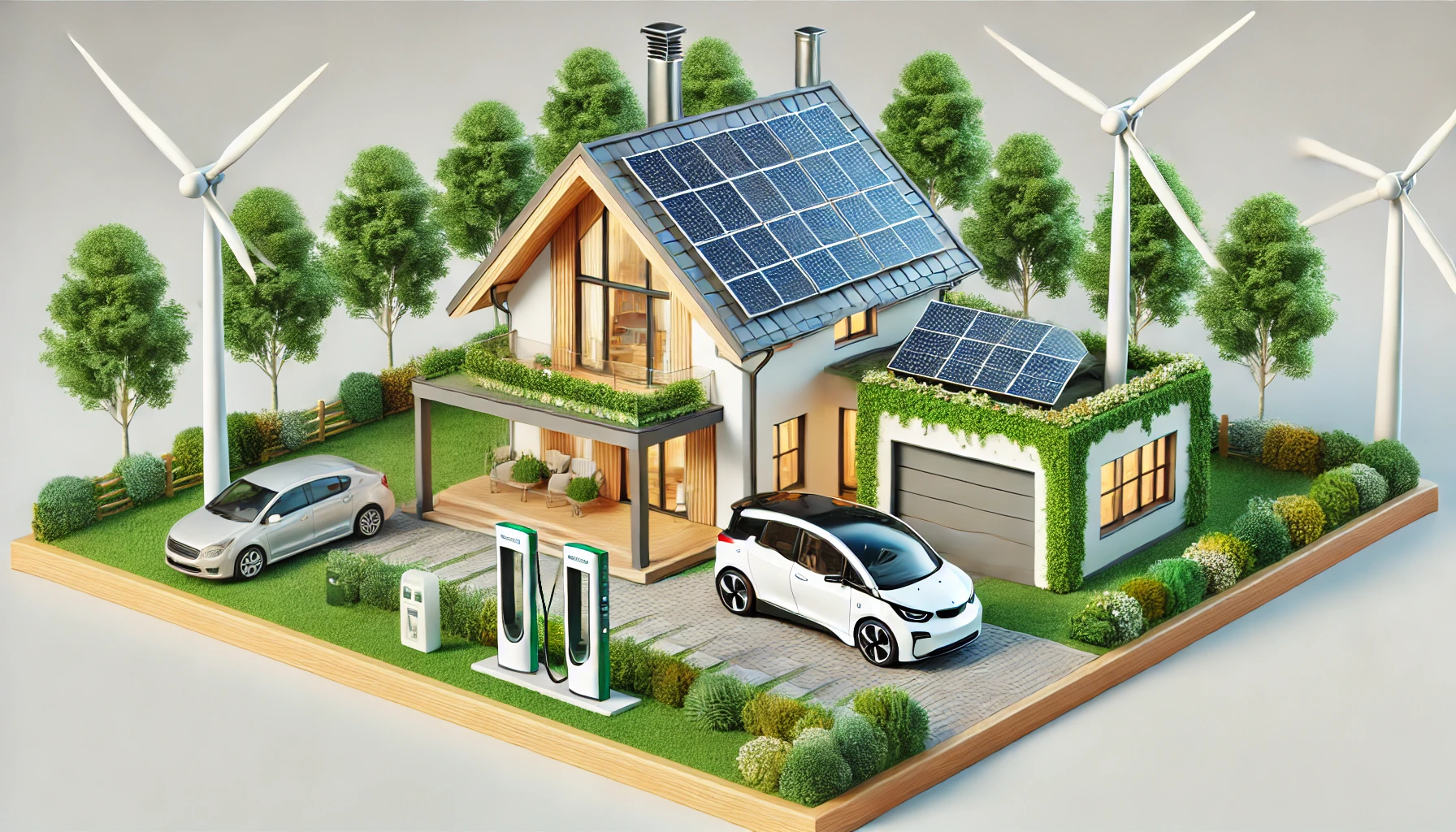
    Transitioning to clean energy is one of the best ways homeowners can reduce their carbon footprint, save money, and contribute to a sustainable future. This guide will walk you through the steps, from understanding clean energy options to implementing them in your home.


    Why Transition to Clean Energy?

    1. Environmental Impact: Reduces greenhouse gas emissions.
    2. Energy Savings: Lowers monthly utility bills.
    3. Energy Independence: Protects against rising energy costs.
    4. Home Value Increase: Eco-friendly homes are more appealing to buyers.

    Step-by-Step Guide to Transitioning to Clean Energy

    1. Assess Your Home’s Energy Needs

    • Conduct an energy audit to identify power usage.
    • Evaluate areas for improvement, such as insulation and appliance upgrades.

    2. Explore Clean Energy Sources

    a. Solar Power

    • How It Works: Converts sunlight into electricity.
    • Best For: Sunny regions and homes with south-facing roofs.

    b. Wind Power

    • How It Works: Wind turbines generate electricity from wind energy.
    • Best For: Homes in windy areas with open spaces.

    c. Geothermal Heating & Cooling

    • How It Works: Uses underground temperatures for heating and cooling.
    • Best For: Homes undergoing major renovations or new builds.

    3. Upgrade Home Energy Systems

    a. Smart Home Devices

    • Install smart thermostats and energy-efficient appliances to reduce energy waste.

    b. Energy-Efficient Lighting

    • Replace old bulbs with LED or smart lighting systems.

    4. Install Solar Panels or Wind Turbines

    • Hire certified professionals for safe and efficient installation.
    • Check for local and federal tax credits or rebates.

    5. Consider Energy Storage Solutions

    • Add battery storage systems to store excess energy for later use.
    • Look for home backup options to stay powered during outages.

    6. Switch to a Green Energy Provider

    • Contact your electricity provider to switch to renewable energy plans.
    • Compare providers to find the most eco-friendly and cost-effective plan.

    7. Take Advantage of Financial Incentives

    • Research federal, state, and local tax incentives.
    • Apply for solar panel rebates, energy-efficient home improvement grants, and clean energy loans.

    The Future Is Green: Why Act Now?

    With climate change posing significant environmental risks, now is the perfect time for homeowners to adopt clean energy solutions. The benefits go beyond personal savings—they help create a cleaner, more sustainable planet for future generations.


    Get Started Today!

    Ready to power your home with clean energy? Visit Clean Energy by BATVE to learn about the latest renewable energy solutions tailored for homeowners.
  • Why Clean Energy Is Key to Combating Climate Change

    Why Clean Energy Is Key to Combating Climate Change

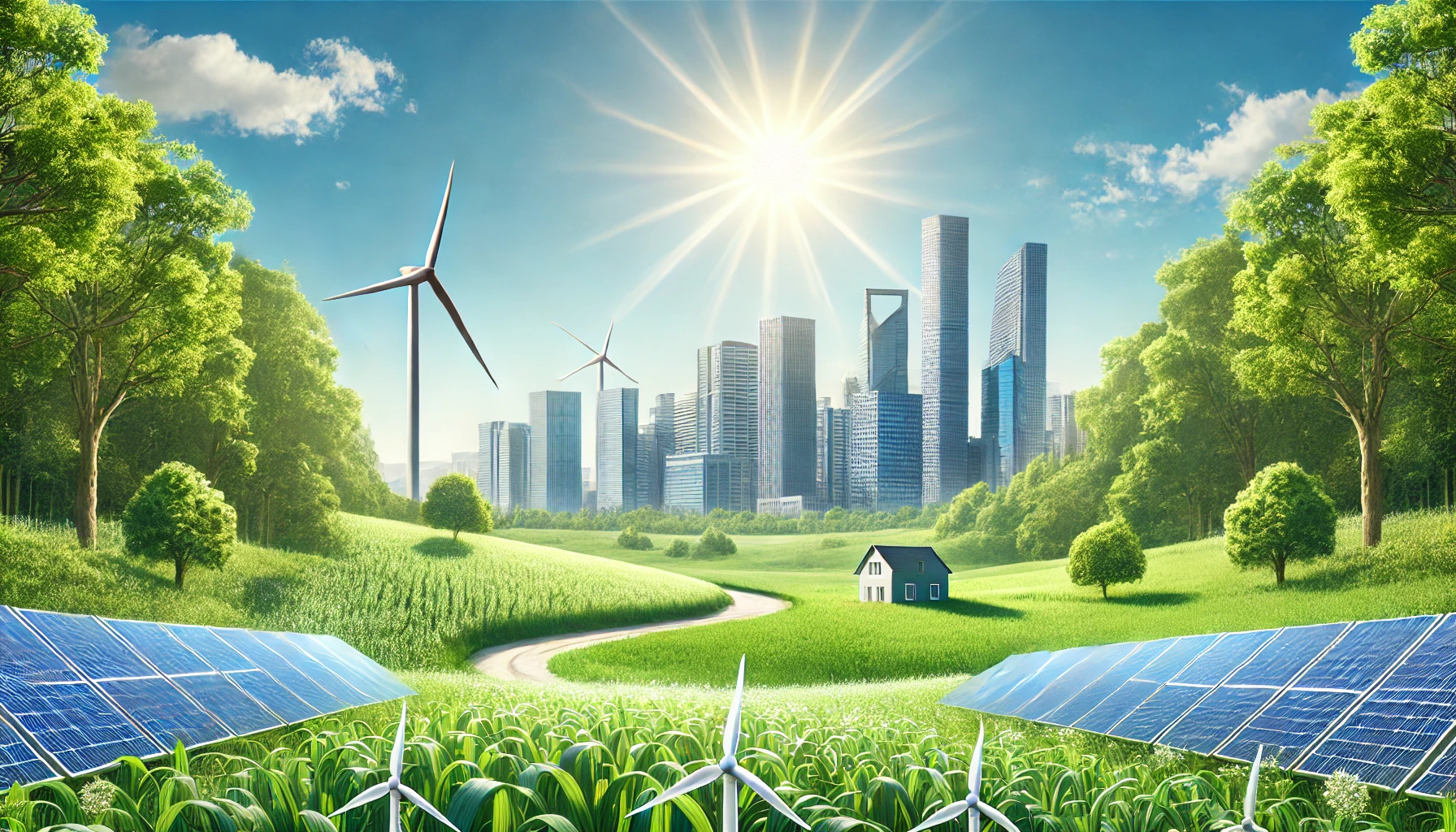
    The world is facing an urgent climate crisis, and reducing carbon emissions is essential to slowing global warming. One of the most effective solutions is clean energy. By harnessing renewable resources like solar, wind, and hydropower, clean energy can significantly reduce greenhouse gas emissions while promoting economic growth and energy independence.

    In this blog, we’ll explore why clean energy is critical to combating climate change and how it can shape a sustainable future.


    What Is Clean Energy?

    Clean energy refers to power generated from renewable, zero-emission sources that do not pollute the environment. Common clean energy sources include:

    • Solar Power – Captures sunlight using photovoltaic cells.
    • Wind Power – Generates electricity from wind turbines.
    • Hydropower – Uses flowing water to produce energy.
    • Geothermal Energy – Harvests heat from beneath the Earth’s surface.

    To learn more about clean energy technologies, visit CleanEnergy.Batve.com.


    How Clean Energy Helps Combat Climate Change

    1. Reducing Greenhouse Gas Emissions

    Traditional energy sources like coal and natural gas emit harmful gases such as carbon dioxide (CO2). Clean energy sources produce little to no emissions, making them a powerful tool for reducing our carbon footprint.


    2. Lowering Air and Water Pollution

    Burning fossil fuels releases pollutants that harm both air and water quality. Clean energy technologies such as wind and solar power generate electricity without emitting toxins, ensuring a healthier environment.


    3. Enhancing Energy Efficiency

    Switching to clean energy can enhance energy efficiency. For example, solar panels and wind turbines are designed to maximize energy output while minimizing waste, making power production far more sustainable.


    4. Promoting Energy Security

    Clean energy sources are locally available, reducing reliance on imported fuels. This strengthens energy security and protects against energy price fluctuations.


    5. Supporting Economic Growth

    The clean energy industry is driving job creation in sectors such as solar installation, wind turbine manufacturing, and energy efficiency services. A growing clean energy economy helps fight climate change while boosting global economic resilience.


    Why Act Now?

    Climate change is an urgent global challenge. Every step toward adopting clean energy helps protect the environment, promote public health, and secure a more sustainable world.


    Explore Clean Energy Solutions Today

    Switching to clean energy isn’t just good for the environment—it’s essential for combating climate change. Take the first step toward a sustainable future by exploring clean energy products and services at CleanEnergy.Batve.com. From solar installations to energy-efficient technologies, find eco-friendly solutions tailored to your needs.