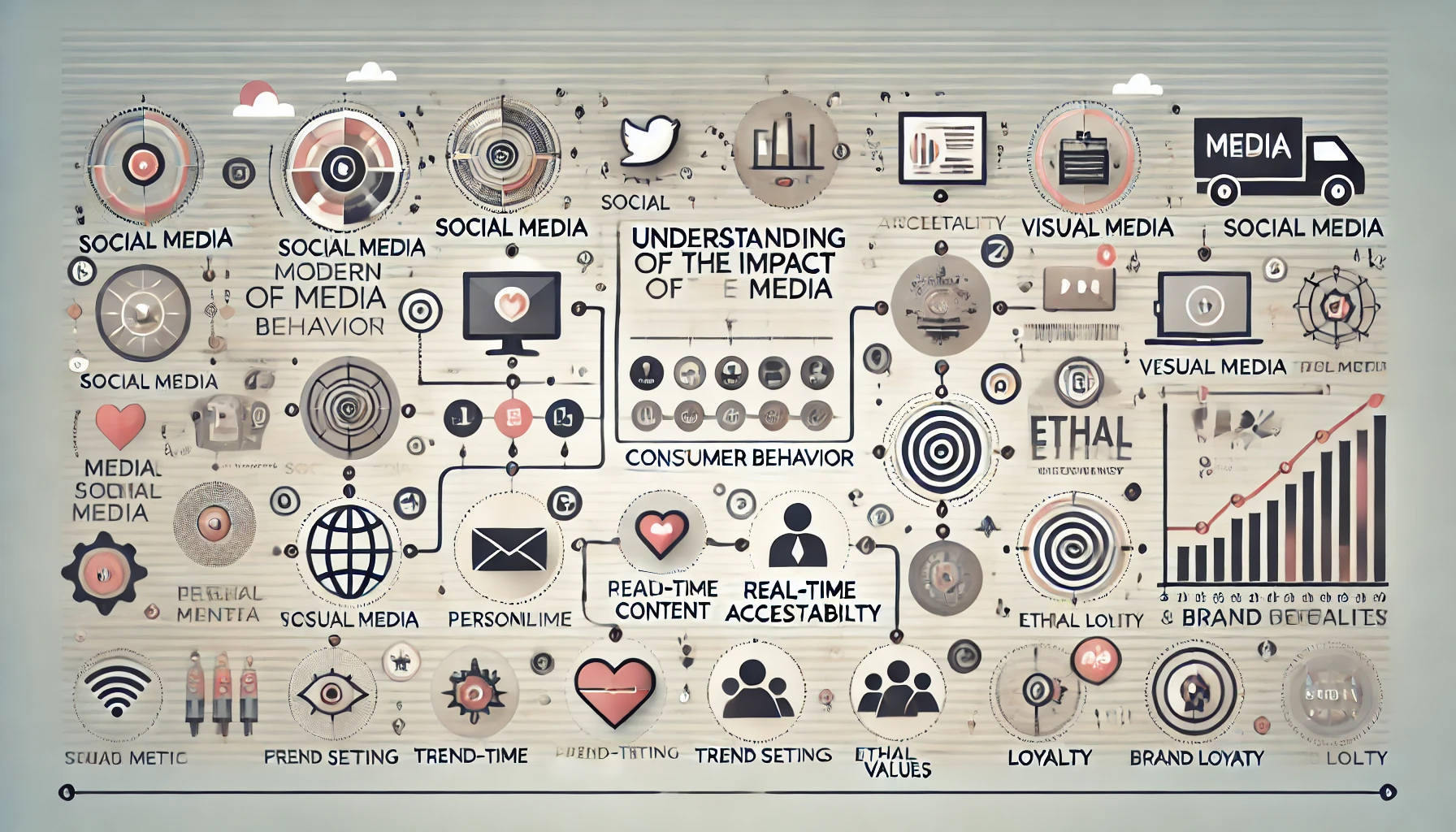
In today’s hyper-connected world, media is everywhere—from traditional outlets like TV and radio to digital platforms like social media, blogs, and streaming services. This constant media presence significantly influences modern consumer behavior, shaping how we think, feel, and make purchasing decisions. Understanding the impact of media on consumer behavior can help brands connect with audiences more effectively and tailor their strategies to meet changing demands.
1. The Rise of Social Media and Peer Influence
Social media platforms like Instagram, Facebook, TikTok, and Twitter have become central to daily life, making them one of the most powerful influences on consumer behavior. Users engage with friends, family, influencers, and brands, creating an environment where opinions and experiences are widely shared. This peer influence shapes consumer choices by:
- Creating a sense of community and trust around certain products or services
- Amplifying word-of-mouth marketing, where recommendations from friends or trusted influencers drive purchases
- Generating trends and “must-have” items, making social proof a critical element in the buying journey
Brands can leverage this influence by collaborating with influencers, fostering brand communities, and encouraging user-generated content, all of which establish social credibility.
2. The Influence of Visual Media and Advertising
Visual media—videos, images, and infographics—engages consumers more effectively than text alone. Platforms like YouTube, Instagram, and TikTok focus heavily on visuals, which have a profound impact on consumer behavior. Visual advertising tends to:
- Capture attention quickly and leave a lasting impression
- Communicate a brand’s story or message in an easily digestible format
- Evoke emotions, which play a large role in purchase decisions
Videos, in particular, allow brands to showcase product features, demonstrate use cases, and provide behind-the-scenes glimpses. Visual media helps brands communicate their identity and value, fostering stronger connections with consumers.
3. The Role of Personalized Content in Media Consumption
Personalization is a growing trend across digital media, allowing brands to tailor their messages based on consumer data. By analyzing online behavior, preferences, and purchasing history, companies can deliver content that resonates with individual users. Personalized content enhances consumer experience by:
- Making ads and recommendations more relevant and less intrusive
- Increasing the likelihood of conversions by addressing specific needs and interests
- Encouraging consumer loyalty through a sense of understanding and attentiveness
Email marketing, personalized social media ads, and curated product recommendations are examples of how brands use personalization to influence buying behavior. Consumers now expect a tailored experience, and brands that deliver it often see higher engagement and satisfaction.
4. The Impact of News and Information Accessibility
Consumers today have unprecedented access to information, allowing them to research products, read reviews, and compare brands at their convenience. This accessibility impacts consumer behavior by:
- Empowering informed decisions based on research and third-party opinions
- Increasing skepticism, as consumers tend to scrutinize brands and seek transparency
- Shaping purchasing decisions through social responsibility, as consumers are more likely to support brands with ethical practices
With media coverage of issues like sustainability, inclusivity, and corporate responsibility, consumers increasingly favor brands that align with their values. As a result, businesses are under pressure to be transparent and socially responsible.
5. The Influence of Real-Time Media and Instant Gratification
Instant gratification is a growing consumer expectation due to the immediacy of digital media. With a single click, consumers can make a purchase, access information, or share opinions. This desire for instant results shapes consumer behavior by:
- Increasing demand for efficient shopping experiences, like one-click purchases and same-day delivery
- Fueling the popularity of “buy now, pay later” options, as consumers want instant access without immediate financial commitment
- Favoring brands that provide seamless, fast, and convenient service
Brands that streamline the buying process, provide prompt responses, and ensure a smooth online experience can better meet consumers’ need for instant satisfaction.
6. The Role of Media in Shaping Trends and Fads
Media platforms drive trends at unprecedented speeds. From fashion and beauty to technology and fitness, trending topics become popular quickly, often due to viral content or influencer endorsements. This rapid trend cycle impacts consumer behavior by:
- Encouraging impulse purchases driven by “fear of missing out” (FOMO)
- Increasing demand for limited-edition or “hyped” products that are perceived as exclusive
- Making brand adaptability essential, as consumers move on to new trends quickly
For brands, keeping an eye on social media trends and participating in relevant challenges or “viral moments” can increase engagement and appeal to trend-driven consumers.
7. The Shift Towards Ethical and Value-Driven Consumption
With media highlighting social and environmental issues, consumers are becoming more aware of the impact of their purchases. As a result, consumer behavior is increasingly influenced by a brand’s ethical practices, environmental impact, and social responsibility. This shift is evident in:
- The rise of conscious consumerism, where buyers prioritize brands with ethical sourcing, environmental sustainability, and fair labor practices
- Increased demand for transparency regarding materials, manufacturing processes, and company policies
- Higher loyalty and advocacy for brands that support causes aligned with consumer values
Brands that communicate their commitment to ethical practices are more likely to resonate with today’s socially conscious consumers.
8. Media’s Role in Building Brand Loyalty
In a world where consumers have endless options, brand loyalty is hard to achieve. Media plays a crucial role in building and sustaining loyalty by helping brands:
- Stay top-of-mind through consistent, value-driven messaging
- Interact with customers directly, fostering a sense of community and personal connection
- Offer exclusive content, behind-the-scenes access, and rewards programs that create a loyal customer base
A strong media presence allows brands to reinforce their identity, establish trust, and engage consumers on a deeper level.
Conclusion
Media has a profound impact on modern consumer behavior, influencing everything from initial awareness to long-term loyalty. By understanding how various media platforms and content types shape consumer preferences and decisions, brands can adapt their strategies to better meet audience expectations.
Whether through social media, personalized content, ethical branding, or trend-driven marketing, businesses can leverage media to build meaningful connections and drive growth. Staying attuned to these media influences is essential for brands seeking to remain competitive in today’s dynamic market.
