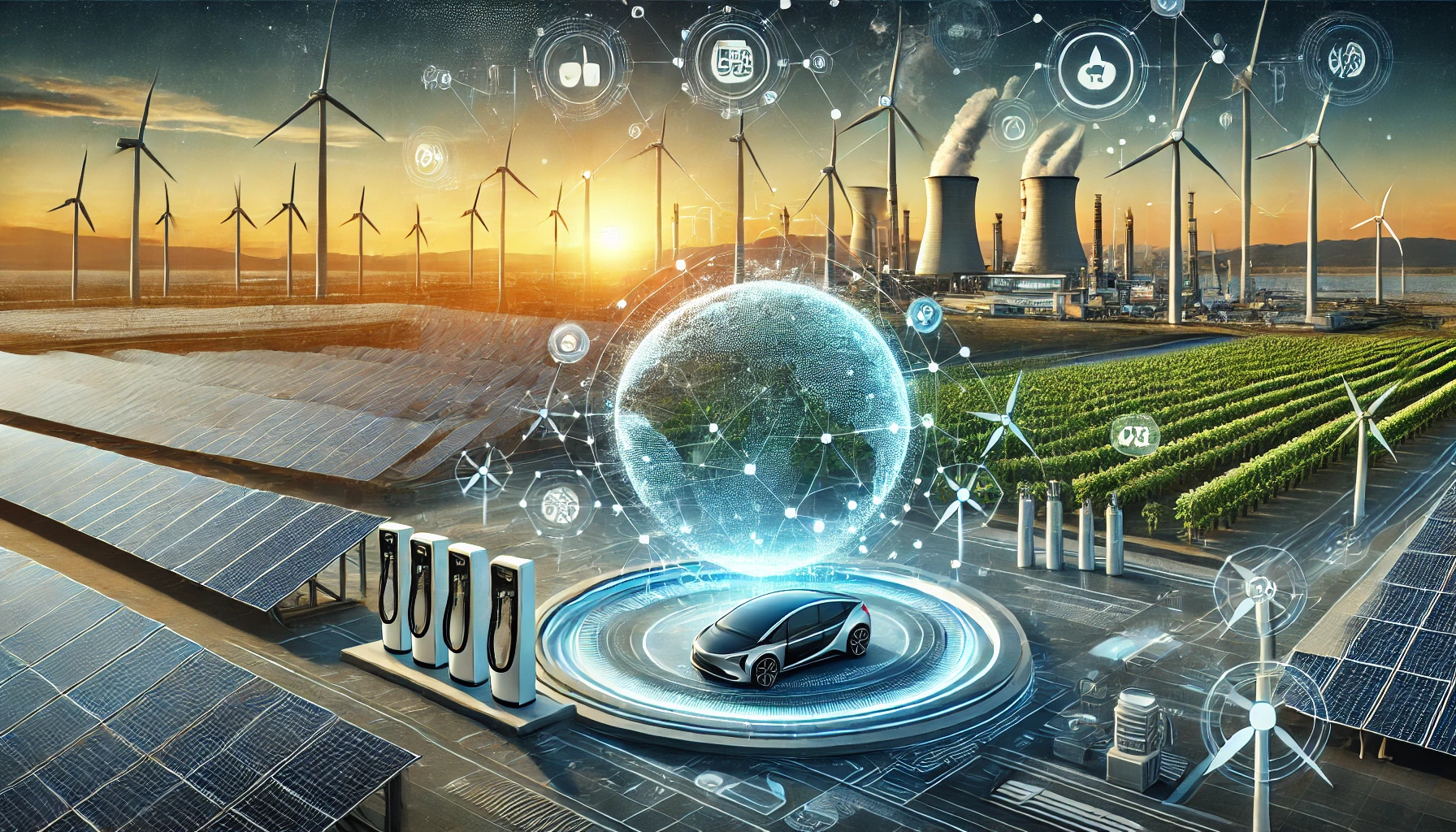
The global energy market is undergoing a transformative shift driven by clean energy trends that promise sustainability, innovation, and economic growth. Renewable energy technologies like solar, wind, hydrogen, and smart energy grids are reshaping how the world generates and consumes power. Let’s explore the top clean energy trends poised to transform the global energy landscape.
1. Solar Energy Expansion
Solar power continues to lead the renewable energy revolution due to its scalability, declining costs, and technological advancements.
Key Trends in Solar Energy:
- Advanced Solar Panels: Bifacial and perovskite panels for higher efficiency.
- Floating Solar Farms: Solar panels on water bodies to reduce land use.
- Solar Skins and Solar Roofs: Integrating solar panels into architectural designs.
Global Impact:
Solar energy capacity is expected to double by 2030, becoming the largest renewable energy source worldwide.
2. Wind Power Revolution
Wind energy is growing rapidly with technological innovations making it more efficient and accessible.
Wind Energy Innovations:
- Offshore Wind Farms: Capturing stronger winds in oceans.
- Floating Wind Turbines: Operating in deeper waters for maximum output.
- AI-Optimized Wind Farms: Using artificial intelligence for predictive maintenance and performance optimization.
Global Impact:
Wind energy is expected to supply 35% of global electricity demand by 2035.
3. Hydrogen Energy Breakthroughs
Green hydrogen is emerging as the future of clean fuel, with applications in transportation, industry, and energy storage.
Hydrogen Energy Trends:
- Hydrogen-Powered Vehicles: Electric cars, buses, and trains powered by hydrogen fuel cells.
- Industrial Decarbonization: Replacing coal and natural gas in industries.
- Hydrogen Storage and Export: Enabling long-term energy storage and export markets.
Global Impact:
The hydrogen economy could be worth $2.5 trillion by 2050, creating millions of green jobs globally.
4. Smart Energy Grids and AI Integration
Smart grids are revolutionizing electricity distribution with the help of AI-powered systems and blockchain technology.
Smart Grid Innovations:**
- AI-Driven Demand Forecasting: Predicting and managing energy loads.
- Smart Meters and Home Automation: Giving consumers more control over energy use.
- Decentralized Energy Markets: Enabling peer-to-peer energy trading through blockchain.
Global Impact:
Smart grid technology is expected to reduce global power outages by 60% by 2030.
5. Energy Storage Breakthroughs
Energy storage systems are essential for stabilizing renewable energy grids. New technologies are making batteries more powerful, longer-lasting, and eco-friendly.
Storage Innovations:**
- Solid-State Batteries: Longer lifespans and faster charging.
- Grid-Scale Battery Farms: Providing backup power during peak demand.
- Home Energy Storage Systems: Allowing households to store solar energy for later use.
Global Impact:
Global energy storage capacity is expected to triple by 2030, making clean energy more reliable and cost-effective.
6. Electric Vehicle (EV) Adoption
The rise of electric vehicles (EVs) is driving clean energy adoption by reducing reliance on fossil fuels.
EV Market Trends:**
- Ultra-Fast Charging Stations: Reducing charging times dramatically.
- Vehicle-to-Grid (V2G) Technology: Allowing EVs to return power to the grid when needed.
- Fleet Electrification: Expanding EV use in logistics and public transportation.
Global Impact:
EVs could account for 60% of global car sales by 2035, significantly cutting global emissions.
7. Carbon Capture and Storage (CCS)
Carbon capture and storage (CCS) technology helps reduce greenhouse gas emissions from industrial processes and power plants.
CCS Innovations:**
- Direct Air Capture: Extracting CO2 directly from the atmosphere.
- Enhanced Carbon Storage: Using captured CO2 for industrial applications.
- Zero-Emission Plants: Deploying CCS in power plants for zero-emission energy production.
Global Impact:
CCS is projected to reduce 15% of global CO2 emissions by 2040, playing a critical role in achieving climate goals.
8. Renewable Energy Investment and Policies
Governments and private investors are pouring billions of dollars into renewable energy projects, driven by global sustainability goals.
Policy Trends:
- Clean Energy Incentives: Tax credits and subsidies for solar, wind, and EVs.
- Net-Zero Commitments: Countries pledging to achieve net-zero emissions by 2050.
- Green Bonds: Financing large-scale clean energy projects through green investments.
Global Impact:
Global investments in clean energy are expected to surpass $1 trillion annually by 2030.
Conclusion
The global energy market is evolving rapidly, driven by transformative clean energy trends. These innovations promise a sustainable, eco-friendly future while unlocking new economic opportunities. Businesses, governments, and individuals must embrace these trends to create a carbon-neutral world.
