Category: Clean Energy

  • The Future of Clean Energy: Top Trends Shaping Sustainable Power in 2025

    The Future of Clean Energy: Top Trends Shaping Sustainable Power in 2025

    The global transition toward clean energy is accelerating as countries adopt sustainable energy solutions to combat climate change. As we approach 2025, advancements in technology, policy shifts, and investment in renewable energy are reshaping the power industry. In this blog, we’ll explore the top clean energy trends set to shape the future of sustainable power in 2025.


    1. Expansion of Renewable Energy Sources

    The adoption of renewable energy sources like solar, wind, and hydroelectric power is expected to surge. With falling costs and technological advancements, more residential and commercial properties will shift to clean energy. Solar panel efficiency is projected to reach record highs, while wind farms will become more efficient through offshore installations.

    Key Insight: Businesses and homeowners can explore solar and wind energy systems at CleanEnergy.Batve.com for reliable, sustainable solutions.


    2. Energy Storage Revolution

    Energy storage technology will play a crucial role in stabilizing power grids. As batteries become more affordable and efficient, energy storage systems will enable continuous power supply even during outages. This will reduce dependency on fossil fuels and enhance grid resilience.


    3. Smart Grids and AI Integration

    The rise of smart grids powered by artificial intelligence (AI) will revolutionize energy distribution. AI-driven systems will optimize power consumption, reduce energy waste, and balance grid loads in real time. Smart meters and home automation devices will become standard household features.


    4. Green Hydrogen Power

    Green hydrogen, generated through renewable energy sources, is poised to become a game-changer. Its applications in industries like transportation, manufacturing, and heavy-duty equipment could significantly lower carbon emissions in traditionally hard-to-decarbonize sectors.


    5. Electric Vehicle (EV) Growth

    The electric vehicle revolution is showing no signs of slowing down. In 2025, EV adoption will be fueled by cleaner, more efficient charging infrastructure powered by renewable energy. Expect EV battery technology to become more advanced, enabling longer ranges and faster charging times.


    6. Decentralized Energy Systems

    Microgrids and decentralized energy systems will gain popularity, allowing communities to generate and manage their power locally. This trend will enhance energy independence while reducing grid congestion and transmission losses.


    7. Carbon Capture and Storage (CCS)

    Carbon capture technology will play a crucial role in reducing industrial emissions. CCS systems capture carbon dioxide from the air and store it underground or use it in industrial processes, helping industries meet net-zero emission targets.


    8. Policy and Government Support

    Global policy shifts and government incentives will continue driving the adoption of renewable energy. Tax breaks, subsidies, and energy credits will encourage businesses and homeowners to invest in clean energy technologies.


    9. Circular Economy Practices

    Clean energy companies will adopt circular economy principles by recycling and repurposing old solar panels, wind turbines, and batteries. This approach will reduce waste and promote sustainability within the renewable energy industry.


    10. Investment in Green Infrastructure

    The next wave of investment in green infrastructure, including eco-friendly buildings and smart cities, will enhance sustainability efforts. Infrastructure upgrades will be powered by clean energy sources, creating sustainable urban environments.


    Why Choose Clean Energy for a Sustainable Future?

    Clean energy is no longer a futuristic concept—it’s the key to combating climate change and ensuring a sustainable world. Stay ahead of the curve by exploring clean energy solutions at CleanEnergy.Batve.com. From solar installations to EV charging stations, our platform offers innovative products that help you reduce your carbon footprint while saving on energy costs.
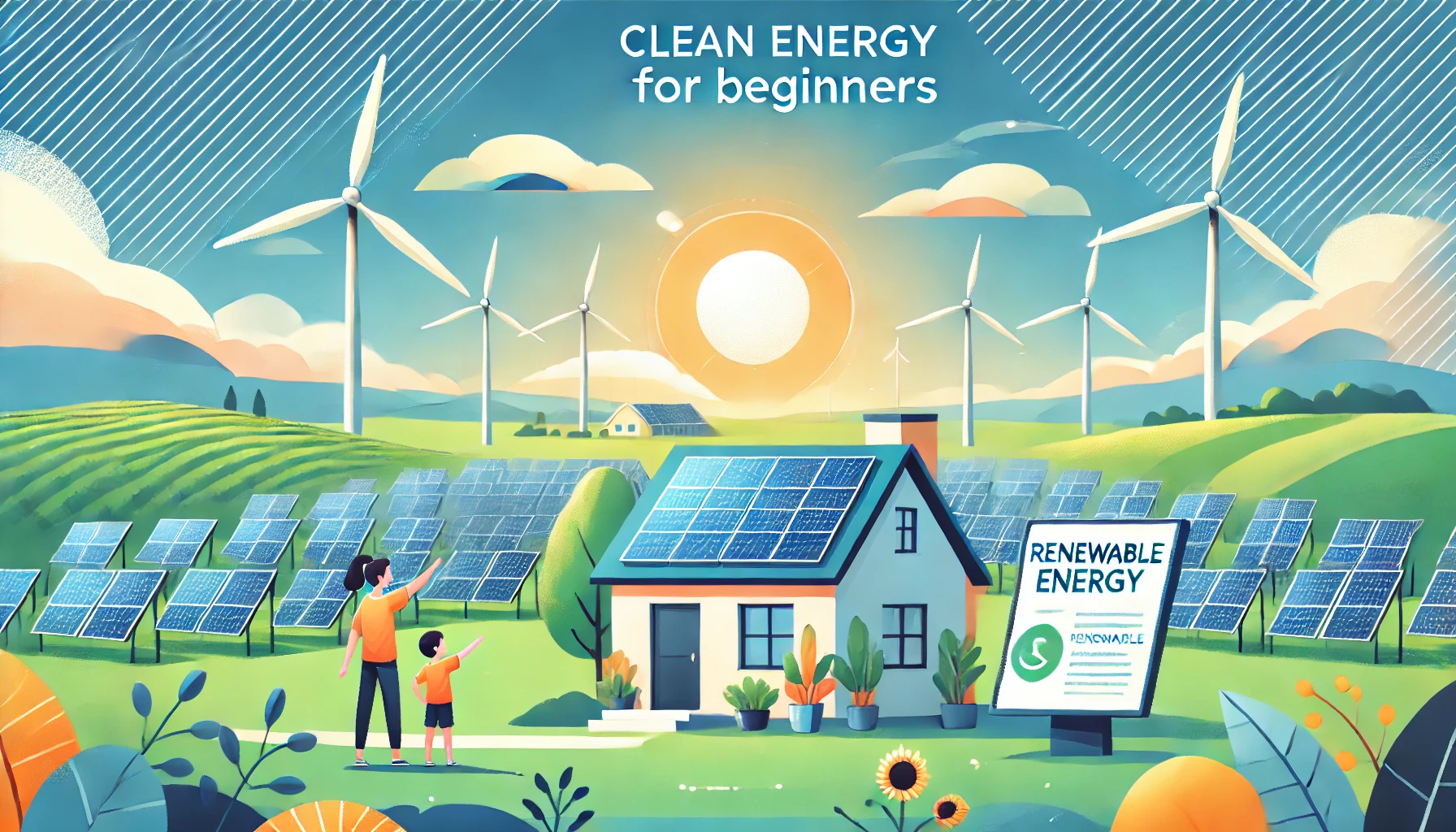
  • A Beginner’s Guide to Understanding Clean Energy and Its Impact

    A Beginner’s Guide to Understanding Clean Energy and Its Impact

    Clean energy is transforming how we power our homes, businesses, and communities. As concerns about climate change and energy sustainability grow, adopting renewable energy has become more important than ever. But what exactly is clean energy, and how does it impact our daily lives?

    This beginner’s guide will help you understand the basics of clean energy, its benefits, and how you can be part of this global shift. Explore solutions tailored to your needs at Clean Energy by Batve.


    What is Clean Energy?

    Clean energy, also known as renewable energy, comes from sources that are naturally replenished and produce little to no greenhouse gas emissions. Unlike fossil fuels, which release harmful pollutants into the atmosphere, clean energy is environmentally friendly and sustainable.

    Common sources of clean energy include:

    • Solar Energy: Power harnessed from sunlight using solar panels.
    • Wind Energy: Electricity generated by wind turbines.
    • Hydropower: Energy derived from flowing or falling water.
    • Geothermal Energy: Heat energy sourced from beneath the Earth’s surface.
    • Biomass Energy: Energy from organic materials like wood, crop waste, and manure.

    The Impact of Clean Energy

    1. Environmental Benefits

    Switching to clean energy significantly reduces carbon emissions, which are the primary contributors to global warming. By using renewables, we can minimize air pollution and preserve ecosystems.

    2. Economic Growth

    The renewable energy sector is a major driver of job creation. From manufacturing and installation to maintenance, clean energy generates millions of jobs worldwide, boosting local economies.

    3. Energy Independence

    Countries and communities that adopt clean energy reduce their reliance on imported fossil fuels, enhancing energy security and stability.

    4. Cost Savings

    While the initial investment in renewable energy systems like solar panels might seem high, the long-term savings on energy bills make it a cost-effective choice. Government incentives and tax rebates further reduce costs.

    5. Improved Public Health

    Clean energy eliminates the harmful pollutants associated with burning fossil fuels, leading to better air quality and reduced respiratory and cardiovascular health issues.


    How Can You Embrace Clean Energy?

    1. Start Small

    • Install energy-efficient appliances and LED lighting in your home.
    • Use smart thermostats to regulate energy consumption.

    2. Consider Solar Panels

    Solar panels are a popular choice for homeowners and businesses looking to reduce electricity bills and carbon footprints. Platforms like Clean Energy by Batve can guide you through the process of choosing and installing solar solutions.

    3. Support Wind Energy

    If installing a wind turbine isn’t feasible, consider supporting energy providers that rely on wind power.

    4. Advocate for Clean Energy Policies

    Support initiatives and policies promoting renewable energy adoption in your community.


    Common Misconceptions About Clean Energy

    • Myth: Clean energy is unreliable.
      Fact: With advanced energy storage systems and smart grids, clean energy provides consistent power.
    • Myth: It’s too expensive to switch to renewables.
      Fact: Declining costs and government incentives make clean energy more affordable than ever.

    Learn more about the affordability and reliability of clean energy at Clean Energy by Batve.


    Why Choose Clean Energy by Batve?

    Batve is dedicated to making clean energy accessible and practical for everyone. They offer:

    • Affordable renewable energy solutions tailored to your needs.
    • Expert advice on installations and maintenance.
    • Support with government rebates and incentives.

    Conclusion

    Understanding clean energy is the first step toward creating a sustainable and prosperous future. By embracing renewable energy solutions, we can reduce our environmental impact, save money, and build a healthier planet for generations to come.

    Take the first step today by visiting Clean Energy by Batve and exploring how clean energy can benefit you and your community.

  • How Batve is Empowering Communities with Renewable Energy Solutions

    How Batve is Empowering Communities with Renewable Energy Solutions

    In today’s rapidly evolving energy landscape, renewable energy isn’t just an alternative—it’s the key to building resilient, sustainable communities. Companies like Batve are leading the charge, providing innovative renewable energy solutions that empower homes, businesses, and entire communities.

    This blog explores how Batve is transforming lives and creating a greener future through accessible, affordable, and effective renewable energy solutions.


    Why Renewable Energy Matters

    As global temperatures rise and natural resources dwindle, the need for renewable energy has never been more critical. Beyond its environmental benefits, clean energy offers a pathway to energy independence, cost savings, and economic growth.

    Communities adopting renewable energy solutions experience:

    • Lower energy costs
    • Reduced carbon emissions
    • Enhanced energy security

    Batve is making this transition easier, ensuring that renewable energy benefits are accessible to everyone.


    How Batve is Driving Change

    Batve is not just a company—it’s a mission to empower communities with sustainable energy solutions. Here’s how they’re making an impact:

    1. Affordable Renewable Energy for All

    One of the most significant barriers to clean energy adoption is cost. Batve tackles this challenge by offering:

    • Competitive pricing for solar panel installations, wind turbines, and other renewable systems.
    • Financing options to make clean energy solutions affordable for homeowners and businesses.
    • Assistance with government incentives and rebates to lower initial costs.

    2. Customized Solutions for Every Need

    Batve understands that each community has unique energy needs. That’s why they provide tailored solutions for:

    • Residential Properties: Rooftop solar panels, battery storage systems, and energy-efficient upgrades.
    • Commercial Buildings: Large-scale solar and wind installations to cut costs and boost sustainability.
    • Community Projects: Shared solar farms and microgrids for collective energy generation.

    Explore how Batve can create a renewable energy solution designed just for you at Batve Clean Energy.


    3. Job Creation and Local Empowerment

    Renewable energy doesn’t just save the environment; it revitalizes local economies by creating jobs and supporting small businesses.

    • Installation Jobs: Solar and wind projects require skilled labor, providing employment opportunities.
    • Maintenance Services: Batve trains and hires local workers to maintain renewable energy systems.
    • Economic Growth: Lower energy costs leave more money in the community, boosting local businesses.

    4. Education and Advocacy

    Batve is dedicated to raising awareness about the importance of renewable energy. Through workshops, webinars, and partnerships, they:

    • Educate communities on the benefits of clean energy.
    • Train local stakeholders in renewable energy technologies.
    • Advocate for policies that make renewable energy accessible to all.

    Real Stories: Batve’s Impact on Communities

    • A Rural Community Goes Solar: Batve partnered with a small village to install solar microgrids, providing consistent electricity for the first time in decades.
    • Small Businesses Thrive: By switching to Batve’s renewable solutions, several businesses in urban areas have slashed their energy bills while enhancing their green credentials.

    Discover more success stories at Clean Energy by Batve.


    Why Choose Batve for Renewable Energy Solutions?

    Batve is committed to creating a greener planet while empowering the people who live on it. By choosing Batve, you’re not just switching to renewable energy—you’re becoming part of a movement that prioritizes sustainability, equity, and innovation.


    Conclusion

    Renewable energy is the cornerstone of a sustainable future, and Batve is at the forefront of this revolution. Through affordable solutions, customized services, and unwavering commitment, Batve is empowering communities to embrace clean energy and build a better tomorrow.

    Ready to join the movement? Visit Batve Clean Energy today and discover how renewable energy can transform your life and community.

  • Clean Energy Myths Debunked: What You Need to Know in 2025

    Clean Energy Myths Debunked: What You Need to Know in 2025

    As the world transitions toward sustainable energy, myths and misconceptions about clean energy persist, slowing its adoption. While clean energy sources like solar, wind, and geothermal are more efficient and accessible than ever, misinformation often creates unnecessary doubt.

    In this blog, we debunk the most common clean energy myths to help you make informed decisions. Discover the truth behind renewable energy and explore how Clean Energy can guide your journey toward a sustainable future.


    Myth #1: Clean Energy is Too Expensive

    Fact: Clean energy is now more affordable than ever.

    Technological advancements and government incentives have drastically reduced the cost of solar panels, wind turbines, and other renewable energy solutions.

    • Solar Energy: The cost of solar power has dropped by over 70% in the last decade.
    • Tax Incentives: Many countries offer tax credits and rebates to offset installation costs.
    • Return on Investment (ROI): Most homeowners and businesses see significant energy savings within a few years of switching to renewables.

    Explore cost-effective clean energy options on Clean Energy and start saving today.


    Myth #2: Clean Energy Isn’t Reliable

    Fact: Clean energy is highly reliable, even in varying weather conditions.

    Modern renewable energy systems are designed to operate efficiently, regardless of environmental factors.

    • Energy Storage: Advanced batteries store solar and wind energy for use during cloudy or windless days.
    • Diverse Sources: Combining different clean energy sources ensures consistent power supply.
    • Grid Integration: Smart grids optimize energy distribution, balancing demand and supply seamlessly.

    Myth #3: Clean Energy Requires Too Much Space

    Fact: Clean energy systems are scalable and adaptable to any setting.

    While utility-scale solar farms or wind farms may require larger areas, residential and commercial systems can fit into compact spaces.

    • Rooftop Solar Panels: Ideal for homes and small businesses.
    • Vertical Wind Turbines: Perfect for urban environments with limited space.
    • Community Solar Projects: Share renewable energy resources without needing your own setup.

    Find the perfect clean energy solution for your needs at Clean Energy.


    Myth #4: Clean Energy Can’t Power Heavy Industries

    Fact: Clean energy is already driving industrial operations worldwide.

    From automotive plants to data centers, businesses are increasingly turning to renewables to meet their energy needs.

    • Hydropower: Efficiently powers large-scale operations.
    • Solar and Wind: Many industries supplement traditional energy with renewables.
    • Innovation: Technologies like hydrogen fuel are expanding clean energy’s potential in heavy industries.

    Myth #5: Switching to Clean Energy is Too Complicated

    Fact: The transition to clean energy is easier than ever with expert guidance.

    Platforms like Clean Energy simplify the process by offering:

    • Detailed consultations.
    • Customized energy solutions.
    • Installation support and maintenance services.

    With the right resources, switching to clean energy is a seamless and rewarding process.


    Why Choose Clean Energy in 2025?

    The urgency to adopt clean energy has never been greater. Climate change, rising energy costs, and advancements in renewable technology make 2025 the perfect year to go green.

    Clean Energy is your go-to resource for:

    • Affordable and efficient renewable energy solutions.
    • Expert advice tailored to your specific needs.
    • Access to the latest innovations in clean energy technology.

    Conclusion

    Debunking myths about clean energy is crucial for fostering a sustainable future. The truth is clear: clean energy is affordable, reliable, and adaptable for homes, businesses, and industries.

    If you’re ready to join the clean energy revolution, visit Clean Energy today. Together, we can power a cleaner, greener tomorrow.

  • Top 5 Benefits of Switching to Clean Energy for Your Home and Business

    Top 5 Benefits of Switching to Clean Energy for Your Home and Business

    As energy demands increase globally, transitioning to clean energy has become more than a trend—it’s a necessity. Whether you’re a homeowner seeking sustainable solutions or a business aiming to reduce operational costs, clean energy offers unparalleled benefits. Clean Energy provides the tools and resources you need to make the switch seamlessly.

    Here are the top five benefits of switching to clean energy for your home and business, and why now is the perfect time to embrace this transformative choice.


    1. Significant Cost Savings

    One of the most compelling reasons to switch to clean energy is the financial benefits.

    • Lower Energy Bills: Installing solar panels or using wind power allows you to generate your own electricity, drastically cutting monthly utility expenses.
    • Tax Incentives: Governments worldwide offer tax credits and rebates for adopting renewable energy systems.
    • Stable Pricing: Unlike fluctuating fossil fuel prices, renewable energy sources remain consistent, helping you budget better over time.

    Pro Tip: Use Clean Energy to explore cost-effective solutions tailored to your needs.


    2. Reduce Carbon Footprint

    Clean energy plays a vital role in combating climate change. By replacing traditional energy sources with renewable options, you can:

    • Lower Greenhouse Gas Emissions: Solar, wind, and other renewables produce no harmful pollutants.
    • Promote Sustainability: Your switch contributes to a cleaner, healthier planet for future generations.
    • Boost Brand Image: For businesses, adopting clean energy showcases a commitment to environmental responsibility, appealing to eco-conscious consumers.

    3. Increase Property Value

    Clean energy upgrades can enhance the market value of your home or commercial property.

    • Solar Panels: Homes with solar installations sell faster and at higher prices.
    • Energy Efficiency: Improved energy ratings make properties more desirable.
    • Future-Proofing: As clean energy becomes the norm, early adopters gain a competitive edge.

    Explore how Clean Energy can help you maximize your property’s value with the latest technologies.


    4. Energy Independence and Security

    Clean energy provides independence from traditional utility providers and volatile markets.

    • Self-Sufficiency: Generating your own energy reduces reliance on external suppliers.
    • Resilience: Systems like solar with battery storage ensure power even during outages.
    • Reduced Costs for Businesses: Lower operational risks associated with unpredictable energy price spikes.

    Did You Know? Businesses and homes powered by clean energy experience fewer disruptions, ensuring seamless operations.


    5. Support Local Economies and Job Growth

    Switching to clean energy stimulates economic growth and supports local communities.

    • Job Creation: Renewable energy projects create millions of jobs globally, from installation to maintenance.
    • Local Investment: Money spent on renewables often stays within the community, boosting regional economies.
    • Sustainable Growth: A thriving clean energy sector benefits everyone, paving the way for long-term prosperity.

    Why Choose Clean Energy for Your Transition?

    Making the switch to clean energy may seem daunting, but Clean Energy simplifies the process by offering:

    • Customized energy solutions for homes and businesses.
    • Expert advice on installations, tax credits, and financing.
    • Access to the latest renewable energy technologies.

    With the tools and resources from Clean Energy, you can confidently transition to a greener, more sustainable lifestyle.


    Conclusion

    Switching to clean energy is a powerful way to save money, protect the environment, and build a better future. Whether you’re a homeowner looking to cut energy bills or a business striving for sustainability, the benefits are undeniable.

    Don’t wait to embrace this opportunity. Visit Clean Energy today and take the first step toward a cleaner, more efficient energy solution for your home and business.

  • The Future of Sustainable Power: How Clean Energy is Changing the World

    The Future of Sustainable Power: How Clean Energy is Changing the World

    As the world faces growing environmental challenges, the transition to sustainable energy sources has become a top priority. The future of clean energy promises not only to mitigate climate change but also to create economic opportunities, improve public health, and redefine how we power our lives.

    At the forefront of this revolution is Clean Energy, a platform dedicated to accelerating the adoption of renewable energy technologies. Let’s explore how clean energy is reshaping our world and why investing in sustainable power is crucial for a brighter future.

    What is Clean Energy?

    Clean energy refers to power generated from renewable, zero-emission sources that have minimal impact on the environment. Common examples include:

    • Solar Energy: Harnessing the sun’s rays to generate electricity.
    • Wind Power: Using turbines to convert wind energy into electricity.
    • Hydropower: Generating energy from flowing water.
    • Geothermal Energy: Tapping into heat from beneath the Earth’s surface.
    • Biomass Energy: Using organic materials as fuel.

    The Impact of Clean Energy on the World

    1. Reducing Carbon Emissions

    Traditional energy sources like coal and natural gas contribute significantly to global greenhouse gas emissions. Clean energy technologies are critical in reducing this footprint. Solar panels and wind turbines produce electricity without releasing harmful pollutants, making them a sustainable alternative to fossil fuels.

    2. Enhancing Energy Security

    Unlike finite fossil fuels, renewable energy sources are abundant and widely distributed. By diversifying energy portfolios with clean energy, countries can reduce dependence on imported fuels and enhance their energy security.

    3. Economic Growth and Job Creation

    The renewable energy sector has become a powerhouse for job creation. From manufacturing solar panels to installing wind turbines, clean energy industries are providing millions of jobs globally. Platforms like Clean Energy play a vital role in connecting stakeholders to these opportunities.

    4. Improving Public Health

    Burning fossil fuels releases pollutants that harm air quality and public health. Clean energy eliminates these risks, leading to fewer respiratory illnesses and a healthier population.

    Innovations Driving the Future of Clean Energy

    • Advanced Energy Storage: Batteries that store renewable energy for use during non-productive periods are becoming more efficient and affordable.
    • Smart Grids: Intelligent systems optimize energy distribution, ensuring minimal waste and maximum efficiency.
    • Hydrogen Fuel: Clean hydrogen production is emerging as a promising energy carrier for industries and transportation.

    Why Choose Clean Energy?

    1. Environmental Responsibility: By choosing renewable energy, you contribute to a sustainable future.
    2. Cost Savings: With declining costs of solar panels and wind turbines, clean energy is becoming more affordable than ever.
    3. Innovation: Investing in clean energy technologies drives progress and positions businesses as leaders in the green revolution.

    Join the Clean Energy Movement

    If you’re ready to embrace the future of sustainable power, Clean Energy is your trusted partner. From providing insights into renewable technologies to connecting you with industry experts, the platform empowers individuals and businesses to make informed decisions about clean energy solutions.

    Conclusion

    Clean energy is not just a trend; it’s a necessity for a sustainable and prosperous future. By adopting renewable energy technologies, we can combat climate change, improve public health, and create economic opportunities. Explore the potential of sustainable power today with Clean Energy and be a part of the solution to change the world for the better.

  • The Ultimate Guide to Transitioning to Clean Energy

    The Ultimate Guide to Transitioning to Clean Energy

    Transitioning to clean energy is crucial for a sustainable future. As the world grapples with climate change and the depletion of fossil fuels, switching to renewable energy sources such as solar, wind, and hydroelectric power is more important than ever. This comprehensive guide will walk you through the essential steps to transition to clean energy, ensuring a greener and more sustainable future for all.

    **1. **Understand the Benefits of Clean Energy
    Environmental Impact
    Clean energy sources produce minimal greenhouse gas emissions, helping to combat climate change and reduce air pollution.

    Benefits: Reduced carbon footprint, cleaner air, and a healthier environment.
    Impact: Contributes to global efforts to mitigate climate change and protect natural ecosystems.
    Economic Advantages
    Investing in clean energy can lead to significant cost savings on energy bills and create new job opportunities in the renewable energy sector.

    Savings: Lower electricity bills, reduced energy costs, and increased property value.
    Jobs: Growth in the clean energy sector provides employment opportunities in manufacturing, installation, and maintenance.
    **2. **Assess Your Energy Needs
    Conduct an Energy Audit
    An energy audit helps you understand your current energy usage and identify areas where you can improve efficiency.

    Tools: Use energy audit tools or hire a professional to assess your home or business.
    Tips: Look for opportunities to reduce energy consumption through insulation, energy-efficient appliances, and smart technology.
    Calculate Your Energy Demand
    Determine the amount of energy you need to power your home or business. This will help you choose the right clean energy solutions to meet your needs.

    Strategy: Calculate your average energy consumption and identify peak usage times.
    Tools: Use energy calculators to estimate your energy demand.
    **3. **Choose the Right Clean Energy Solutions
    Solar Energy
    Solar panels convert sunlight into electricity, providing a renewable and sustainable energy source for your home or business.

    Benefits: Reduces energy bills, increases property value, and provides energy independence.
    Tips: Choose high-quality solar panels and consider battery storage for backup power.
    Wind Energy
    Wind turbines harness the power of the wind to generate electricity, making it an excellent option for areas with consistent wind.

    Benefits: Low operating costs, renewable energy source, and minimal environmental impact.
    Tips: Conduct a wind resource assessment to determine the feasibility of wind energy for your location.
    Hydroelectric Power
    Hydroelectric power generates electricity from flowing water, making it a reliable and renewable energy source.

    Benefits: High efficiency, low greenhouse gas emissions, and long lifespan of hydroelectric systems.
    Examples: Micro-hydro systems for small-scale applications or larger hydroelectric plants for commercial use.
    Geothermal Energy
    Geothermal energy utilizes heat from the earth to generate electricity or provide heating and cooling.

    Benefits: Reliable and constant energy source, low operating costs, and minimal environmental impact.
    Tips: Consider geothermal heat pumps for residential or commercial heating and cooling needs.
    **4. **Plan Your Transition
    Set Clear Goals
    Define your objectives for transitioning to clean energy, such as reducing energy bills, lowering carbon emissions, or achieving energy independence.

    Tips: Set specific, measurable, achievable, relevant, and time-bound (SMART) goals.
    Strategy: Create a detailed plan that outlines the steps to achieve your clean energy goals.
    Develop a Budget
    Determine the costs associated with transitioning to clean energy, including installation, equipment, and maintenance.

    Tips: Explore financing options, incentives, and tax credits to reduce upfront costs.
    Tools: Use budgeting tools to estimate costs and identify potential savings.
    **5. **Explore Financing Options and Incentives
    Government Incentives
    Many governments offer incentives, tax credits, and rebates to encourage the adoption of clean energy technologies.

    Examples: Federal tax credits, state rebates, and local grants for renewable energy installations.
    Benefits: Reduces the initial investment and improves the financial viability of clean energy projects.
    Financing Options
    Explore various financing options to fund your clean energy transition, such as loans, leases, and power purchase agreements (PPAs).

    Tips: Compare different financing options to find the best fit for your needs and budget.
    Examples: Solar loans, green mortgages, and PACE financing.
    **6. **Install and Maintain Your Clean Energy System
    Choose Reputable Installers
    Select experienced and reputable installers to ensure the proper installation of your clean energy system.

    Tips: Check reviews, ask for references, and verify certifications.
    Strategy: Get multiple quotes to compare prices and services.
    Perform Regular Maintenance
    Regular maintenance is essential to ensure the longevity and efficiency of your clean energy system.

    Tips: Schedule periodic inspections and cleaning to keep your system in optimal condition.
    Tools: Use monitoring tools to track system performance and identify potential issues.
    **7. **Monitor and Optimize Your Energy Usage
    Track Your Energy Consumption
    Use monitoring tools to track your energy consumption and identify areas for improvement.

    Tools: Smart meters, energy monitoring apps, and online dashboards.
    Tips: Analyze your energy usage patterns and make adjustments to reduce consumption.
    Optimize Your System Performance
    Regularly review and optimize your clean energy system to ensure it meets your energy needs efficiently.

    Tips: Upgrade components, adjust settings, and implement energy-saving practices.
    Strategy: Stay informed about new technologies and best practices in clean energy.
    **8. **Educate and Advocate for Clean Energy
    Share Your Success Story
    Share your clean energy transition experience with others to inspire and educate them about the benefits of renewable energy.

    Tips: Use social media, blogs, and community events to share your story.
    Impact: Encourages wider adoption of clean energy and promotes sustainability.
    Advocate for Clean Energy Policies
    Support policies and initiatives that promote the adoption of clean energy and reduce reliance on fossil fuels.

    Examples: Renewable energy standards, carbon pricing, and clean energy subsidies.
    Tips: Join advocacy groups and participate in public discussions to support clean energy initiatives.
    Conclusion
    Transitioning to clean energy is a crucial step toward a sustainable and environmentally friendly future. By understanding your energy needs, choosing the right solutions, and planning your transition, you can enjoy the benefits of renewable energy while contributing to a cleaner, greener planet. Start your journey today with this ultimate guide to clean energy transition.

  • 10 Reasons Why Clean Energy is the Future

    10 Reasons Why Clean Energy is the Future

    Clean energy is rapidly becoming the cornerstone of sustainable development and environmental protection. As the world faces the challenges of climate change and resource depletion, transitioning to clean energy sources is crucial for a sustainable future. Here are ten compelling reasons why clean energy is the future.

    **1. **Environmental Protection
    Reduction in Greenhouse Gas Emissions
    Clean energy sources such as solar, wind, and hydroelectric power produce little to no greenhouse gas emissions. This helps combat climate change and reduces the overall carbon footprint.

    Impact: Significant reduction in global warming potential.
    Benefits: Cleaner air, lower health risks, and a more stable climate.
    Decreased Air and Water Pollution
    Traditional energy sources like coal and natural gas can release pollutants that contaminate air and water. Clean energy eliminates many of these harmful emissions.

    Examples: Wind and solar power generate electricity without polluting the environment.
    Tips: Support policies that promote clean energy and reduce pollution.
    **2. **Sustainable and Renewable Resources
    Infinite Energy Supply
    Clean energy sources are renewable and can be replenished naturally. Unlike fossil fuels, they are not finite and will not run out.

    Examples: Solar power relies on the sun, and wind power harnesses the natural movement of air.
    Benefits: Ensures a sustainable energy future and conserves natural resources.
    Reduced Dependence on Non-Renewable Resources
    Switching to clean energy decreases reliance on non-renewable resources like oil, coal, and natural gas.

    Impact: Reduces geopolitical tensions and resource-related conflicts.
    Strategy: Invest in renewable energy projects to diversify energy sources.
    **3. **Economic Growth and Job Creation
    Growing Clean Energy Sector
    The clean energy industry is one of the fastest-growing sectors, creating millions of jobs worldwide.

    Statistics: According to the International Renewable Energy Agency (IRENA), renewable energy employed 12 million people globally in 2020.
    Benefits: Provides employment opportunities and stimulates economic growth.
    Investment in Innovation
    Investment in clean energy drives technological innovation and promotes the development of new energy solutions.

    Examples: Advancements in solar panel efficiency and battery storage technology.
    Tips: Support clean energy research and development initiatives.
    **4. **Energy Independence and Security
    Reduced Reliance on Imported Fuels
    Clean energy reduces dependence on imported fossil fuels, enhancing energy security and reducing vulnerability to market fluctuations.

    Benefits: Improves national security and stabilizes energy prices.
    Strategy: Develop local renewable energy sources to increase energy independence.
    Stable and Predictable Energy Costs
    Clean energy sources provide more stable and predictable energy costs compared to fossil fuels, which are subject to price volatility.

    Impact: Protects consumers and businesses from energy price spikes.
    Tips: Invest in renewable energy to lock in long-term savings.
    **5. **Technological Advancements
    Improved Energy Efficiency
    Technological advancements in clean energy have led to more efficient ways to generate, store, and use energy.

    Examples: High-efficiency solar panels and wind turbines.
    Benefits: Increased energy output and reduced costs.
    Integration with Smart Grids
    Clean energy technologies are compatible with smart grid systems, which optimize energy distribution and improve grid reliability.

    Impact: Enhances energy management and reduces waste.
    Strategy: Promote the integration of smart grids with renewable energy sources.
    **6. **Public Health Benefits
    Reduction in Health Risks
    Clean energy reduces air and water pollution, which are linked to respiratory and cardiovascular diseases.

    Benefits: Decreases the incidence of health problems related to pollution.
    Tips: Advocate for cleaner energy policies to improve public health.
    Improved Quality of Life
    Access to clean energy improves quality of life by providing reliable and affordable power while minimizing environmental impact.

    Impact: Promotes healthier communities and a better quality of life.
    Examples: Clean energy solutions for rural and underserved areas.
    **7. **Climate Change Mitigation
    Combating Global Warming
    Clean energy is essential for reducing greenhouse gas emissions and mitigating the effects of climate change.

    Impact: Helps achieve international climate goals and reduces the risk of extreme weather events.
    Strategy: Transition to renewable energy sources to lower carbon emissions.
    Support for Climate Policies
    Clean energy supports the implementation of climate policies aimed at reducing emissions and promoting sustainability.

    Tips: Advocate for policies that incentivize clean energy adoption.
    Examples: Paris Agreement and national renewable energy targets.
    **8. **Increased Property Value
    Boost in Real Estate Market
    Properties with clean energy installations, such as solar panels, often have higher market values and sell faster.

    Statistics: Studies show that homes with solar panels sell for more than those without.
    Benefits: Increases property value and appeal to environmentally conscious buyers.
    Enhanced Marketability
    Clean energy features make properties more attractive to buyers looking for sustainable and cost-effective energy solutions.

    Tips: Highlight the benefits of clean energy in property listings.
    Impact: Attracts a broader range of potential buyers.
    **9. **Resilience and Reliability
    Reliable Energy Supply
    Clean energy sources are often more reliable than traditional energy sources, especially during natural disasters or power outages.

    Examples: Solar and wind systems can provide power even when the grid is down.
    Benefits: Enhances energy security and reduces the risk of power outages.
    Support for Energy Storage
    Advancements in energy storage technology enhance the reliability and efficiency of clean energy systems.

    Impact: Enables better energy management and reduces dependency on the grid.
    Tips: Invest in battery storage solutions for greater energy resilience.
    **10. **Future-Proof Energy Solutions
    Adaptability to Changing Needs
    Clean energy technologies are flexible and can be adapted to meet changing energy needs and technological advancements.

    Benefits: Future-proofs energy systems and supports ongoing innovation.
    Strategy: Stay informed about the latest trends in clean energy technology.
    Alignment with Global Trends
    Clean energy aligns with global trends towards sustainability and environmental responsibility, making it a key component of future energy strategies.

    Impact: Supports international efforts to combat climate change and promote sustainable development.
    Tips: Encourage the adoption of clean energy policies and practices.
    Conclusion
    Clean energy is not just a trend but a necessity for a sustainable future. By investing in clean energy, we can protect the environment, create jobs, enhance energy security, and improve public health. Embrace clean energy today to help build a better, greener future for generations to come

  • How Solar Energy is Revolutionizing the Future of Power

    How Solar Energy is Revolutionizing the Future of Power

    Solar energy is at the forefront of a global shift toward cleaner and more sustainable power sources. With advancements in technology and increasing awareness of environmental issues, solar power is revolutionizing the way we generate and consume energy. Here’s a look at how solar energy is transforming the future of power and why it’s a game-changer for both the environment and the economy.

    **1. **Renewable and Sustainable Energy Source
    Infinite Energy Supply
    Solar energy is a renewable resource, meaning it will never run out as long as the sun exists. This contrasts with finite fossil fuels, which are depleting at an alarming rate.

    Benefits: Ensures a sustainable energy future without the risk of running out of resources.
    Impact: Reduces dependence on non-renewable energy sources and helps preserve natural resources for future generations.
    Environmental Benefits
    Using solar energy significantly reduces greenhouse gas emissions and minimizes the carbon footprint compared to fossil fuels.

    Impact: Contributes to a healthier planet by reducing air pollution and combating climate change.
    Benefits: Decreases the environmental impact of energy production and supports global sustainability goals.
    **2. **Cost-Effective Energy Solution
    Decreasing Costs
    The cost of solar technology has been steadily decreasing, making it more affordable for both residential and commercial applications.

    Statistics: Solar panel costs have dropped by more than 70% over the past decade.
    Benefits: Lower initial investment and quicker return on investment for solar energy systems.
    Savings on Energy Bills
    Switching to solar energy can lead to significant savings on electricity bills by generating your own power.

    Tips: Take advantage of net metering programs to sell excess energy back to the grid and reduce costs further.
    Impact: Provides long-term financial savings and protects against rising energy prices.
    **3. **Energy Independence and Security
    Reduced Reliance on Fossil Fuels
    Solar energy reduces reliance on fossil fuels, which are subject to price volatility and geopolitical tensions.

    Benefits: Enhances energy security by diversifying energy sources and reducing dependence on imports.
    Impact: Promotes national energy independence and stability.
    Grid Resilience
    Distributed solar power systems increase the resilience of the energy grid by reducing the load and providing decentralized power generation.

    Benefits: Decreases the risk of widespread outages and improves grid reliability.
    Tips: Consider pairing solar systems with battery storage for additional resilience and backup power.
    **4. **Job Creation and Economic Growth
    Growing Solar Industry
    The solar industry is one of the fastest-growing sectors, creating jobs and stimulating economic growth.

    Impact: Provides employment opportunities in manufacturing, installation, maintenance, and research and development.
    Benefits: Supports local economies and contributes to economic stability.
    Support for Innovation
    Investment in solar energy drives innovation in technology and energy solutions, leading to further advancements and efficiencies.

    Tips: Stay informed about the latest solar technologies and innovations to maximize benefits.
    Strategy: Encourage policies that support research and development in renewable energy.
    **5. **Technological Advancements
    Improved Solar Panel Efficiency
    Advancements in solar technology have led to more efficient solar panels that can generate more power from the same amount of sunlight.

    Examples: Innovations like bifacial panels and perovskite solar cells.
    Benefits: Higher efficiency translates to greater energy production and more savings.
    Integration with Smart Grids
    Smart grid technology integrates solar energy systems with the electrical grid, enhancing energy management and distribution.

    Impact: Improves grid stability, enables better demand response, and enhances energy efficiency.
    Benefits: Creates a more flexible and responsive energy system.
    **6. **Scalability and Versatility
    Residential and Commercial Applications
    Solar energy systems can be scaled to meet the energy needs of both residential homes and large commercial buildings.

    Examples: Rooftop solar panels for homes, solar farms for commercial energy production.
    Benefits: Flexibility to accommodate various energy demands and settings.
    Off-Grid Solutions
    Solar energy provides viable solutions for off-grid applications, such as remote areas and developing regions without access to traditional energy infrastructure.

    Impact: Improves access to electricity and supports economic development in underserved communities.
    Benefits: Enhances quality of life and promotes energy equity.
    **7. **Positive Environmental Impact
    Reduction in Carbon Emissions
    Solar power significantly reduces carbon emissions by replacing fossil fuels with clean energy.

    Impact: Helps mitigate climate change and supports global efforts to reduce greenhouse gas emissions.
    Benefits: Contributes to cleaner air and a healthier environment.
    Conservation of Natural Resources
    Using solar energy helps conserve natural resources by reducing the demand for water and fossil fuels used in traditional energy production.

    Tips: Promote the environmental benefits of solar energy to encourage wider adoption.
    Impact: Supports conservation efforts and promotes sustainable energy practices.
    **8. Increased Property Value
    Boost in Real Estate Market
    Homes and buildings with solar energy systems typically have higher property values and are more attractive to buyers.

    Statistics: Properties with solar installations sell for a premium compared to those without.
    Benefits: Increases the marketability and value of real estate.
    Enhanced Market Appeal
    Solar-powered properties appeal to environmentally conscious buyers and those looking for long-term cost savings.

    Tips: Highlight the benefits of solar energy in property listings and marketing materials.
    Impact: Attracts a broader range of potential buyers and investors.
    **9. Government Incentives and Support
    Tax Credits and Rebates
    Many governments offer incentives such as tax credits, rebates, and grants to encourage the adoption of solar energy.

    Examples: Federal tax credits, state rebates, and local grants for solar installations.
    Benefits: Reduces the initial investment and improves the financial viability of solar energy projects.
    Supportive Policies and Regulations
    Governments are implementing policies and regulations that support the growth of solar energy and renewable energy development.

    Impact: Promotes the transition to a sustainable energy future and reduces regulatory barriers.
    Strategy: Advocate for policies that support renewable energy and sustainable development.
    **10. **Long-Term Investment and Sustainability
    Durability and Longevity
    Solar energy systems are durable and designed to last for decades, providing a reliable source of power over the long term.

    Tips: Choose high-quality solar panels and components to ensure longevity and performance.
    Benefits: Offers a stable and sustainable energy solution with minimal maintenance requirements.
    Future-Proof Energy Solution
    Investing in solar energy positions you as an early adopter of clean technology and supports a sustainable future.

    Strategy: Stay informed about advancements in solar technology and renewable energy trends.
    Impact: Contributes to a more sustainable and resilient energy system.
    Conclusion
    Solar energy is revolutionizing the future of power by providing a clean, sustainable, and cost-effective solution for energy generation. With its numerous benefits, including environmental protection, cost savings, and energy independence, solar power is paving the way for a greener and more sustainable future. Embrace the power of solar energy today to help shape a better tomorrow.

  • 10 Benefits of Switching to Solar Energy Today

    10 Benefits of Switching to Solar Energy Today

    Switching to solar energy offers a wide range of benefits, from environmental protection to significant cost savings. As the world increasingly turns to renewable energy sources, solar power stands out as a sustainable and effective option for both individuals and businesses. Here are ten compelling reasons to switch to solar energy today.

    **1. **Significant Cost Savings
    Reduce Your Electricity Bills
    One of the most significant benefits of switching to solar energy is the reduction in electricity bills. By generating your own power, you can save a substantial amount of money each month.

    Savings: Homeowners can save thousands of dollars over the lifetime of their solar panels.
    Tips: Monitor your energy consumption and adjust usage patterns to maximize savings.
    Take Advantage of Incentives
    Many governments offer incentives and tax credits for installing solar panels, making the initial investment more affordable.

    Examples: Federal tax credits, state rebates, and local incentives.
    Strategy: Research available incentives in your area to reduce upfront costs.
    **2. **Environmental Benefits
    Reduce Your Carbon Footprint
    Solar energy is a clean and renewable source of power that significantly reduces greenhouse gas emissions compared to fossil fuels.

    Impact: A typical home solar system can offset over 100,000 pounds of carbon dioxide over 20 years.
    Benefits: Contributing to a healthier planet and combating climate change.
    Promote Sustainable Energy
    Using solar power helps reduce dependency on non-renewable energy sources and promotes the use of sustainable, clean energy.

    Strategy: Educate others about the benefits of solar energy to encourage wider adoption.
    Tips: Share your solar success story with friends and community members.
    **3. **Energy Independence
    Generate Your Own Power
    Solar energy allows you to generate your own power, reducing your dependence on utility companies and protecting you from rising energy costs.

    Benefits: Greater control over your energy supply and increased energy security.
    Tips: Consider battery storage solutions to store excess energy for use during non-sunny periods.
    Protection Against Power Outages
    Solar power systems with battery backup can provide a reliable source of electricity during power outages.

    Examples: Solar panels paired with home batteries like Tesla Powerwall.
    Strategy: Ensure your system is properly sized to meet your energy needs.
    **4. **Increase Property Value
    Boost Home Value
    Homes with solar energy systems typically have higher property values and are more attractive to buyers.

    Statistics: Studies show that homes with solar panels sell for 4.1% more on average than those without.
    Benefits: Increased property value and quicker sales.
    Enhance Marketability
    Solar-powered homes are seen as environmentally friendly and cost-efficient, making them more appealing in the real estate market.

    Tips: Highlight the energy savings and environmental benefits in your property listings.
    Strategy: Work with real estate agents who understand the value of solar installations.
    **5. **Low Maintenance Costs
    Minimal Maintenance Required
    Solar panels require very little maintenance, making them a hassle-free option for long-term energy generation.

    Tasks: Regularly clean panels and check for any shading that might affect performance.
    Benefits: Low ongoing costs and reduced maintenance efforts.
    Durable and Long-Lasting
    Solar panels are built to last, with most systems having a lifespan of 25-30 years and warranties that cover performance for decades.

    Strategy: Choose high-quality panels from reputable manufacturers to ensure longevity.
    Tips: Schedule periodic professional inspections to ensure optimal performance.
    **6. **Job Creation and Economic Growth
    Support Local Economies
    The growth of the solar industry creates jobs and stimulates local economies.

    Impact: The solar industry employs hundreds of thousands of people in manufacturing, installation, and maintenance.
    Benefits: Contributing to economic growth and supporting local communities.
    Invest in Future Technologies
    By investing in solar energy, you are supporting the development and advancement of renewable energy technologies.

    Strategy: Choose local solar companies for installation and maintenance services.
    Tips: Advocate for policies that promote renewable energy development.
    **7. **Energy Storage Solutions
    Store Excess Energy
    Modern solar systems can be paired with batteries to store excess energy for use when the sun isn’t shining.

    Examples: Home battery systems like Tesla Powerwall, LG Chem, and Sonnen.
    Benefits: Greater energy independence and resilience against power outages.
    Maximize Energy Efficiency
    Energy storage solutions allow you to use stored solar energy during peak usage times, reducing your reliance on the grid.

    Tips: Monitor your energy consumption and battery storage levels to optimize usage.
    Strategy: Consider investing in smart home systems that manage energy storage and consumption efficiently.
    **8. **Innovative Technology and Advancements
    Continual Improvements
    The solar industry is continuously evolving, with advancements in technology making solar systems more efficient and affordable.

    Trends: Innovations in solar panel efficiency, battery storage, and smart grid technology.
    Benefits: Access to cutting-edge technology and improved system performance.
    Stay Ahead of the Curve
    Adopting solar energy positions you as an early adopter of sustainable technology, helping you stay ahead of energy trends.

    Strategy: Keep up with the latest advancements and consider upgrading your system to incorporate new technologies.
    Tips: Participate in community solar programs and initiatives.
    **9. **Support Grid Stability
    Reduce Grid Strain
    By generating your own power, you help reduce the demand on the electric grid, contributing to grid stability and reliability.

    Benefits: Less strain on the grid during peak usage times and lower risk of blackouts.
    Impact: Promotes a more resilient and stable energy infrastructure.
    Feed-In Tariffs and Net Metering
    Many areas offer incentives like feed-in tariffs and net metering, allowing you to sell excess energy back to the grid.

    Examples: Programs that pay you for the energy your solar system produces.
    Tips: Research available programs in your area and maximize your financial benefits.
    **10. **Positive Environmental Impact
    Reduce Air Pollution
    Solar energy reduces the need for fossil fuels, decreasing harmful emissions and improving air quality.

    Impact: Contributes to cleaner air and a healthier environment for everyone.
    Benefits: Reduced greenhouse gas emissions and decreased dependence on non-renewable energy sources.
    Conserve Natural Resources
    Using solar power helps conserve natural resources by reducing the demand for fossil fuels and promoting sustainable energy practices.

    Strategy: Encourage others to switch to solar energy and advocate for renewable energy policies.
    Tips: Share the environmental benefits of solar energy with your community.
    Conclusion
    Switching to solar energy offers numerous benefits, from significant cost savings and increased property value to positive environmental impact and energy independence. By adopting solar power, you contribute to a sustainable future while enjoying the financial and practical advantages it provides. Start your journey towards a cleaner, greener future by switching to solar energy today.