Category: Business

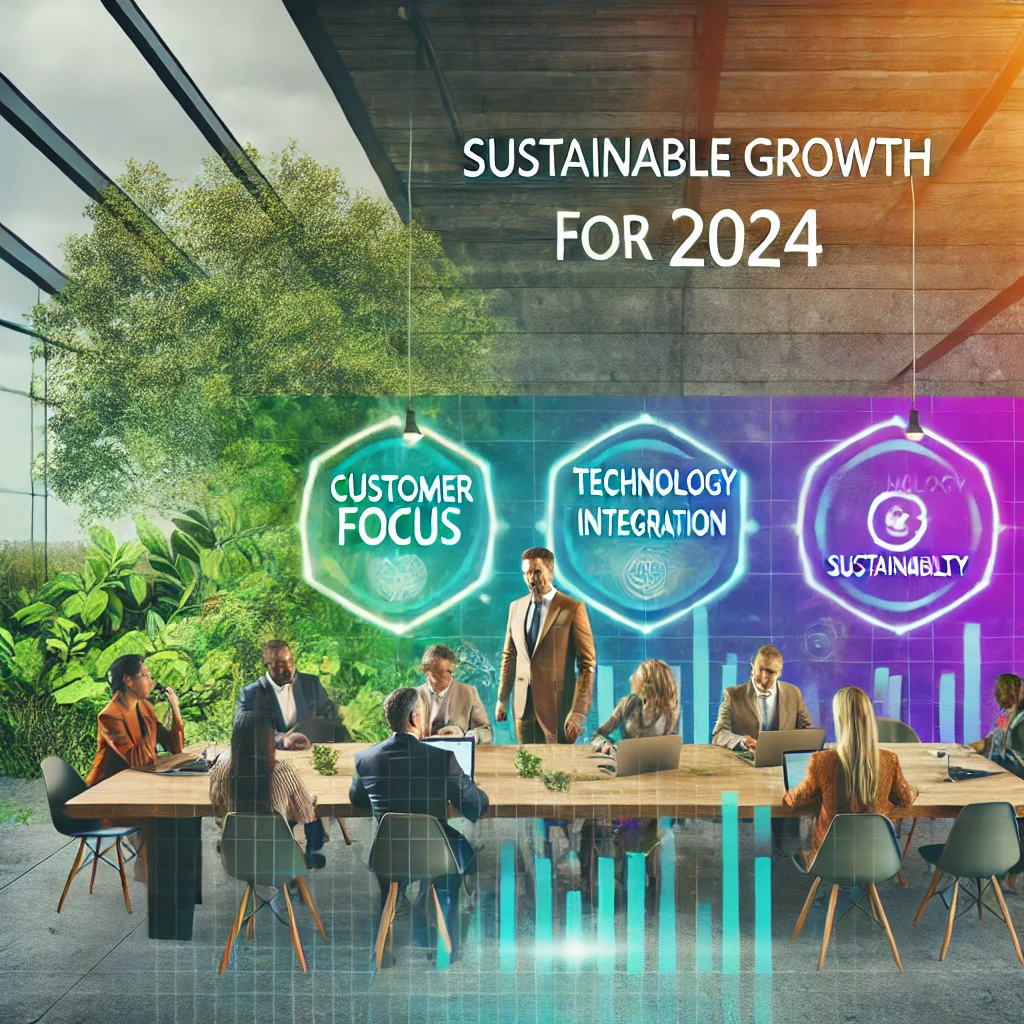
  • Top Business Strategies for Sustainable Growth in 2024

    Top Business Strategies for Sustainable Growth in 2024

    As we move further into 2024, businesses are under increasing pressure to adapt, innovate, and grow sustainably. For any business, growth is essential not just for survival but for thriving in an ever-evolving market. Here, we’ll dive into some of the best strategies that can help drive sustainable growth and ensure long-term success for your business.


    1. Focus on Customer-Centric Strategies

    In today’s competitive landscape, placing the customer at the center of your business strategy is crucial. A customer-centric approach ensures that every decision made considers the needs and desires of your target audience. Here’s how you can do it:

    • Personalized Marketing: Use data analytics to understand customer preferences and create tailored experiences.
    • Customer Feedback Loops: Actively seek feedback to identify areas for improvement.
    • Loyalty Programs: Implement rewards programs that encourage repeat business and foster customer loyalty.

    2. Leverage Technology for Operational Efficiency

    Technology continues to transform business operations. To remain competitive, businesses must adopt tools that streamline processes, reduce costs, and improve productivity.

    • Automate Routine Tasks: Automation tools can handle repetitive tasks, allowing teams to focus on higher-value work.
    • Utilize Data Analytics: Data-driven decision-making enables businesses to predict trends, understand customer behavior, and optimize operations.
    • Embrace Cloud Solutions: Cloud-based systems offer flexibility, security, and reduced IT costs, making them ideal for modern business needs.

    3. Invest in Employee Development

    Your employees are your most valuable asset. Investing in their growth and well-being is not only good for morale but also critical for long-term business success. Consider implementing:

    • Ongoing Training Programs: Encourage skill development to keep your team up-to-date with industry trends.
    • Clear Career Paths: Show employees a clear trajectory for growth within the company.
    • Flexible Work Environments: With the rise of remote work, providing flexibility can increase employee satisfaction and retention.

    4. Adopt Sustainable Practices

    Sustainability is no longer optional. Consumers today are increasingly aware of the environmental impact of the products they buy, and they want to support businesses that share their values.

    • Eco-Friendly Products: Offer products that use sustainable materials or adopt eco-friendly production methods.
    • Reduce Waste: Implement processes that minimize waste and promote recycling within your company.
    • Transparent Communication: Be open about your sustainability efforts. Transparency fosters trust and aligns with the values of today’s consumers.

    5. Implement Agile Business Models

    The business world is unpredictable, and companies must be agile to adapt to rapid changes. An agile model enables businesses to respond quickly to market shifts and seize new opportunities.

    • Short Planning Cycles: Instead of long-term rigid plans, use short planning cycles to quickly adapt strategies.
    • Flexible Teams: Create cross-functional teams that can pivot based on new objectives or challenges.
    • Embrace Innovation: Encourage creativity and innovation within your team to stay ahead of competitors.

    6. Enhance Your Digital Presence

    A strong digital presence is essential for attracting and retaining customers. Your website, social media, and online marketing strategies form the backbone of your digital footprint.

    • SEO Optimization: Ensure your website ranks well on search engines so that customers can find you easily.
    • Social Media Engagement: Consistent, engaging social media content helps build brand loyalty and keeps your audience connected.
    • Invest in Digital Ads: Paid ads on platforms like Google, Facebook, and LinkedIn can drive traffic and increase conversions.

    Conclusion

    Sustainable growth in 2024 is achievable by focusing on customer needs, leveraging technology, investing in your team, adopting sustainable practices, and maintaining agility. Implementing these strategies can position your business for long-term success, adaptability, and resilience in a fast-paced market.

    Stay committed to your goals, be open to change, and keep an eye on emerging trends to ensure your business remains a leader in its field.

  • April 28, 2024 – Advertise

    April 28, 2024 – Advertise

    [ad_1]

    The process of creating advertising is not as easy as it might look to the outside world. Creative ads are those which still get noticed despite challenges like vague briefs, whimsical approval system and such like. My weekly compilation of creative ads is a small tribute to agencies & brand teams. This week, views on current advertising trends and a collection of creative ads.

    The moment marketing bug

    The moment marketing trend is driven by FOMO, some inexplicable need to associate a brand (often in a tenuous manner) to a news event or cause in the hope that it will generate buzz in favour of the brand – building affinity or helping it gain stature.

    In that context, caught up on the reaction to the ‘Bombae’ ad, apparently in support of UP Board topper Prachi Nigam who got trolled for her looks. One of those ‘this ad is not about our brand‘ but is exactly that. How often to tell brands that not everything that’s happening in this world – is an opportunity for them to advertise?

    We hope you never get bullied into using our razor‘. Pretty convoluted way of promoting the brand in the guise of not promoting the brand, but batting for a cause. This will sound harsh to the copywriter who came up with the line (BTW, this was ‘approved’?) but this is not good brand thinking or writing. Maybe a lot of those who entered advertising in the recent years (last 5-7 years?) have only been exposed to ‘digital’ advertising (images & ideas for social media posts mainly, and the occasional web film or TV script) and not to the classic print or TV work from say 1990-2000s?

    Industry gurus also repeat stuff like ‘more than ever before consumers seek deep meaningful relationships with the brands they use‘ (really? I just want a product to work as advertised and if it makes me happy or proud using it, that’s a bonus) which leads to warped thinking on faux brand purpose and some random ‘social cause’ leading brand thinking. The rationale seems to be ‘let’s build affinity with the youth by associating our brand with a social cause‘. Yes, maybe the youngsters view brands which ‘do good’ in favourable light but they can see through fakery too or just lip service. And in such a scenario pegging everything on ‘you should prefer my brand because it believes in <insert cause of the day>’ will not make product anchored, benefit-driven advertising as the first, preferred approach. Sadly many business leaders and startup founders think that this is the way to go.

    VOOM Nutrition: power of plants

    It’s good fun when there’s a delicious twist in the tale – be it in a movie or an ad. A new ad for plant based food brand dramatises the impact of a mere plant in our lives. Great build and a hilarious climax.

    Agency: McCann Bristol

    Dutchie Yogurt: gut health

    A majority of ads everywhere are beyond mediocre. They are just ignored – a fate worse than being disliked. Maybe that’s the case with advertising in Thailand too. But going by what bubbles up as latest advertising on social media from there, they seem to have a far better strike rate at crafting compelling advertising. Unlike India, where an idea has to cut across several language and cultural differences, Thailand has the advantage of a single language across the country. A common thread in their advertising seems to be humour – and that too, over-the-top, zany humour. Also, ads poke fun at the tactics of advertising itself and hence have a self-deprecating tone. It’s a clever ploy to solve the branding issue – as we see in this hilarious ad for Dutchie Yogurt – where a character holding the pack is randomly inserted across situations.

    Agency: Ogilvy. See English subtitles here.

    Persil: Guess who won

    When I saw this new campaign from Persil (sold as Surf in India) I was reminded of two things: consistency of a brand property and the right use of exaggeration in advertising. It is said that advertising is ‘suspension of disbelief’ for a few seconds. No one takes it seriously if an ad shows a protagonist securing a job after using a shampoo. The second aspect is about consistently pursuing and taking forward a brand idea.

    The ‘dirt is good’ platform has the ability to shock you into paying attention (coming from a detergent brand) but also makes the reader ‘connect the dots’. I don’t one should take the scenarios portrayed below literally. Cricket fans would know that the representation is no guarantee of victory but it does drive forward the original message of encouraging us all to not let worry of soiling clothes prevent us from outdoor activity. As an aside – don’t you think such campaigns work because of the platform already set by the previous efforts?

    Agency: LOLA MullenLowe

    Coca-Cola: recycled logo – green washing?

    Is this creative thinking? Yes. One could say its bold. Who would maim their own logo (the only element in the ad) to risk not being recognised as to who the advertiser is? But Coca-Cola is among the rare brands who have distinct brand assets which are recognisable globally – even when as subtle as simply showing the outline of the bottle shape. A new campaign from the brand has put up billboards which show their logo crushed. The intent is to urge people to recycle the Coca-Cola cans. While being environment friendly and sustainability are critical issues which need extensive work, will just one billboard trigger a behavioural change in large numbers? Clearly, no. Also, a do-good message from a brand which contributes to a unhealthy lifestyle is a bit much. But that’s the magic of cola marketing – create endearing little campaigns which make the brand attractive – brighten the halo around it.

    Agency: WPP Open X


    MakeMyTrip: international trips

    I liked both the strategy and the creative expression for this new ad campaign for a travel aggregator, MakeMyTrip. In a cluttered market where real product or service differentiation is hard to come by chances of a brand getting into the consideration set are higher by resonating with a consumer need. In that context it is smart to slice the market and consider ‘first time international travellers’ and convey that the brand understands them. In India, there is a significant group who are considering (and can afford) an international trip but will have anxiety over travel arrangements, food and sight seeing. The ad doesn’t answer how the brand is uniquely placed to address those concerns as it lists some generic features but the build up is good fun.

    Streeteasy: odyssey

    Finding a real-estate property you like – either for rent or purchase can be an adventure, an epic saga. In a big city like New York it can be even more challenging. A new campaign for Streeteasy literally depicts it as an odyssey – remnant of art forms.

    Old world meets new world in the brand’s 2024 campaign, “Let The Journey Begin,” mixing Renaissance flair and classical art with the modernity of life in the city to reach would-be buyers no matter where they are in their journey

    Source

    Agency: Mother

    Mother Dairy: mother’s love

    It’s actually quite refreshing to see a feel-good ad which steers clear from a lofty brand purpose, ’cause advertising’ or solving a problem for millions of Indians. The brand name helps to claim ‘motherly love’ depicted by small acts of care which bring a smile.

    Agency: Ogilvy

    Heinz: helping reduce food waste

    Adding ketchup to unlikely food combinations – not just fries, is a thing. A heritage brand like Heinz can then lay claim to ‘helping reduce food waste since 1869’ since many avoid wasting food by finishing the last bits off with some Heinz ketchup.

    Agency: Fitzroy Amsterdam

    Times: Power of Print

    In association with the Election Commission of India, Times Power of Print – an initiative by Times of India to celebrate creativity in print mounted a contest for a voter awareness initiative. A team from Havas won the contest by creating a page – not just ad, printed in purple (instead of the usual pink) to ‘remind people of unused ink’.

    Agency: Havas

    Burger King: You’ll always be King

    Here’s a clever tactical idea anchored on the brand name. Sibling jealousy is common especially when the attention shifts from a elder child to a newborn. An Easter promo in UK capitalises on it through a TVC and outdoor.

    Which one was your favourite? Do comment in.

    [ad_2]

    Source link

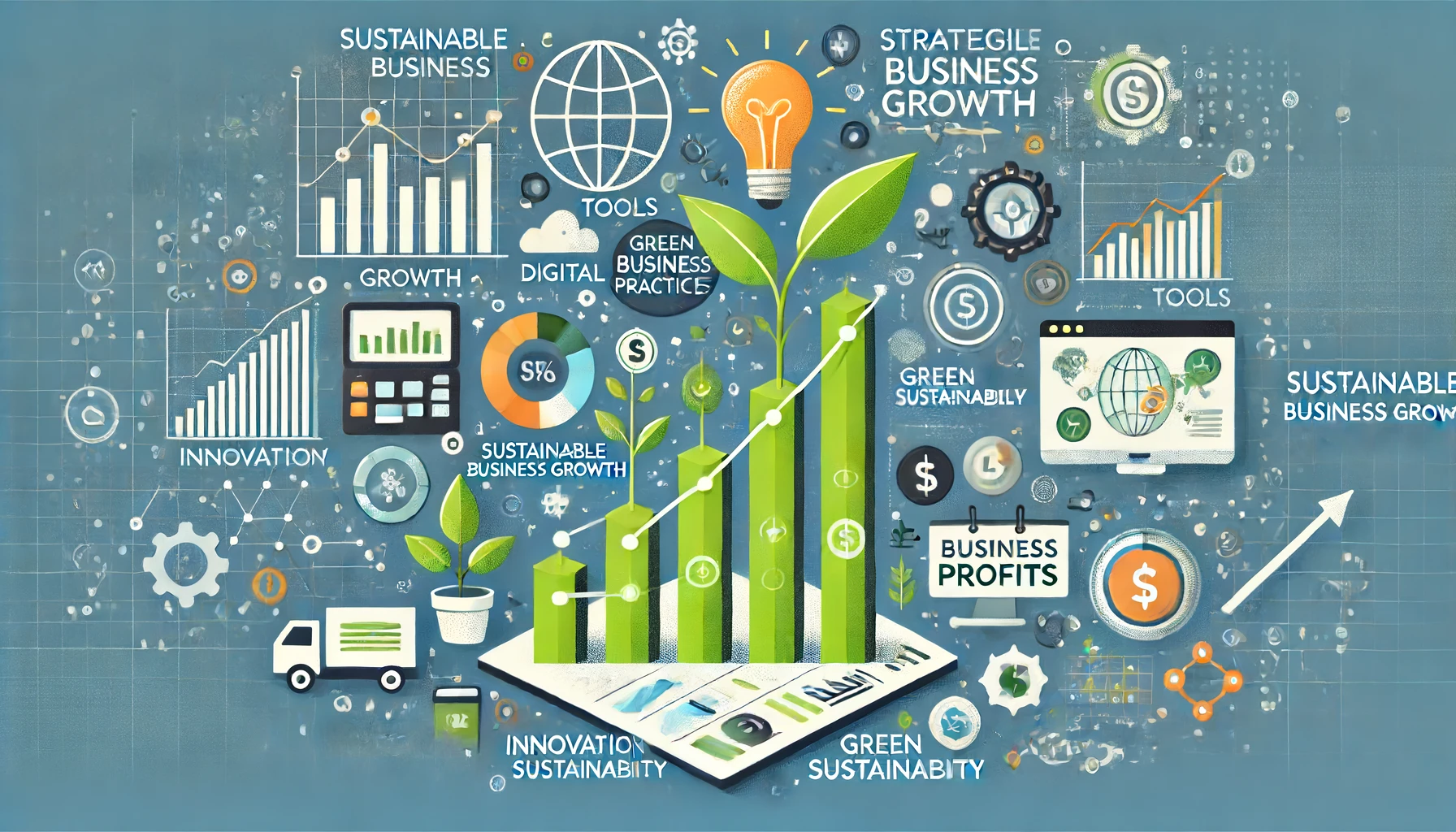
  • Maximizing Profits: Strategies for Sustainable Business Growth

    Maximizing Profits: Strategies for Sustainable Business Growth

    Achieving sustainable business growth while maximizing profits requires a strategic approach that balances short-term gains with long-term stability. In today’s competitive market, businesses must adopt innovative and effective strategies to ensure continued success and profitability. This guide explores key strategies to maximize profits and foster sustainable business growth.

    **1. **Focus on Customer Retention
    Importance of Customer Retention
    Retaining existing customers is more cost-effective than acquiring new ones. Loyal customers tend to make repeat purchases, refer others, and have a higher lifetime value.

    Statistics: Increasing customer retention by 5% can boost profits by 25% to 95%.
    Benefits: Reduced marketing costs, increased sales, and stronger customer relationships.
    Strategies for Retaining Customers
    Implementing strategies that enhance customer satisfaction and loyalty is crucial for retention.

    Tips: Offer personalized experiences, provide exceptional customer service, and create loyalty programs.
    Examples: Use CRM systems to track customer interactions and preferences for targeted marketing.
    **2. **Optimize Pricing Strategies
    Dynamic Pricing
    Dynamic pricing involves adjusting prices based on market demand, competition, and other factors. This strategy helps maximize revenue and remain competitive.

    Tools: Use pricing software like Price Intelligently and RepricerExpress for real-time price adjustments.
    Benefits: Increased sales, better market alignment, and optimized profit margins.
    Value-Based Pricing
    Value-based pricing sets prices based on the perceived value of a product or service to the customer rather than just costs. This approach can lead to higher profit margins and customer satisfaction.

    Tips: Conduct market research to understand customer willingness to pay and perceived value.
    Strategy: Use value-based pricing to differentiate your products and justify premium prices.
    **3. **Improve Operational Efficiency
    Streamline Processes
    Improving operational efficiency involves streamlining processes to reduce waste, lower costs, and increase productivity. Efficient operations lead to cost savings and higher profits.

    Tools: Use project management software like Asana and Trello to streamline workflows.
    Benefits: Reduced operational costs, faster turnaround times, and improved resource utilization.
    Adopt Lean Practices
    Lean practices focus on minimizing waste and maximizing value in business processes. Adopting lean principles can lead to significant cost savings and efficiency improvements.

    Examples: Implement lean manufacturing techniques and continuous improvement processes.
    Tips: Regularly review and optimize processes to eliminate inefficiencies.
    **4. **Expand Your Market Reach
    Diversify Your Product Line
    Expanding your product line allows you to reach new markets and increase revenue. Offering a diverse range of products or services can attract new customers and meet the evolving needs of existing ones.

    Tips: Conduct market research to identify new product opportunities and gaps.
    Strategy: Test new products on a small scale before a full launch to minimize risk.
    Enter New Markets
    Expanding into new geographic or demographic markets can significantly increase your customer base and revenue. Conduct thorough market research to identify opportunities and develop a market entry strategy.

    Examples: Use market segmentation to target specific regions or customer groups.
    Tips: Partner with local businesses to gain market insights and build relationships.
    **5. **Leverage Technology for Growth
    Implement Digital Tools
    Leveraging digital tools can enhance efficiency, improve customer experience, and drive growth. Tools like CRM systems, e-commerce platforms, and marketing automation can streamline operations and boost sales.

    Tools: Use CRM systems like Salesforce and HubSpot to manage customer relationships.
    Benefits: Increased efficiency, better customer targeting, and higher sales.
    Invest in E-Commerce
    Expanding your online presence through e-commerce can open up new revenue streams and reach a global audience. Ensure your e-commerce site is user-friendly and optimized for search engines.

    Platforms: Use e-commerce platforms like Shopify and WooCommerce to set up your online store.
    Tips: Optimize your website for mobile devices and use SEO best practices to attract organic traffic.
    **6. **Enhance Your Brand Value
    Build a Strong Brand Identity
    A strong brand identity differentiates your business from competitors and builds customer loyalty. Invest in branding efforts that communicate your unique value proposition and resonate with your target audience.

    Examples: Develop a consistent brand message, logo, and visual identity.
    Tips: Use storytelling to create an emotional connection with your audience.
    Promote Corporate Social Responsibility
    Corporate social responsibility (CSR) initiatives can enhance your brand reputation and appeal to socially conscious consumers. Engaging in ethical practices and supporting social causes can build customer trust and loyalty.

    Examples: Implement sustainable business practices and support community initiatives.
    Benefits: Improved brand image, increased customer loyalty, and positive social impact.
    **7. **Focus on Customer Experience
    Enhance Customer Support
    Providing exceptional customer support is crucial for building long-term relationships and increasing customer satisfaction. Use multiple channels to offer support and ensure quick resolution of customer issues.

    Tools: Use helpdesk software like Zendesk and Freshdesk to manage customer support.
    Tips: Train your staff to handle customer inquiries effectively and provide personalized service.
    Personalize the Customer Journey
    Personalizing the customer journey creates a more engaging and relevant experience, leading to higher customer satisfaction and loyalty. Use data to understand customer preferences and tailor your interactions accordingly.

    Examples: Offer personalized recommendations, targeted promotions, and customized communications.
    Benefits: Increased customer engagement, higher conversion rates, and improved retention.
    **8. **Adopt Sustainable Practices
    Implement Sustainable Operations
    Adopting sustainable business practices can lead to cost savings and attract environmentally conscious customers. Focus on reducing waste, conserving resources, and promoting sustainability in your operations.

    Tips: Use energy-efficient technologies and reduce waste through recycling and resource optimization.
    Benefits: Lower operational costs, enhanced brand reputation, and positive environmental impact.
    Promote Sustainable Products
    Offering sustainable products can differentiate your business and appeal to eco-conscious consumers. Highlight the environmental benefits of your products to attract and retain customers.

    Examples: Use eco-friendly materials, promote product recycling, and reduce packaging waste.
    Strategy: Communicate your sustainability efforts through marketing and branding initiatives.
    **9. **Invest in Employee Development
    Provide Training and Development
    Investing in employee training and development enhances skills, improves productivity, and increases job satisfaction. A well-trained workforce is crucial for driving business growth and innovation.

    Examples: Offer professional development programs, workshops, and online courses.
    Benefits: Improved employee performance, higher retention rates, and a more innovative workforce.
    Foster a Positive Work Culture
    A positive work culture promotes employee engagement, motivation, and productivity. Create an environment that values collaboration, innovation, and work-life balance.

    Tips: Encourage open communication, provide recognition and rewards, and support work-life balance.
    Strategy: Regularly assess and improve workplace culture through employee feedback and surveys.
    **10. **Monitor and Adapt to Market Trends
    Stay Informed on Industry Trends
    Keeping up with industry trends and market changes is crucial for maintaining competitiveness and identifying new opportunities. Regularly monitor market developments and adjust your strategies accordingly.

    Tools: Use market research tools like IBISWorld and Statista to stay informed on industry trends.
    Tips: Attend industry conferences, subscribe to trade publications, and network with industry peers.
    Adapt to Changing Market Conditions
    Being adaptable allows your business to respond effectively to changes in market conditions and customer preferences. Flexibility is key to maintaining growth and profitability in a dynamic market environment.

    Examples: Adjust pricing strategies, diversify product offerings, and explore new markets.
    Benefits: Increased resilience, improved market positioning, and sustainable business growth.
    Conclusion
    Maximizing profits and achieving sustainable business growth requires a strategic approach that focuses on customer retention, operational efficiency, and innovation. By implementing these strategies, you can ensure long-term success and profitability for your business. Start applying these tactics today to drive growth and maximize your profits.

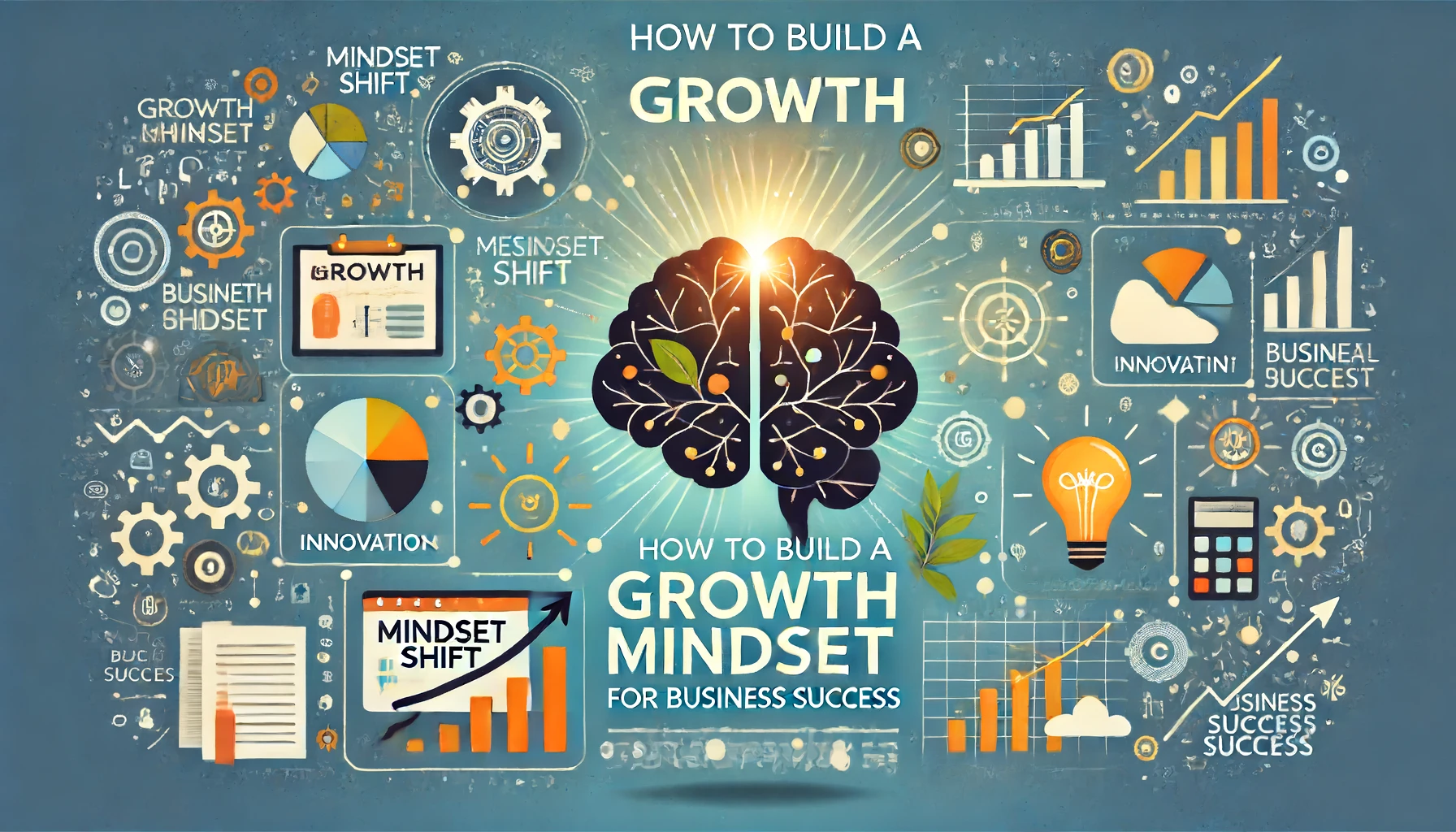
  • How to Build a Growth Mindset for Business Success

    How to Build a Growth Mindset for Business Success

    Developing a growth mindset is essential for achieving business success. A growth mindset fosters resilience, creativity, and a positive approach to challenges, allowing individuals and organizations to adapt and thrive in an ever-changing business environment. Here’s a comprehensive guide on how to build a growth mindset for business success.

    **1. **Understand the Concept of a Growth Mindset
    Definition of a Growth Mindset
    A growth mindset, a term popularized by psychologist Carol Dweck, refers to the belief that abilities and intelligence can be developed through dedication and hard work. It contrasts with a fixed mindset, where individuals believe their talents and intelligence are static traits.

    Benefits: Promotes lifelong learning, resilience, and a positive attitude towards challenges.
    Impact: Encourages continuous improvement and adaptability in the business world.
    Growth vs. Fixed Mindset
    Understanding the differences between a growth mindset and a fixed mindset is crucial for fostering a positive outlook in business.

    Growth Mindset: Embraces challenges, persists in the face of setbacks, and views effort as the path to mastery.
    Fixed Mindset: Avoids challenges, gives up easily, and sees effort as fruitless.
    **2. **Adopt a Learning-Oriented Attitude
    Embrace Continuous Learning
    Incorporating a commitment to lifelong learning is essential for personal and professional growth. Stay curious and open to new information, skills, and experiences.

    Tips: Read books, attend workshops, and seek mentorship opportunities.
    Benefits: Keeps you updated with industry trends and enhances your problem-solving skills.
    Seek Feedback and Act on It
    Regularly seek feedback from colleagues, mentors, and clients to gain insights into your strengths and areas for improvement. Constructive feedback is invaluable for personal development and business success.

    Strategy: Create a feedback-friendly environment where open communication is encouraged.
    Tips: Use feedback to identify growth opportunities and set actionable goals.
    **3. **Set Challenging Goals
    Define SMART Goals
    Setting Specific, Measurable, Achievable, Relevant, and Time-bound (SMART) goals helps you focus on your growth objectives and track your progress.

    Examples: Increase sales by 20% in the next quarter, expand into two new markets by the end of the year.
    Benefits: Provides clear direction and motivation for achieving business success.
    Break Down Big Goals into Smaller Steps
    Breaking down larger goals into smaller, manageable tasks makes them less daunting and more achievable. This approach helps maintain momentum and ensures steady progress.

    Tips: Create a step-by-step action plan for each goal.
    Benefits: Reduces overwhelm and increases the likelihood of success.
    **4. **Cultivate a Positive Attitude Toward Challenges
    View Challenges as Opportunities
    Shift your perspective to see challenges as opportunities for growth and learning rather than obstacles. This mindset helps you approach difficulties with optimism and creativity.

    Examples: View a difficult project as a chance to develop new skills or improve existing ones.
    Benefits: Enhances problem-solving abilities and resilience.
    Learn from Failures
    Embrace failures as valuable learning experiences that provide insights and drive improvement. Analyze what went wrong and use this knowledge to avoid similar mistakes in the future.

    Strategy: Conduct post-mortem reviews of failed projects to identify lessons learned.
    Tips: Celebrate your efforts and resilience, not just the successes.
    **5. **Surround Yourself with a Supportive Network
    Build a Positive Network
    Surround yourself with people who inspire and motivate you. A supportive network provides encouragement, advice, and diverse perspectives that can enhance your growth mindset.

    Examples: Join professional associations, attend networking events, and seek out like-minded individuals.
    Benefits: Provides a source of motivation, support, and opportunities for collaboration.
    Learn from Role Models and Mentors
    Identify role models and mentors who exemplify a growth mindset and can guide you on your journey. Learning from their experiences and insights can accelerate your personal and professional development.

    Tips: Reach out to potential mentors and build relationships based on mutual respect and learning.
    Strategy: Follow industry leaders and thought influencers for inspiration and guidance.
    **6. **Embrace Innovation and Creativity
    Foster a Culture of Innovation
    Encourage innovative thinking within your organization by promoting a culture that values creativity and experimentation. This approach can lead to new ideas, products, and solutions that drive business growth.

    Tips: Provide resources and support for employees to explore new ideas.
    Examples: Organize brainstorming sessions, innovation workshops, and hackathons.
    Encourage Risk-Taking
    A growth mindset involves being willing to take risks and step out of your comfort zone. Encourage calculated risk-taking to explore new opportunities and push boundaries.

    Strategy: Develop a risk management plan to evaluate and mitigate potential risks.
    Benefits: Drives innovation and opens up new avenues for business growth.
    **7. **Develop Resilience and Adaptability
    Build Resilience
    Resilience is the ability to bounce back from setbacks and persist in the face of challenges. Developing resilience is crucial for maintaining a growth mindset and achieving long-term business success.

    Tips: Practice mindfulness, maintain a positive outlook, and focus on solutions rather than problems.
    Benefits: Enhances your ability to cope with stress and adversity.
    Adapt to Change
    Being adaptable allows you to respond effectively to changing circumstances and seize new opportunities. Embrace change as a natural part of growth and remain flexible in your approach.

    Examples: Stay open to new technologies, market trends, and business models.
    Strategy: Continuously assess and adjust your strategies to align with evolving business landscapes.
    **8. **Focus on Personal and Professional Growth
    Invest in Personal Development
    Continuously invest in your personal development to enhance your skills, knowledge, and mindset. Personal growth is integral to developing a growth mindset and achieving business success.

    Examples: Take online courses, read industry-related books, and attend seminars.
    Tips: Set aside dedicated time for personal development activities.
    Commit to Professional Development
    Professional development involves acquiring new skills and knowledge that enhance your career prospects and contribute to your business’s growth.

    Tools: Use professional development programs, certification courses, and industry conferences.
    Benefits: Keeps you competitive and relevant in your field.
    Conclusion
    Building a growth mindset is essential for business success in today’s dynamic environment. By embracing continuous learning, setting challenging goals, fostering innovation, and cultivating resilience, you can develop a mindset that drives growth and positions you for long-term success. Start implementing these strategies today to build a growth mindset and achieve your business objectives.

  • The Role of Technology in Accelerating Business Growth

    The Role of Technology in Accelerating Business Growth

    In the modern business landscape, technology plays a pivotal role in driving growth and innovation. From automating routine tasks to providing data-driven insights, technology offers a plethora of tools and solutions that can help businesses scale and succeed. Here’s a detailed look at how technology is accelerating business growth and why it’s crucial for businesses to leverage these advancements in 2024 and beyond.

    **1. **Enhanced Efficiency and Productivity
    Automation of Routine Tasks
    One of the most significant impacts of technology on business growth is the automation of routine tasks. Automation tools can handle repetitive tasks such as data entry, inventory management, and customer service, freeing up valuable time for employees to focus on more strategic activities.

    Examples: CRM systems, accounting software, and chatbots.
    Benefits: Increased efficiency, reduced human error, and more time for innovation and growth.
    Streamlined Operations
    Technology streamlines business operations by integrating various functions such as sales, marketing, and customer service into a unified platform. This integration allows for better communication, coordination, and efficiency across departments.

    Tools: Use integrated software solutions like ERP systems and project management tools.
    Tips: Choose platforms that offer scalability and customization to meet your business needs.
    **2. **Improved Decision Making with Data Analytics
    Data-Driven Insights
    Data analytics tools provide valuable insights into customer behavior, market trends, and operational performance. By analyzing this data, businesses can make informed decisions that drive growth and improve efficiency.

    Tools: Use data analytics platforms like Google Analytics, Tableau, and Power BI.
    Benefits: Better understanding of customer needs, improved marketing strategies, and enhanced business performance.
    Predictive Analytics
    Predictive analytics uses historical data and machine learning algorithms to forecast future trends and outcomes. This capability allows businesses to anticipate market changes, optimize pricing strategies, and identify new growth opportunities.

    Examples: Predictive modeling for sales forecasts and customer churn analysis.
    Tips: Implement predictive analytics to stay ahead of market trends and make proactive business decisions.
    **3. **Enhanced Customer Experience
    Personalized Marketing
    Technology enables businesses to deliver personalized marketing messages that resonate with individual customers. By leveraging customer data, businesses can create targeted campaigns that address specific needs and preferences.

    Examples: Personalized email campaigns, targeted social media ads, and customized product recommendations.
    Benefits: Increased customer engagement, higher conversion rates, and improved customer loyalty.
    Improved Customer Support
    Technology enhances customer support by providing multiple channels for communication and quick resolution of issues. Tools like chatbots, helpdesk software, and customer relationship management (CRM) systems ensure that customers receive timely and effective support.

    Tools: Use CRM systems like Salesforce and Zendesk for comprehensive customer support.
    Tips: Implement chatbots to provide 24/7 support and handle common customer inquiries.
    **4. **Expanding Market Reach
    E-Commerce and Online Presence
    Technology has made it easier for businesses to reach a global audience through e-commerce platforms and online marketing. By establishing a robust online presence, businesses can attract new customers and expand their market reach.

    Examples: E-commerce platforms like Shopify, Amazon, and WooCommerce.
    Tips: Optimize your website for search engines and use digital marketing strategies to drive traffic and sales.
    Social Media Marketing
    Social media platforms offer powerful tools for reaching and engaging with a broad audience. Businesses can use social media to promote their products, connect with customers, and build brand awareness.

    Platforms: Use Facebook, Instagram, LinkedIn, and Twitter for targeted marketing campaigns.
    Benefits: Increased brand visibility, enhanced customer engagement, and access to new markets.
    **5. **Fostering Innovation and Creativity
    Collaboration Tools
    Technology facilitates collaboration by providing tools that enable teams to work together efficiently, regardless of their location. Collaboration tools like video conferencing, project management software, and cloud-based platforms allow teams to share ideas, collaborate on projects, and innovate.

    Tools: Use collaboration platforms like Slack, Zoom, and Microsoft Teams.
    Tips: Encourage regular brainstorming sessions and cross-departmental collaboration to foster innovation.
    Access to New Technologies
    Businesses that embrace new technologies can stay ahead of the competition and drive growth. Technologies like artificial intelligence, machine learning, and blockchain offer new opportunities for innovation and business transformation.

    Examples: AI-powered chatbots, machine learning algorithms for predictive analytics, and blockchain for secure transactions.
    Benefits: Enhanced product offerings, improved operational efficiency, and new revenue streams.
    **6. **Cost Reduction and Scalability
    Cloud Computing
    Cloud computing allows businesses to access and store data and applications over the internet, reducing the need for physical infrastructure and maintenance. This flexibility enables businesses to scale their operations quickly and cost-effectively.

    Platforms: Use cloud services like AWS, Google Cloud, and Microsoft Azure.
    Benefits: Reduced IT costs, increased scalability, and enhanced data security.
    Outsourcing and Remote Work
    Technology enables businesses to outsource non-core functions and embrace remote work, reducing overhead costs and increasing flexibility. Outsourcing tasks like IT support, customer service, and digital marketing can help businesses focus on their core competencies.

    Tips: Use remote work tools and platforms like Upwork, Fiverr, and Toptal for outsourcing.
    Benefits: Lower operational costs, access to a global talent pool, and improved business agility.
    **7. **Enhanced Security and Compliance
    Cybersecurity Solutions
    As businesses increasingly rely on technology, ensuring data security and compliance is crucial. Cybersecurity solutions protect sensitive information from threats like data breaches, hacking, and malware.

    Tools: Use cybersecurity tools like antivirus software, firewalls, and encryption.
    Tips: Regularly update your security protocols and conduct security audits to protect your data.
    Compliance Management
    Technology helps businesses comply with industry regulations and standards by providing tools for monitoring, reporting, and documentation. Compliance management systems ensure that businesses meet legal requirements and avoid penalties.

    Examples: GDPR compliance tools, financial reporting software, and regulatory compliance management systems.
    Benefits: Reduced risk of non-compliance, improved data protection, and enhanced business reputation.
    **8. **Sustainable and Eco-Friendly Practices
    Energy-Efficient Technologies
    Technology can help businesses reduce their environmental impact by adopting energy-efficient practices. Tools like smart lighting, energy management systems, and eco-friendly technologies reduce energy consumption and promote sustainability.

    Examples: LED lighting, energy-efficient HVAC systems, and renewable energy solutions.
    Benefits: Lower energy costs, reduced carbon footprint, and enhanced corporate social responsibility.
    Sustainable Supply Chain
    Technology enables businesses to create more sustainable supply chains by providing tools for tracking and optimizing resource usage. Sustainable supply chain practices help businesses reduce waste, improve efficiency, and promote environmental responsibility.

    Tools: Use supply chain management software and IoT sensors for real-time monitoring.
    Tips: Implement sustainable sourcing practices and reduce waste in your supply chain.
    Conclusion
    Technology plays a crucial role in accelerating business growth by enhancing efficiency, improving decision-making, expanding market reach, and fostering innovation. By leveraging the latest technological advancements, businesses can stay competitive, drive growth, and create a sustainable future. Embrace technology today to unlock new opportunities and achieve long-term success.

  • The Ultimate Guide to Scaling Your Business in 2024

    The Ultimate Guide to Scaling Your Business in 2024

    Scaling your business in 2024 requires a strategic approach that leverages the latest technology, innovative practices, and a keen understanding of market dynamics. As the business landscape continues to evolve, it’s crucial to stay ahead of the curve and adopt strategies that promote sustainable growth. Here’s the ultimate guide to scaling your business effectively in 2024.

    **1. **Understand Your Market and Customers
    Conduct Market Research
    Deep market research helps you understand your target audience, identify market trends, and assess the competitive landscape. This knowledge is crucial for making informed decisions and tailoring your products or services to meet customer needs.

    Tools: Use tools like Google Trends, SEMrush, and Statista for comprehensive market analysis.
    Tips: Gather data on customer preferences, market demand, and emerging trends to guide your business strategy.
    Segment Your Audience
    Segmenting your audience allows you to tailor your marketing efforts and products to different customer groups. This targeted approach can lead to higher customer satisfaction and increased sales.

    Examples: Divide your audience based on demographics, buying behavior, and interests.
    Benefits: Improves customer targeting and personalization.
    **2. **Leverage Technology for Efficiency
    Invest in Automation
    Automation tools can streamline your operations, reduce costs, and free up time for strategic planning. From marketing automation to customer service chatbots, leveraging technology can significantly enhance efficiency.

    Tools: Use CRM systems like Salesforce, email marketing tools like Mailchimp, and automation platforms like Zapier.
    Benefits: Increased efficiency, reduced human error, and improved customer experience.
    Adopt Cloud Computing
    Cloud computing enables scalable and flexible business operations, allowing you to access resources and data from anywhere. This is particularly useful for businesses looking to expand without significant upfront investment.

    Examples: Use cloud-based solutions like AWS, Google Cloud, and Microsoft Azure for storage and computing needs.
    Tips: Ensure robust cybersecurity measures to protect sensitive data.
    **3. **Enhance Your Digital Presence
    Optimize Your Website
    A well-optimized website is essential for attracting and converting customers. Focus on improving user experience, loading speed, and mobile compatibility to ensure your site meets the needs of today’s digital-savvy consumers.

    Tips: Use SEO best practices, optimize for mobile devices, and ensure fast load times.
    Tools: Use Google Analytics and Google Search Console to monitor and improve website performance.
    Utilize Social Media
    Social media platforms offer powerful tools for reaching and engaging with your audience. Develop a social media strategy that includes regular content updates, engagement with followers, and targeted advertising.

    Platforms: Leverage platforms like Facebook, Instagram, LinkedIn, and Twitter to build your brand.
    Tips: Use social media analytics tools to track performance and refine your strategy.
    **4. **Develop a Scalable Business Model
    Implement Scalable Processes
    Developing scalable processes ensures that your business can grow without being hindered by operational inefficiencies. Focus on creating standardized procedures that can be easily replicated and expanded as your business grows.

    Examples: Implementing standardized customer service protocols and automating order fulfillment processes.
    Benefits: Facilitates growth and maintains quality control.
    Expand Your Product Line
    Introducing new products or services can help you reach new markets and increase revenue. Ensure that your new offerings align with your brand and meet the needs of your target audience.

    Tips: Conduct market research to identify gaps and opportunities.
    Strategy: Test new products on a small scale before a full launch.
    **5. **Strengthen Your Team and Leadership
    Hire the Right Talent
    Building a strong team is essential for scaling your business. Hire employees who have the skills and experience to drive growth and contribute to your company’s success.

    Tips: Focus on hiring for cultural fit and potential, not just experience.
    Strategy: Invest in employee training and development to build a skilled and motivated workforce.
    Develop Leadership Skills
    Effective leadership is crucial for guiding your business through the scaling process. Focus on developing leadership skills that promote innovation, collaboration, and strategic thinking.

    Tips: Invest in leadership training programs and seek mentorship opportunities.
    Examples: Encourage a culture of continuous learning and improvement.
    **6. **Expand Your Market Reach
    Enter New Markets
    Expanding into new markets can significantly increase your customer base and revenue. Conduct thorough market research to identify promising opportunities and develop a strategy for entering these markets.

    Tips: Start with markets that have similar demographics and demand as your existing ones.
    Strategy: Use market entry strategies like partnerships, joint ventures, and acquisitions.
    Use E-Commerce Platforms
    E-commerce platforms provide a cost-effective way to reach a global audience and sell your products or services online. Ensure your e-commerce site is user-friendly and optimized for search engines.

    Platforms: Use platforms like Shopify, WooCommerce, and Amazon to expand your online presence.
    Tips: Optimize your e-commerce site for mobile users and provide multiple payment options.
    **7. **Invest in Marketing and Brand Building
    Develop a Strong Brand Identity
    A strong brand identity helps differentiate your business from competitors and builds customer loyalty. Focus on creating a consistent brand message that resonates with your target audience.

    Tips: Invest in professional branding, including logo design, website, and marketing materials.
    Strategy: Use storytelling to connect with your audience and build emotional connections.
    Implement Data-Driven Marketing
    Data-driven marketing allows you to make informed decisions based on customer behavior and preferences. Use analytics tools to track the performance of your marketing campaigns and adjust your strategy accordingly.

    Tools: Use tools like Google Analytics, HubSpot, and Kissmetrics for data analysis.
    Tips: Continuously monitor and optimize your marketing efforts for better results.
    **8. **Focus on Customer Experience
    Enhance Customer Support
    Providing excellent customer support is key to building long-term relationships and retaining customers. Implement multiple support channels, including live chat, email, and phone support.

    Tips: Use CRM systems to manage customer interactions and track support requests.
    Benefits: Increases customer satisfaction and loyalty.
    Personalize the Customer Journey
    Personalizing the customer journey helps create a more engaging and relevant experience. Use data to understand customer preferences and tailor your interactions accordingly.

    Examples: Use personalized email marketing and targeted product recommendations.
    Tips: Implement personalization tools and techniques to improve the customer experience.
    **9. **Monitor and Manage Finances
    Implement Financial Controls
    Strong financial controls are essential for managing your business’s growth and ensuring financial stability. Implement processes for budgeting, forecasting, and financial reporting.

    Tips: Use accounting software to track expenses and manage cash flow.
    Strategy: Regularly review financial statements and make adjustments as needed.
    Seek Funding and Investment
    Scaling a business often requires additional capital. Explore funding options such as loans, grants, and venture capital to support your growth plans.

    Tips: Prepare a detailed business plan and financial projections to attract investors.
    Examples: Consider crowdfunding platforms and angel investors for funding.
    **10. **Embrace Sustainability and Social Responsibility
    Adopt Sustainable Practices
    Adopting sustainable business practices can enhance your brand reputation and attract environmentally conscious customers. Focus on reducing waste, conserving resources, and promoting sustainable products.

    Tips: Implement energy-efficient technologies and reduce your carbon footprint.
    Strategy: Communicate your sustainability efforts to customers and stakeholders.
    Engage in Corporate Social Responsibility
    Engaging in corporate social responsibility (CSR) activities helps build trust and strengthen your relationship with the community. Support initiatives that align with your values and contribute to social good.

    Examples: Partner with non-profits, sponsor community events, and support charitable causes.
    Benefits: Enhances your brand image and creates a positive impact on society.
    Conclusion
    Scaling your business in 2024 requires a comprehensive approach that includes understanding your market, leveraging technology, enhancing your digital presence, and developing a scalable business model. By focusing on these key areas, you can achieve sustainable growth and ensure long-term success. Start implementing these strategies today to take your business to new heights.

  • April 28, 2024 – Advertise

    April 28, 2024 – Advertise

    [ad_1]

    The process of creating advertising is not as easy as it might look to the outside world. Creative ads are those which still get noticed despite challenges like vague briefs, whimsical approval system and such like. My weekly compilation of creative ads is a small tribute to agencies & brand teams. This week, views on current advertising trends and a collection of creative ads.

    The moment marketing bug

    The moment marketing trend is driven by FOMO, some inexplicable need to associate a brand (often in a tenuous manner) to a news event or cause in the hope that it will generate buzz in favour of the brand – building affinity or helping it gain stature.

    In that context, caught up on the reaction to the ‘Bombae’ ad, apparently in support of UP Board topper Prachi Nigam who got trolled for her looks. One of those ‘this ad is not about our brand‘ but is exactly that. How often to tell brands that not everything that’s happening in this world – is an opportunity for them to advertise?

    We hope you never get bullied into using our razor‘. Pretty convoluted way of promoting the brand in the guise of not promoting the brand, but batting for a cause. This will sound harsh to the copywriter who came up with the line (BTW, this was ‘approved’?) but this is not good brand thinking or writing. Maybe a lot of those who entered advertising in the recent years (last 5-7 years?) have only been exposed to ‘digital’ advertising (images & ideas for social media posts mainly, and the occasional web film or TV script) and not to the classic print or TV work from say 1990-2000s?

    Industry gurus also repeat stuff like ‘more than ever before consumers seek deep meaningful relationships with the brands they use‘ (really? I just want a product to work as advertised and if it makes me happy or proud using it, that’s a bonus) which leads to warped thinking on faux brand purpose and some random ‘social cause’ leading brand thinking. The rationale seems to be ‘let’s build affinity with the youth by associating our brand with a social cause‘. Yes, maybe the youngsters view brands which ‘do good’ in favourable light but they can see through fakery too or just lip service. And in such a scenario pegging everything on ‘you should prefer my brand because it believes in <insert cause of the day>’ will not make product anchored, benefit-driven advertising as the first, preferred approach. Sadly many business leaders and startup founders think that this is the way to go.

    VOOM Nutrition: power of plants

    It’s good fun when there’s a delicious twist in the tale – be it in a movie or an ad. A new ad for plant based food brand dramatises the impact of a mere plant in our lives. Great build and a hilarious climax.

    Agency: McCann Bristol

    Dutchie Yogurt: gut health

    A majority of ads everywhere are beyond mediocre. They are just ignored – a fate worse than being disliked. Maybe that’s the case with advertising in Thailand too. But going by what bubbles up as latest advertising on social media from there, they seem to have a far better strike rate at crafting compelling advertising. Unlike India, where an idea has to cut across several language and cultural differences, Thailand has the advantage of a single language across the country. A common thread in their advertising seems to be humour – and that too, over-the-top, zany humour. Also, ads poke fun at the tactics of advertising itself and hence have a self-deprecating tone. It’s a clever ploy to solve the branding issue – as we see in this hilarious ad for Dutchie Yogurt – where a character holding the pack is randomly inserted across situations.

    Agency: Ogilvy. See English subtitles here.

    Persil: Guess who won

    When I saw this new campaign from Persil (sold as Surf in India) I was reminded of two things: consistency of a brand property and the right use of exaggeration in advertising. It is said that advertising is ‘suspension of disbelief’ for a few seconds. No one takes it seriously if an ad shows a protagonist securing a job after using a shampoo. The second aspect is about consistently pursuing and taking forward a brand idea.

    The ‘dirt is good’ platform has the ability to shock you into paying attention (coming from a detergent brand) but also makes the reader ‘connect the dots’. I don’t one should take the scenarios portrayed below literally. Cricket fans would know that the representation is no guarantee of victory but it does drive forward the original message of encouraging us all to not let worry of soiling clothes prevent us from outdoor activity. As an aside – don’t you think such campaigns work because of the platform already set by the previous efforts?

    Agency: LOLA MullenLowe

    Coca-Cola: recycled logo – green washing?

    Is this creative thinking? Yes. One could say its bold. Who would maim their own logo (the only element in the ad) to risk not being recognised as to who the advertiser is? But Coca-Cola is among the rare brands who have distinct brand assets which are recognisable globally – even when as subtle as simply showing the outline of the bottle shape. A new campaign from the brand has put up billboards which show their logo crushed. The intent is to urge people to recycle the Coca-Cola cans. While being environment friendly and sustainability are critical issues which need extensive work, will just one billboard trigger a behavioural change in large numbers? Clearly, no. Also, a do-good message from a brand which contributes to a unhealthy lifestyle is a bit much. But that’s the magic of cola marketing – create endearing little campaigns which make the brand attractive – brighten the halo around it.

    Agency: WPP Open X


    MakeMyTrip: international trips

    I liked both the strategy and the creative expression for this new ad campaign for a travel aggregator, MakeMyTrip. In a cluttered market where real product or service differentiation is hard to come by chances of a brand getting into the consideration set are higher by resonating with a consumer need. In that context it is smart to slice the market and consider ‘first time international travellers’ and convey that the brand understands them. In India, there is a significant group who are considering (and can afford) an international trip but will have anxiety over travel arrangements, food and sight seeing. The ad doesn’t answer how the brand is uniquely placed to address those concerns as it lists some generic features but the build up is good fun.

    Streeteasy: odyssey

    Finding a real-estate property you like – either for rent or purchase can be an adventure, an epic saga. In a big city like New York it can be even more challenging. A new campaign for Streeteasy literally depicts it as an odyssey – remnant of art forms.

    Old world meets new world in the brand’s 2024 campaign, “Let The Journey Begin,” mixing Renaissance flair and classical art with the modernity of life in the city to reach would-be buyers no matter where they are in their journey

    Source

    Agency: Mother

    Mother Dairy: mother’s love

    It’s actually quite refreshing to see a feel-good ad which steers clear from a lofty brand purpose, ’cause advertising’ or solving a problem for millions of Indians. The brand name helps to claim ‘motherly love’ depicted by small acts of care which bring a smile.

    Agency: Ogilvy

    Heinz: helping reduce food waste

    Adding ketchup to unlikely food combinations – not just fries, is a thing. A heritage brand like Heinz can then lay claim to ‘helping reduce food waste since 1869’ since many avoid wasting food by finishing the last bits off with some Heinz ketchup.

    Agency: Fitzroy Amsterdam

    Times: Power of Print

    In association with the Election Commission of India, Times Power of Print – an initiative by Times of India to celebrate creativity in print mounted a contest for a voter awareness initiative. A team from Havas won the contest by creating a page – not just ad, printed in purple (instead of the usual pink) to ‘remind people of unused ink’.

    Agency: Havas

    Burger King: You’ll always be King

    Here’s a clever tactical idea anchored on the brand name. Sibling jealousy is common especially when the attention shifts from a elder child to a newborn. An Easter promo in UK capitalises on it through a TVC and outdoor.

    Which one was your favourite? Do comment in.

    [ad_2]

    Source link

  • April 28, 2024 – Advertise

    April 28, 2024 – Advertise

    [ad_1]

    The process of creating advertising is not as easy as it might look to the outside world. Creative ads are those which still get noticed despite challenges like vague briefs, whimsical approval system and such like. My weekly compilation of creative ads is a small tribute to agencies & brand teams. This week, views on current advertising trends and a collection of creative ads.

    The moment marketing bug

    The moment marketing trend is driven by FOMO, some inexplicable need to associate a brand (often in a tenuous manner) to a news event or cause in the hope that it will generate buzz in favour of the brand – building affinity or helping it gain stature.

    In that context, caught up on the reaction to the ‘Bombae’ ad, apparently in support of UP Board topper Prachi Nigam who got trolled for her looks. One of those ‘this ad is not about our brand‘ but is exactly that. How often to tell brands that not everything that’s happening in this world – is an opportunity for them to advertise?

    We hope you never get bullied into using our razor‘. Pretty convoluted way of promoting the brand in the guise of not promoting the brand, but batting for a cause. This will sound harsh to the copywriter who came up with the line (BTW, this was ‘approved’?) but this is not good brand thinking or writing. Maybe a lot of those who entered advertising in the recent years (last 5-7 years?) have only been exposed to ‘digital’ advertising (images & ideas for social media posts mainly, and the occasional web film or TV script) and not to the classic print or TV work from say 1990-2000s?

    Industry gurus also repeat stuff like ‘more than ever before consumers seek deep meaningful relationships with the brands they use‘ (really? I just want a product to work as advertised and if it makes me happy or proud using it, that’s a bonus) which leads to warped thinking on faux brand purpose and some random ‘social cause’ leading brand thinking. The rationale seems to be ‘let’s build affinity with the youth by associating our brand with a social cause‘. Yes, maybe the youngsters view brands which ‘do good’ in favourable light but they can see through fakery too or just lip service. And in such a scenario pegging everything on ‘you should prefer my brand because it believes in <insert cause of the day>’ will not make product anchored, benefit-driven advertising as the first, preferred approach. Sadly many business leaders and startup founders think that this is the way to go.

    VOOM Nutrition: power of plants

    It’s good fun when there’s a delicious twist in the tale – be it in a movie or an ad. A new ad for plant based food brand dramatises the impact of a mere plant in our lives. Great build and a hilarious climax.

    Agency: McCann Bristol

    Dutchie Yogurt: gut health

    A majority of ads everywhere are beyond mediocre. They are just ignored – a fate worse than being disliked. Maybe that’s the case with advertising in Thailand too. But going by what bubbles up as latest advertising on social media from there, they seem to have a far better strike rate at crafting compelling advertising. Unlike India, where an idea has to cut across several language and cultural differences, Thailand has the advantage of a single language across the country. A common thread in their advertising seems to be humour – and that too, over-the-top, zany humour. Also, ads poke fun at the tactics of advertising itself and hence have a self-deprecating tone. It’s a clever ploy to solve the branding issue – as we see in this hilarious ad for Dutchie Yogurt – where a character holding the pack is randomly inserted across situations.

    Agency: Ogilvy. See English subtitles here.

    Persil: Guess who won

    When I saw this new campaign from Persil (sold as Surf in India) I was reminded of two things: consistency of a brand property and the right use of exaggeration in advertising. It is said that advertising is ‘suspension of disbelief’ for a few seconds. No one takes it seriously if an ad shows a protagonist securing a job after using a shampoo. The second aspect is about consistently pursuing and taking forward a brand idea.

    The ‘dirt is good’ platform has the ability to shock you into paying attention (coming from a detergent brand) but also makes the reader ‘connect the dots’. I don’t one should take the scenarios portrayed below literally. Cricket fans would know that the representation is no guarantee of victory but it does drive forward the original message of encouraging us all to not let worry of soiling clothes prevent us from outdoor activity. As an aside – don’t you think such campaigns work because of the platform already set by the previous efforts?

    Agency: LOLA MullenLowe

    Coca-Cola: recycled logo – green washing?

    Is this creative thinking? Yes. One could say its bold. Who would maim their own logo (the only element in the ad) to risk not being recognised as to who the advertiser is? But Coca-Cola is among the rare brands who have distinct brand assets which are recognisable globally – even when as subtle as simply showing the outline of the bottle shape. A new campaign from the brand has put up billboards which show their logo crushed. The intent is to urge people to recycle the Coca-Cola cans. While being environment friendly and sustainability are critical issues which need extensive work, will just one billboard trigger a behavioural change in large numbers? Clearly, no. Also, a do-good message from a brand which contributes to a unhealthy lifestyle is a bit much. But that’s the magic of cola marketing – create endearing little campaigns which make the brand attractive – brighten the halo around it.

    Agency: WPP Open X


    MakeMyTrip: international trips

    I liked both the strategy and the creative expression for this new ad campaign for a travel aggregator, MakeMyTrip. In a cluttered market where real product or service differentiation is hard to come by chances of a brand getting into the consideration set are higher by resonating with a consumer need. In that context it is smart to slice the market and consider ‘first time international travellers’ and convey that the brand understands them. In India, there is a significant group who are considering (and can afford) an international trip but will have anxiety over travel arrangements, food and sight seeing. The ad doesn’t answer how the brand is uniquely placed to address those concerns as it lists some generic features but the build up is good fun.

    Streeteasy: odyssey

    Finding a real-estate property you like – either for rent or purchase can be an adventure, an epic saga. In a big city like New York it can be even more challenging. A new campaign for Streeteasy literally depicts it as an odyssey – remnant of art forms.

    Old world meets new world in the brand’s 2024 campaign, “Let The Journey Begin,” mixing Renaissance flair and classical art with the modernity of life in the city to reach would-be buyers no matter where they are in their journey

    Source

    Agency: Mother

    Mother Dairy: mother’s love

    It’s actually quite refreshing to see a feel-good ad which steers clear from a lofty brand purpose, ’cause advertising’ or solving a problem for millions of Indians. The brand name helps to claim ‘motherly love’ depicted by small acts of care which bring a smile.

    Agency: Ogilvy

    Heinz: helping reduce food waste

    Adding ketchup to unlikely food combinations – not just fries, is a thing. A heritage brand like Heinz can then lay claim to ‘helping reduce food waste since 1869’ since many avoid wasting food by finishing the last bits off with some Heinz ketchup.

    Agency: Fitzroy Amsterdam

    Times: Power of Print

    In association with the Election Commission of India, Times Power of Print – an initiative by Times of India to celebrate creativity in print mounted a contest for a voter awareness initiative. A team from Havas won the contest by creating a page – not just ad, printed in purple (instead of the usual pink) to ‘remind people of unused ink’.

    Agency: Havas

    Burger King: You’ll always be King

    Here’s a clever tactical idea anchored on the brand name. Sibling jealousy is common especially when the attention shifts from a elder child to a newborn. An Easter promo in UK capitalises on it through a TVC and outdoor.

    Which one was your favourite? Do comment in.

    [ad_2]

    Source link

  • April 28, 2024 – Advertise

    April 28, 2024 – Advertise

    [ad_1]

    The process of creating advertising is not as easy as it might look to the outside world. Creative ads are those which still get noticed despite challenges like vague briefs, whimsical approval system and such like. My weekly compilation of creative ads is a small tribute to agencies & brand teams. This week, views on current advertising trends and a collection of creative ads.

    The moment marketing bug

    The moment marketing trend is driven by FOMO, some inexplicable need to associate a brand (often in a tenuous manner) to a news event or cause in the hope that it will generate buzz in favour of the brand – building affinity or helping it gain stature.

    In that context, caught up on the reaction to the ‘Bombae’ ad, apparently in support of UP Board topper Prachi Nigam who got trolled for her looks. One of those ‘this ad is not about our brand‘ but is exactly that. How often to tell brands that not everything that’s happening in this world – is an opportunity for them to advertise?

    We hope you never get bullied into using our razor‘. Pretty convoluted way of promoting the brand in the guise of not promoting the brand, but batting for a cause. This will sound harsh to the copywriter who came up with the line (BTW, this was ‘approved’?) but this is not good brand thinking or writing. Maybe a lot of those who entered advertising in the recent years (last 5-7 years?) have only been exposed to ‘digital’ advertising (images & ideas for social media posts mainly, and the occasional web film or TV script) and not to the classic print or TV work from say 1990-2000s?

    Industry gurus also repeat stuff like ‘more than ever before consumers seek deep meaningful relationships with the brands they use‘ (really? I just want a product to work as advertised and if it makes me happy or proud using it, that’s a bonus) which leads to warped thinking on faux brand purpose and some random ‘social cause’ leading brand thinking. The rationale seems to be ‘let’s build affinity with the youth by associating our brand with a social cause‘. Yes, maybe the youngsters view brands which ‘do good’ in favourable light but they can see through fakery too or just lip service. And in such a scenario pegging everything on ‘you should prefer my brand because it believes in <insert cause of the day>’ will not make product anchored, benefit-driven advertising as the first, preferred approach. Sadly many business leaders and startup founders think that this is the way to go.

    VOOM Nutrition: power of plants

    It’s good fun when there’s a delicious twist in the tale – be it in a movie or an ad. A new ad for plant based food brand dramatises the impact of a mere plant in our lives. Great build and a hilarious climax.

    Agency: McCann Bristol

    Dutchie Yogurt: gut health

    A majority of ads everywhere are beyond mediocre. They are just ignored – a fate worse than being disliked. Maybe that’s the case with advertising in Thailand too. But going by what bubbles up as latest advertising on social media from there, they seem to have a far better strike rate at crafting compelling advertising. Unlike India, where an idea has to cut across several language and cultural differences, Thailand has the advantage of a single language across the country. A common thread in their advertising seems to be humour – and that too, over-the-top, zany humour. Also, ads poke fun at the tactics of advertising itself and hence have a self-deprecating tone. It’s a clever ploy to solve the branding issue – as we see in this hilarious ad for Dutchie Yogurt – where a character holding the pack is randomly inserted across situations.

    Agency: Ogilvy. See English subtitles here.

    Persil: Guess who won

    When I saw this new campaign from Persil (sold as Surf in India) I was reminded of two things: consistency of a brand property and the right use of exaggeration in advertising. It is said that advertising is ‘suspension of disbelief’ for a few seconds. No one takes it seriously if an ad shows a protagonist securing a job after using a shampoo. The second aspect is about consistently pursuing and taking forward a brand idea.

    The ‘dirt is good’ platform has the ability to shock you into paying attention (coming from a detergent brand) but also makes the reader ‘connect the dots’. I don’t one should take the scenarios portrayed below literally. Cricket fans would know that the representation is no guarantee of victory but it does drive forward the original message of encouraging us all to not let worry of soiling clothes prevent us from outdoor activity. As an aside – don’t you think such campaigns work because of the platform already set by the previous efforts?

    Agency: LOLA MullenLowe

    Coca-Cola: recycled logo – green washing?

    Is this creative thinking? Yes. One could say its bold. Who would maim their own logo (the only element in the ad) to risk not being recognised as to who the advertiser is? But Coca-Cola is among the rare brands who have distinct brand assets which are recognisable globally – even when as subtle as simply showing the outline of the bottle shape. A new campaign from the brand has put up billboards which show their logo crushed. The intent is to urge people to recycle the Coca-Cola cans. While being environment friendly and sustainability are critical issues which need extensive work, will just one billboard trigger a behavioural change in large numbers? Clearly, no. Also, a do-good message from a brand which contributes to a unhealthy lifestyle is a bit much. But that’s the magic of cola marketing – create endearing little campaigns which make the brand attractive – brighten the halo around it.

    Agency: WPP Open X


    MakeMyTrip: international trips

    I liked both the strategy and the creative expression for this new ad campaign for a travel aggregator, MakeMyTrip. In a cluttered market where real product or service differentiation is hard to come by chances of a brand getting into the consideration set are higher by resonating with a consumer need. In that context it is smart to slice the market and consider ‘first time international travellers’ and convey that the brand understands them. In India, there is a significant group who are considering (and can afford) an international trip but will have anxiety over travel arrangements, food and sight seeing. The ad doesn’t answer how the brand is uniquely placed to address those concerns as it lists some generic features but the build up is good fun.

    Streeteasy: odyssey

    Finding a real-estate property you like – either for rent or purchase can be an adventure, an epic saga. In a big city like New York it can be even more challenging. A new campaign for Streeteasy literally depicts it as an odyssey – remnant of art forms.

    Old world meets new world in the brand’s 2024 campaign, “Let The Journey Begin,” mixing Renaissance flair and classical art with the modernity of life in the city to reach would-be buyers no matter where they are in their journey

    Source

    Agency: Mother

    Mother Dairy: mother’s love

    It’s actually quite refreshing to see a feel-good ad which steers clear from a lofty brand purpose, ’cause advertising’ or solving a problem for millions of Indians. The brand name helps to claim ‘motherly love’ depicted by small acts of care which bring a smile.

    Agency: Ogilvy

    Heinz: helping reduce food waste

    Adding ketchup to unlikely food combinations – not just fries, is a thing. A heritage brand like Heinz can then lay claim to ‘helping reduce food waste since 1869’ since many avoid wasting food by finishing the last bits off with some Heinz ketchup.

    Agency: Fitzroy Amsterdam

    Times: Power of Print

    In association with the Election Commission of India, Times Power of Print – an initiative by Times of India to celebrate creativity in print mounted a contest for a voter awareness initiative. A team from Havas won the contest by creating a page – not just ad, printed in purple (instead of the usual pink) to ‘remind people of unused ink’.

    Agency: Havas

    Burger King: You’ll always be King

    Here’s a clever tactical idea anchored on the brand name. Sibling jealousy is common especially when the attention shifts from a elder child to a newborn. An Easter promo in UK capitalises on it through a TVC and outdoor.

    Which one was your favourite? Do comment in.

    [ad_2]

    Source link

  • April 28, 2024 – Advertise

    April 28, 2024 – Advertise

    [ad_1]

    The process of creating advertising is not as easy as it might look to the outside world. Creative ads are those which still get noticed despite challenges like vague briefs, whimsical approval system and such like. My weekly compilation of creative ads is a small tribute to agencies & brand teams. This week, views on current advertising trends and a collection of creative ads.

    The moment marketing bug

    The moment marketing trend is driven by FOMO, some inexplicable need to associate a brand (often in a tenuous manner) to a news event or cause in the hope that it will generate buzz in favour of the brand – building affinity or helping it gain stature.

    In that context, caught up on the reaction to the ‘Bombae’ ad, apparently in support of UP Board topper Prachi Nigam who got trolled for her looks. One of those ‘this ad is not about our brand‘ but is exactly that. How often to tell brands that not everything that’s happening in this world – is an opportunity for them to advertise?

    We hope you never get bullied into using our razor‘. Pretty convoluted way of promoting the brand in the guise of not promoting the brand, but batting for a cause. This will sound harsh to the copywriter who came up with the line (BTW, this was ‘approved’?) but this is not good brand thinking or writing. Maybe a lot of those who entered advertising in the recent years (last 5-7 years?) have only been exposed to ‘digital’ advertising (images & ideas for social media posts mainly, and the occasional web film or TV script) and not to the classic print or TV work from say 1990-2000s?

    Industry gurus also repeat stuff like ‘more than ever before consumers seek deep meaningful relationships with the brands they use‘ (really? I just want a product to work as advertised and if it makes me happy or proud using it, that’s a bonus) which leads to warped thinking on faux brand purpose and some random ‘social cause’ leading brand thinking. The rationale seems to be ‘let’s build affinity with the youth by associating our brand with a social cause‘. Yes, maybe the youngsters view brands which ‘do good’ in favourable light but they can see through fakery too or just lip service. And in such a scenario pegging everything on ‘you should prefer my brand because it believes in <insert cause of the day>’ will not make product anchored, benefit-driven advertising as the first, preferred approach. Sadly many business leaders and startup founders think that this is the way to go.

    VOOM Nutrition: power of plants

    It’s good fun when there’s a delicious twist in the tale – be it in a movie or an ad. A new ad for plant based food brand dramatises the impact of a mere plant in our lives. Great build and a hilarious climax.

    Agency: McCann Bristol

    Dutchie Yogurt: gut health

    A majority of ads everywhere are beyond mediocre. They are just ignored – a fate worse than being disliked. Maybe that’s the case with advertising in Thailand too. But going by what bubbles up as latest advertising on social media from there, they seem to have a far better strike rate at crafting compelling advertising. Unlike India, where an idea has to cut across several language and cultural differences, Thailand has the advantage of a single language across the country. A common thread in their advertising seems to be humour – and that too, over-the-top, zany humour. Also, ads poke fun at the tactics of advertising itself and hence have a self-deprecating tone. It’s a clever ploy to solve the branding issue – as we see in this hilarious ad for Dutchie Yogurt – where a character holding the pack is randomly inserted across situations.

    Agency: Ogilvy. See English subtitles here.

    Persil: Guess who won

    When I saw this new campaign from Persil (sold as Surf in India) I was reminded of two things: consistency of a brand property and the right use of exaggeration in advertising. It is said that advertising is ‘suspension of disbelief’ for a few seconds. No one takes it seriously if an ad shows a protagonist securing a job after using a shampoo. The second aspect is about consistently pursuing and taking forward a brand idea.

    The ‘dirt is good’ platform has the ability to shock you into paying attention (coming from a detergent brand) but also makes the reader ‘connect the dots’. I don’t one should take the scenarios portrayed below literally. Cricket fans would know that the representation is no guarantee of victory but it does drive forward the original message of encouraging us all to not let worry of soiling clothes prevent us from outdoor activity. As an aside – don’t you think such campaigns work because of the platform already set by the previous efforts?

    Agency: LOLA MullenLowe

    Coca-Cola: recycled logo – green washing?

    Is this creative thinking? Yes. One could say its bold. Who would maim their own logo (the only element in the ad) to risk not being recognised as to who the advertiser is? But Coca-Cola is among the rare brands who have distinct brand assets which are recognisable globally – even when as subtle as simply showing the outline of the bottle shape. A new campaign from the brand has put up billboards which show their logo crushed. The intent is to urge people to recycle the Coca-Cola cans. While being environment friendly and sustainability are critical issues which need extensive work, will just one billboard trigger a behavioural change in large numbers? Clearly, no. Also, a do-good message from a brand which contributes to a unhealthy lifestyle is a bit much. But that’s the magic of cola marketing – create endearing little campaigns which make the brand attractive – brighten the halo around it.

    Agency: WPP Open X


    MakeMyTrip: international trips

    I liked both the strategy and the creative expression for this new ad campaign for a travel aggregator, MakeMyTrip. In a cluttered market where real product or service differentiation is hard to come by chances of a brand getting into the consideration set are higher by resonating with a consumer need. In that context it is smart to slice the market and consider ‘first time international travellers’ and convey that the brand understands them. In India, there is a significant group who are considering (and can afford) an international trip but will have anxiety over travel arrangements, food and sight seeing. The ad doesn’t answer how the brand is uniquely placed to address those concerns as it lists some generic features but the build up is good fun.

    Streeteasy: odyssey

    Finding a real-estate property you like – either for rent or purchase can be an adventure, an epic saga. In a big city like New York it can be even more challenging. A new campaign for Streeteasy literally depicts it as an odyssey – remnant of art forms.

    Old world meets new world in the brand’s 2024 campaign, “Let The Journey Begin,” mixing Renaissance flair and classical art with the modernity of life in the city to reach would-be buyers no matter where they are in their journey

    Source

    Agency: Mother

    Mother Dairy: mother’s love

    It’s actually quite refreshing to see a feel-good ad which steers clear from a lofty brand purpose, ’cause advertising’ or solving a problem for millions of Indians. The brand name helps to claim ‘motherly love’ depicted by small acts of care which bring a smile.

    Agency: Ogilvy

    Heinz: helping reduce food waste

    Adding ketchup to unlikely food combinations – not just fries, is a thing. A heritage brand like Heinz can then lay claim to ‘helping reduce food waste since 1869’ since many avoid wasting food by finishing the last bits off with some Heinz ketchup.

    Agency: Fitzroy Amsterdam

    Times: Power of Print

    In association with the Election Commission of India, Times Power of Print – an initiative by Times of India to celebrate creativity in print mounted a contest for a voter awareness initiative. A team from Havas won the contest by creating a page – not just ad, printed in purple (instead of the usual pink) to ‘remind people of unused ink’.

    Agency: Havas

    Burger King: You’ll always be King

    Here’s a clever tactical idea anchored on the brand name. Sibling jealousy is common especially when the attention shifts from a elder child to a newborn. An Easter promo in UK capitalises on it through a TVC and outdoor.

    Which one was your favourite? Do comment in.

    [ad_2]

    Source link