Category: blog

  • How Technology is Shaping Our Future: Innovations to Watch

    How Technology is Shaping Our Future: Innovations to Watch

    In today’s world, technology is advancing at an astonishing pace, impacting every aspect of our lives, from how we communicate and work to how we learn and entertain ourselves. As we look to the future, several technological trends stand out for their potential to transform industries and improve our quality of life. Here’s a look at some of the most exciting innovations and what they mean for the future.

    1. Artificial Intelligence and Machine Learning

    Artificial Intelligence (AI) and Machine Learning (ML) have already revolutionized sectors like healthcare, finance, and customer service. From predictive analytics that forecast market trends to virtual assistants that improve customer interactions, AI and ML continue to drive efficiency and innovation. Looking ahead, AI is expected to play an even bigger role in personalized healthcare, climate research, and education, tailoring experiences and solutions to meet individual needs.

    2. Internet of Things (IoT)

    The Internet of Things refers to the network of connected devices that communicate and exchange data, enabling a more integrated and automated world. From smart homes that adjust settings based on personal preferences to cities that optimize traffic flow and reduce energy consumption, IoT is paving the way for a more connected and efficient society. As IoT technology continues to evolve, expect to see more seamless integrations across industries, from healthcare to transportation and retail.

    3. Blockchain Technology

    Blockchain, the technology behind cryptocurrencies like Bitcoin, is transforming the way we handle data and transactions. With its decentralized nature, blockchain offers a new level of transparency, security, and efficiency, making it ideal for applications beyond finance, such as supply chain management, voting systems, and data security. Blockchain could fundamentally change how we track goods, manage records, and safeguard sensitive information.

    4. 5G and Beyond

    The rollout of 5G networks is providing faster, more reliable internet connections, enabling innovations in areas like virtual reality, autonomous vehicles, and remote work. By improving connectivity, 5G is accelerating the development of smart cities, telemedicine, and online education. As 5G expands globally, and as we look toward 6G in the coming years, our devices and services will become more responsive, reliable, and capable of handling complex, data-rich applications.

    5. Quantum Computing

    Quantum computing, which leverages the principles of quantum mechanics, has the potential to solve complex problems much faster than traditional computers. Although still in its infancy, quantum computing could transform fields that require significant computational power, such as cryptography, drug discovery, and climate modeling. Companies like IBM, Google, and startups are investing heavily in this area, aiming to unlock the full potential of quantum technology within the next decade.

    6. Augmented Reality (AR) and Virtual Reality (VR)

    Augmented and Virtual Reality are reshaping industries like gaming, education, and retail by providing immersive experiences that bridge the gap between the physical and digital worlds. From virtual shopping environments to AR-enhanced learning tools, these technologies create new opportunities for interaction and engagement. As AR and VR technology becomes more accessible and affordable, we’re likely to see more widespread adoption in business, entertainment, and everyday life.

    7. Renewable Energy and Sustainability Tech

    Technology is also playing a critical role in tackling global challenges like climate change. Innovations in renewable energy, such as advanced solar panels, energy-efficient batteries, and carbon capture technologies, are making it possible to reduce our environmental impact. Smart grids, sustainable agriculture, and water management technologies are also helping us build a more sustainable future. As companies and governments invest in clean technology, the world is moving closer to achieving long-term sustainability goals.

    8. Biotechnology and Genetic Engineering

    Recent advances in biotechnology are opening new doors in medicine, agriculture, and environmental conservation. Gene-editing tools like CRISPR are allowing scientists to treat genetic diseases, improve crop resilience, and even develop synthetic biology applications. These breakthroughs hold promise for addressing pressing health issues and food security challenges, reshaping how we approach biology and medicine.

    Final Thoughts

    As we step into a future shaped by these technological innovations, the possibilities seem endless. While each of these advancements brings exciting opportunities, they also pose ethical, environmental, and security challenges that must be carefully managed. As a society, it’s up to us to navigate these changes responsibly, ensuring that technology serves the common good and contributes to a brighter, more sustainable future.

    The future is undoubtedly tech-driven, and staying informed about these trends will help individuals and businesses adapt to the fast-paced digital world. So, whether you’re a tech enthusiast or just someone curious about where we’re headed, it’s an exciting time to explore and embrace the advancements that technology has to offer!


  • The Power of Media: Shaping Perspectives and Influencing Society

    The Power of Media: Shaping Perspectives and Influencing Society

    Media plays a pivotal role in our daily lives, shaping public opinion, driving social trends, and connecting people worldwide. In today’s digital age, media has become more than just a source of news—it’s a powerful force that can influence how we think, behave, and interact with the world around us. This blog explores the evolution of media, its types, its impact on society, and the importance of media literacy in the 21st century.

    1. The Evolution of Media

    From newspapers and radio broadcasts to 24/7 cable news and social media platforms, media has transformed drastically over the past century. Traditional forms like print and broadcast media dominated for decades, delivering news to audiences with minimal interaction. However, the advent of the internet and social media revolutionized the landscape, allowing for real-time updates, audience engagement, and user-generated content.

    Today, digital media dominates, creating a world where information is instantly accessible and where everyone has a platform to share their voice. As media continues to evolve, it adapts to new technologies, from virtual reality newsrooms to artificial intelligence-driven algorithms that tailor content to individual preferences.

    2. Types of Media

    Media is diverse, encompassing various forms and channels, each with its unique impact and audience:

    • Print Media: This includes newspapers, magazines, and journals that provide in-depth analysis, opinion pieces, and investigative journalism.
    • Broadcast Media: Television and radio remain essential sources of news and entertainment, reaching a broad audience and providing real-time coverage of events.
    • Digital Media: Online news websites, social media platforms, blogs, and podcasts have become central to modern media, offering instant updates and interactivity.
    • Social Media: Platforms like Facebook, Twitter, Instagram, and YouTube enable users to engage with content, share opinions, and access diverse perspectives directly from creators worldwide.

    Each media type has a unique role in how it presents information and engages with its audience, offering both opportunities and challenges in the digital age.

    3. The Role of Media in Society

    Media serves as the “fourth estate,” acting as a watchdog to keep power in check, inform citizens, and support democracy. However, its influence goes beyond news reporting. Here are some critical roles media plays in society:

    • Informing the Public: Media helps people stay informed about current events, public policies, and global issues, empowering them to make educated decisions.
    • Driving Social Change: Through investigative journalism, media can bring attention to injustices, influence public policy, and inspire movements for social change.
    • Entertainment and Culture: Media also shapes culture through entertainment, setting trends, influencing lifestyles, and offering a platform for creativity.
    • Providing a Platform for Voices: Social media, in particular, allows marginalized groups to share their stories, perspectives, and advocacies, fostering inclusivity and representation.

    4. The Impact of Media: Pros and Cons

    Media’s influence can have both positive and negative impacts. Here’s a look at both sides:

    Pros:

    • Awareness: Media raises awareness on critical issues like climate change, social justice, and health.
    • Connection: Through digital media, people can stay connected globally, fostering a sense of community.
    • Education: Access to information, e-learning, and educational resources has expanded through digital platforms.

    Cons:

    • Misinformation: The spread of “fake news” and misinformation can mislead audiences and create confusion.
    • Echo Chambers: Social media algorithms often create echo chambers, where users only see information that aligns with their existing beliefs.
    • Privacy Concerns: The rise of data-driven advertising and information tracking has led to increasing privacy concerns.

    5. Media Literacy: A Crucial Skill in the Digital Age

    In a world saturated with information, media literacy is essential. Media literacy is the ability to critically analyze and evaluate media content, identifying bias, sources, and purpose. With the rise of fake news and misinformation, being media literate empowers individuals to differentiate between reliable and unreliable sources and encourages informed, responsible media consumption.

    Some ways to improve media literacy include:

    • Cross-checking Information: Verify facts from multiple credible sources before believing or sharing them.
    • Understanding Bias: Recognize that every piece of content may have a bias based on its creator’s perspective.
    • Questioning Motives: Ask why a particular piece of media was created and what it intends to achieve.

    Conclusion

    Media has become an inseparable part of our lives, shaping our views, influencing decisions, and connecting us in ways we never imagined. While it offers countless benefits, it also comes with responsibilities, both for content creators and consumers. By practicing media literacy and promoting responsible media consumption, we can harness the power of media to foster an informed, connected, and more compassionate society.

  • The Ultimate Guide to Content Marketing: How to Engage, Convert, and Retain Your Audience

    The Ultimate Guide to Content Marketing: How to Engage, Convert, and Retain Your Audience

    Content marketing has become one of the most powerful strategies for building brand awareness, attracting leads, and converting customers. In today’s competitive landscape, creating high-quality, relevant content can be the key to establishing your brand as a trusted source of information. This guide will walk you through the essentials of content marketing and how you can use it to drive results for your business.


    What is Content Marketing?

    At its core, content marketing is about creating and sharing valuable, relevant, and consistent content to attract and engage a target audience. Unlike traditional advertising, which directly promotes a product or service, content marketing focuses on providing information, insights, and entertainment that meet the needs and interests of your audience. The goal? To build trust and foster long-term customer relationships that lead to increased loyalty and conversions.


    Why Content Marketing Matters

    1. Builds Brand Awareness: High-quality content that provides real value helps your brand stand out. When people search for solutions or insights, they’ll find your content, positioning your brand as a go-to resource.
    2. Improves SEO: Search engines prioritize fresh, relevant, and valuable content. Creating content that resonates with your audience can boost your website’s ranking and drive organic traffic.
    3. Enhances Customer Engagement: Good content invites interaction. Whether it’s sharing, commenting, or responding, an engaged audience is more likely to trust and buy from your brand.
    4. Generates Leads and Conversions: Content marketing isn’t just about engagement; it’s also about guiding prospects through the buying journey. Effective content can nurture leads and help turn interest into action.

    Key Elements of a Successful Content Marketing Strategy

    To make the most of content marketing, you’ll need a solid strategy. Here are the essential elements to consider:

    1. Define Your Audience

    Understand who your audience is, what they care about, and what problems they need to solve. Developing buyer personas can help clarify the demographics, interests, and pain points of your ideal customers, making it easier to tailor content to their specific needs.

    2. Set Clear Goals

    Establish specific objectives for your content marketing efforts. Are you looking to increase brand awareness, drive website traffic, or improve lead generation? Clear goals will guide your content creation process and help you measure success.

    3. Content Planning and Creation

    Develop a content calendar outlining the topics, formats, and publishing schedule for your content. This calendar should align with your goals and audience preferences. Make sure to include a variety of content types, such as:

    • Blog posts: Informative articles that answer questions and provide insights.
    • Infographics: Visuals that simplify complex information.
    • Videos: Engaging content that is easy to consume and share.
    • eBooks and Whitepapers: In-depth guides for audience members seeking detailed information.

    4. Content Distribution

    Creating great content is only part of the puzzle; you also need to ensure it reaches your audience. Effective content distribution channels include:

    • Social Media: Share your content across platforms where your audience is active.
    • Email Marketing: Send personalized content directly to subscribers’ inboxes.
    • SEO: Optimize content for search engines to drive organic traffic.
    • Paid Advertising: Use targeted ads on platforms like Facebook, Google, and LinkedIn to reach a wider audience.

    5. Measure and Optimize

    Use analytics tools to monitor the performance of your content. Key metrics to track include website traffic, social shares, engagement rates, and conversion rates. Use this data to identify what works, what doesn’t, and continuously optimize your strategy.


    Content Marketing Best Practices

    1. Focus on Quality Over Quantity: It’s better to produce a few pieces of high-quality content than a large volume of generic material. Quality content is more likely to be shared, earn backlinks, and rank higher in search engines.
    2. Be Consistent: Publish content on a regular schedule. Consistency helps build audience anticipation and keeps your brand top of mind.
    3. Engage with Your Audience: Respond to comments, encourage feedback, and foster community engagement. Engaging with your audience humanizes your brand and strengthens relationships.
    4. Repurpose Content: Maximize the reach of your content by repurposing it across different formats. For example, turn a blog post into an infographic, a podcast, or a video.
    5. Stay Updated on Industry Trends: Content marketing is constantly evolving. Keep up with industry trends to ensure your content remains relevant and effective.

    Conclusion

    Content marketing is an essential tool for modern businesses aiming to connect with their audience, build trust, and drive growth. By understanding your audience, creating valuable content, and consistently refining your approach, you can leverage content marketing to achieve significant results.

    Ready to get started? Begin by setting clear goals, researching your audience, and building a content calendar. Over time, you’ll see the impact of a well-crafted content marketing strategy in building brand loyalty, driving engagement, and achieving sustainable growth.

  • Top Business Strategies for Sustainable Growth in 2024

    Top Business Strategies for Sustainable Growth in 2024

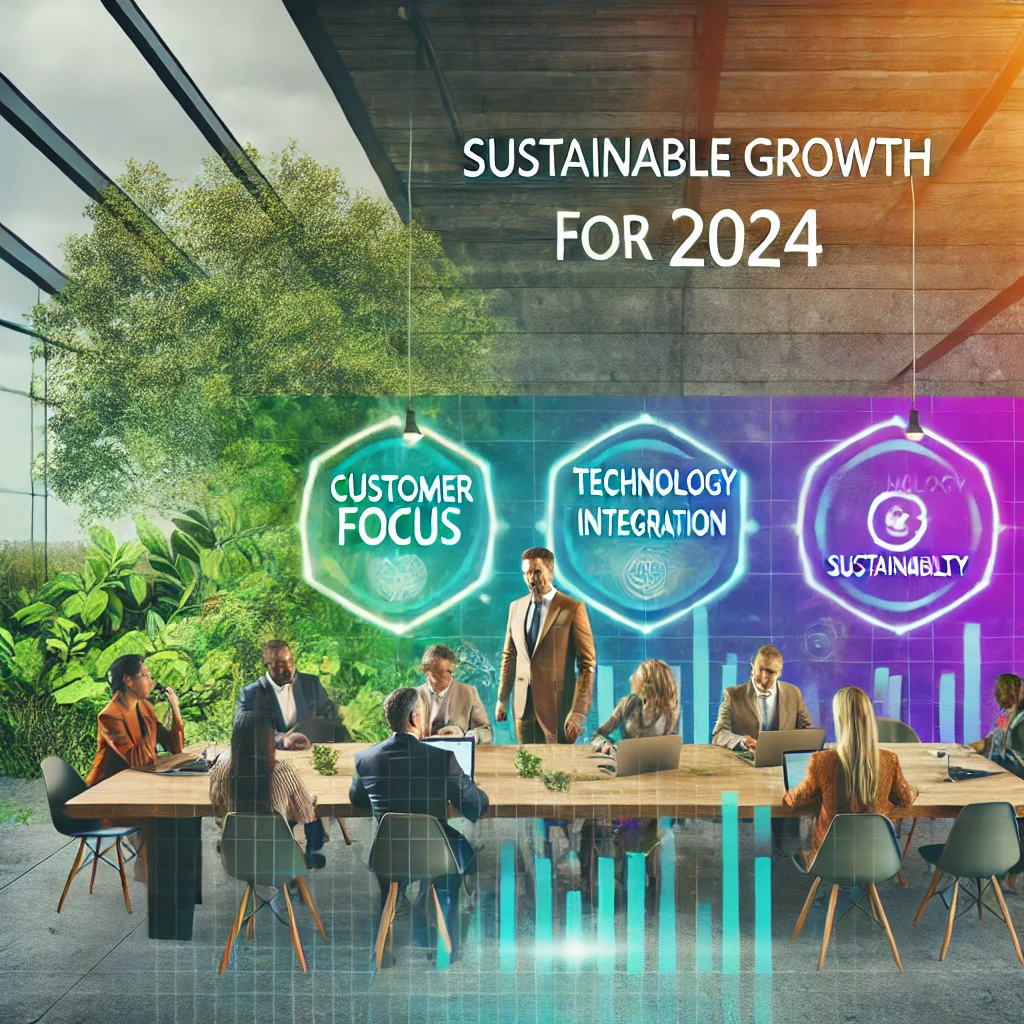
    As we move further into 2024, businesses are under increasing pressure to adapt, innovate, and grow sustainably. For any business, growth is essential not just for survival but for thriving in an ever-evolving market. Here, we’ll dive into some of the best strategies that can help drive sustainable growth and ensure long-term success for your business.


    1. Focus on Customer-Centric Strategies

    In today’s competitive landscape, placing the customer at the center of your business strategy is crucial. A customer-centric approach ensures that every decision made considers the needs and desires of your target audience. Here’s how you can do it:

    • Personalized Marketing: Use data analytics to understand customer preferences and create tailored experiences.
    • Customer Feedback Loops: Actively seek feedback to identify areas for improvement.
    • Loyalty Programs: Implement rewards programs that encourage repeat business and foster customer loyalty.

    2. Leverage Technology for Operational Efficiency

    Technology continues to transform business operations. To remain competitive, businesses must adopt tools that streamline processes, reduce costs, and improve productivity.

    • Automate Routine Tasks: Automation tools can handle repetitive tasks, allowing teams to focus on higher-value work.
    • Utilize Data Analytics: Data-driven decision-making enables businesses to predict trends, understand customer behavior, and optimize operations.
    • Embrace Cloud Solutions: Cloud-based systems offer flexibility, security, and reduced IT costs, making them ideal for modern business needs.

    3. Invest in Employee Development

    Your employees are your most valuable asset. Investing in their growth and well-being is not only good for morale but also critical for long-term business success. Consider implementing:

    • Ongoing Training Programs: Encourage skill development to keep your team up-to-date with industry trends.
    • Clear Career Paths: Show employees a clear trajectory for growth within the company.
    • Flexible Work Environments: With the rise of remote work, providing flexibility can increase employee satisfaction and retention.

    4. Adopt Sustainable Practices

    Sustainability is no longer optional. Consumers today are increasingly aware of the environmental impact of the products they buy, and they want to support businesses that share their values.

    • Eco-Friendly Products: Offer products that use sustainable materials or adopt eco-friendly production methods.
    • Reduce Waste: Implement processes that minimize waste and promote recycling within your company.
    • Transparent Communication: Be open about your sustainability efforts. Transparency fosters trust and aligns with the values of today’s consumers.

    5. Implement Agile Business Models

    The business world is unpredictable, and companies must be agile to adapt to rapid changes. An agile model enables businesses to respond quickly to market shifts and seize new opportunities.

    • Short Planning Cycles: Instead of long-term rigid plans, use short planning cycles to quickly adapt strategies.
    • Flexible Teams: Create cross-functional teams that can pivot based on new objectives or challenges.
    • Embrace Innovation: Encourage creativity and innovation within your team to stay ahead of competitors.

    6. Enhance Your Digital Presence

    A strong digital presence is essential for attracting and retaining customers. Your website, social media, and online marketing strategies form the backbone of your digital footprint.

    • SEO Optimization: Ensure your website ranks well on search engines so that customers can find you easily.
    • Social Media Engagement: Consistent, engaging social media content helps build brand loyalty and keeps your audience connected.
    • Invest in Digital Ads: Paid ads on platforms like Google, Facebook, and LinkedIn can drive traffic and increase conversions.

    Conclusion

    Sustainable growth in 2024 is achievable by focusing on customer needs, leveraging technology, investing in your team, adopting sustainable practices, and maintaining agility. Implementing these strategies can position your business for long-term success, adaptability, and resilience in a fast-paced market.

    Stay committed to your goals, be open to change, and keep an eye on emerging trends to ensure your business remains a leader in its field.

  • Understanding the Global Citations Network: Enhancing Your Business’s Global Reach

    Understanding the Global Citations Network: Enhancing Your Business’s Global Reach

    Introduction

    In an increasingly interconnected world, a strong online presence is crucial for businesses aiming for global visibility. One essential tool for achieving this is the Global Citations Network. For businesses large and small, this network helps amplify their online footprint, improve search engine rankings, and establish credibility across various regions. In this blog, we’ll dive into what the Global Citations Network is, why it matters, and how you can leverage it to reach a wider audience.


    What is the Global Citations Network?

    The Global Citations Network (GCN) consists of online references to a business’s information across various websites, directories, and platforms worldwide. A “citation” typically includes the business’s Name, Address, and Phone number (NAP), and sometimes, additional details like website links, reviews, and business descriptions. Citations help establish a business’s legitimacy and relevance in search engine algorithms, impacting visibility and rankings.

    The network spans beyond local listings, connecting businesses to regional and international directories, creating a web of information that makes them discoverable to a global audience.


    Why Are Citations Important?

    1. Improved Search Engine Rankings: Search engines like Google rely on citations to validate business legitimacy. More citations mean more credibility, translating into higher search rankings.
    2. Enhanced Local and Global Visibility: Citations make your business discoverable in various locations, helping attract international traffic, expanding customer base, and driving local engagement.
    3. Trust and Credibility: When your business information is consistently listed across reputable directories, customers are more likely to trust and choose your business over competitors.
    4. SEO Boost: Quality citations strengthen a website’s SEO, boosting organic search performance, especially when listed on high-authority websites relevant to your industry.

    Key Components of a Strong Global Citations Network

    1. Consistency Across Platforms
      Ensure that your business’s NAP information is consistent across all directories and platforms. Inconsistent information can confuse customers and search engines, potentially lowering your credibility and rankings.
    2. High-Quality Directories
      Focus on high-quality, industry-specific directories with a strong reputation. Google and other search engines often prioritize listings from reputable sites over others.
    3. Rich Content
      Enhance citations with detailed business descriptions, category selection, business hours, and photos. The more detailed and engaging your listing, the better the chances of drawing in customers and standing out.
    4. Local Listings with Global Reach
      Local directories with global audiences, such as Yelp and TripAdvisor, offer the best of both worlds by driving local foot traffic while ensuring international discoverability.

    How to Build and Manage a Global Citations Network

    1. Start with a Citation Audit
      Begin by conducting a citation audit to identify where your business is listed and ensure consistency. Tools like Moz Local or BrightLocal can help you locate existing citations and correct discrepancies.
    2. Identify Key Directories for Your Industry
      Research industry-specific directories that are recognized globally, ensuring your listings are in places where your target audience is likely to find you.
    3. Automate Citation Management
      Platforms like Yext, Moz, or Whitespark allow you to automate the process of building, updating, and managing citations. This ensures consistency and saves time, particularly for businesses with multiple locations.
    4. Monitor Reviews and Customer Feedback
      Many citation sites allow customer reviews, which influence new potential customers and your search rankings. Engage with reviews, thank customers, and address any concerns professionally to build a positive reputation.

    Benefits of a Global Citations Network for Business Growth

    1. Increased Online Authority
      A network of citations across authoritative sites signals to search engines that your business is credible and relevant, boosting your authority in the industry.
    2. Wider Customer Reach
      For businesses expanding globally, citations make it easier for international customers to discover them, translating into potential sales growth across borders.
    3. Higher Lead Generation
      Consistent and visible citations across multiple platforms can lead to higher foot traffic and website visits, ultimately driving lead generation and revenue.
    4. Competitive Advantage
      A well-managed Global Citations Network gives businesses a competitive edge. When customers see your information on trusted sites, they’re more likely to choose your brand over others with less visibility.

    Conclusion

    The Global Citations Network is a powerful asset for any business aiming for expansive growth. By maintaining consistent, accurate, and engaging citations across high-quality directories, you’re building a foundation of credibility and visibility that can significantly enhance your business’s reach. Take the time to audit, build, and maintain your citations network; it’s an investment that pays dividends in global discoverability, trustworthiness, and customer engagement.

    With a strategic approach to citation management, your business can build a stronger global presence and unlock new growth opportunities. Start optimizing your Global Citations Network today, and position your business for long-term success in the digital world!

  • The Essential Guide to Cybersecurity: Protecting Your Digital World

    The Essential Guide to Cybersecurity: Protecting Your Digital World

    Introduction

    In today’s hyper-connected world, cybersecurity has become a crucial aspect of our personal and professional lives. With cyber threats evolving every day, understanding the basics of cybersecurity and implementing strategies to protect ourselves has never been more essential. From data breaches and phishing scams to ransomware attacks, the digital landscape presents various risks that can have far-reaching impacts. In this guide, we’ll explore key cybersecurity practices, common threats, and steps you can take to safeguard your digital presence.


    Why Cybersecurity Matters

    As more of our information is stored and shared online, the risk of it being stolen or compromised grows. Cybersecurity is the practice of defending networks, devices, and data from unauthorized access or attacks. For individuals, it means protecting personal data like financial information, health records, and social media accounts. For businesses, cybersecurity is vital for safeguarding intellectual property, client data, and operational integrity.


    Common Cyber Threats to Watch For

    1. Phishing Attacks
      Phishing is a tactic where cybercriminals disguise themselves as trustworthy sources to steal sensitive information. Phishing often occurs through emails, texts, or fake websites and is one of the most common cyber threats today.
    2. Ransomware
      Ransomware attacks encrypt a user’s data, rendering it inaccessible until a ransom is paid. This type of malware has targeted both individuals and large organizations, causing significant disruptions.
    3. Malware
      Malware is malicious software that can harm or take control of a system. It includes viruses, worms, trojans, and spyware that can be delivered through infected files, links, or downloads.
    4. Data Breaches
      Data breaches expose personal and financial information to unauthorized parties. They often occur through hacking or human error and can result in significant financial and reputational damage.
    5. DDoS (Distributed Denial of Service) Attacks
      DDoS attacks overwhelm a server with excessive requests, causing it to crash. This type of attack disrupts websites, services, and networks, impacting businesses and users alike.

    Essential Cybersecurity Practices

    1. Use Strong, Unique Passwords
      Create complex passwords and avoid using the same password for multiple accounts. Consider using a password manager to keep track of your credentials.
    2. Enable Two-Factor Authentication (2FA)
      2FA adds an extra layer of security by requiring two forms of verification before accessing an account. Even if a password is compromised, 2FA can help keep accounts secure.
    3. Regularly Update Software
      Software updates often include security patches for newly discovered vulnerabilities. Keeping software up-to-date is an effective way to protect against malware and cyber attacks.
    4. Be Cautious with Emails and Links
      Avoid clicking on suspicious links or downloading attachments from unknown sources. Always verify the sender’s identity before responding to emails requesting personal information.
    5. Back-Up Your Data Regularly
      Regular backups ensure that you have access to important files even if your data is compromised. Use both cloud-based and physical backups for added security.
    6. Secure Your Home Network
      Ensure that your Wi-Fi network is password-protected and use a virtual private network (VPN) when accessing public Wi-Fi. This makes it harder for hackers to intercept your data.

    Cybersecurity for Businesses: Additional Tips

    For businesses, cybersecurity practices extend beyond individual actions. Implementing a company-wide security policy is essential to minimize risk. Here are a few additional steps:

    • Conduct Regular Security Audits: Evaluate the company’s cybersecurity practices and identify potential vulnerabilities.
    • Employee Training: Train employees on recognizing phishing emails, secure password practices, and data protection policies.
    • Limit Access: Grant data access on a need-to-know basis and use role-based permissions to reduce potential risks.
    • Invest in Advanced Security Tools: Firewalls, intrusion detection systems, and endpoint protection solutions are critical for identifying and mitigating threats early.

    The Future of Cybersecurity

    Cyber threats are becoming increasingly sophisticated, and the future of cybersecurity lies in advanced technologies like artificial intelligence (AI), machine learning, and blockchain. AI and machine learning can help detect anomalies in network traffic and identify potential threats faster than human analysts. Blockchain can enhance data security by creating transparent, tamper-proof records of transactions. However, these technologies are also being used by cybercriminals, leading to a continuous “arms race” in the cybersecurity landscape.


    Conclusion

    With our lives more connected than ever, protecting our digital assets should be a top priority. By understanding the risks and implementing robust cybersecurity practices, both individuals and businesses can reduce the likelihood of cyber threats. Remember, cybersecurity is an ongoing process—staying informed and proactive is key to staying safe in the digital world. Start with the basics, adopt good habits, and keep evolving with the latest security trends. After all, in cybersecurity, the best defense is a strong offense.y.

  • The Ultimate Guide to Local Citations Building: Boosting Your Business’s Local Search Visibility

    The Ultimate Guide to Local Citations Building: Boosting Your Business’s Local Search Visibility

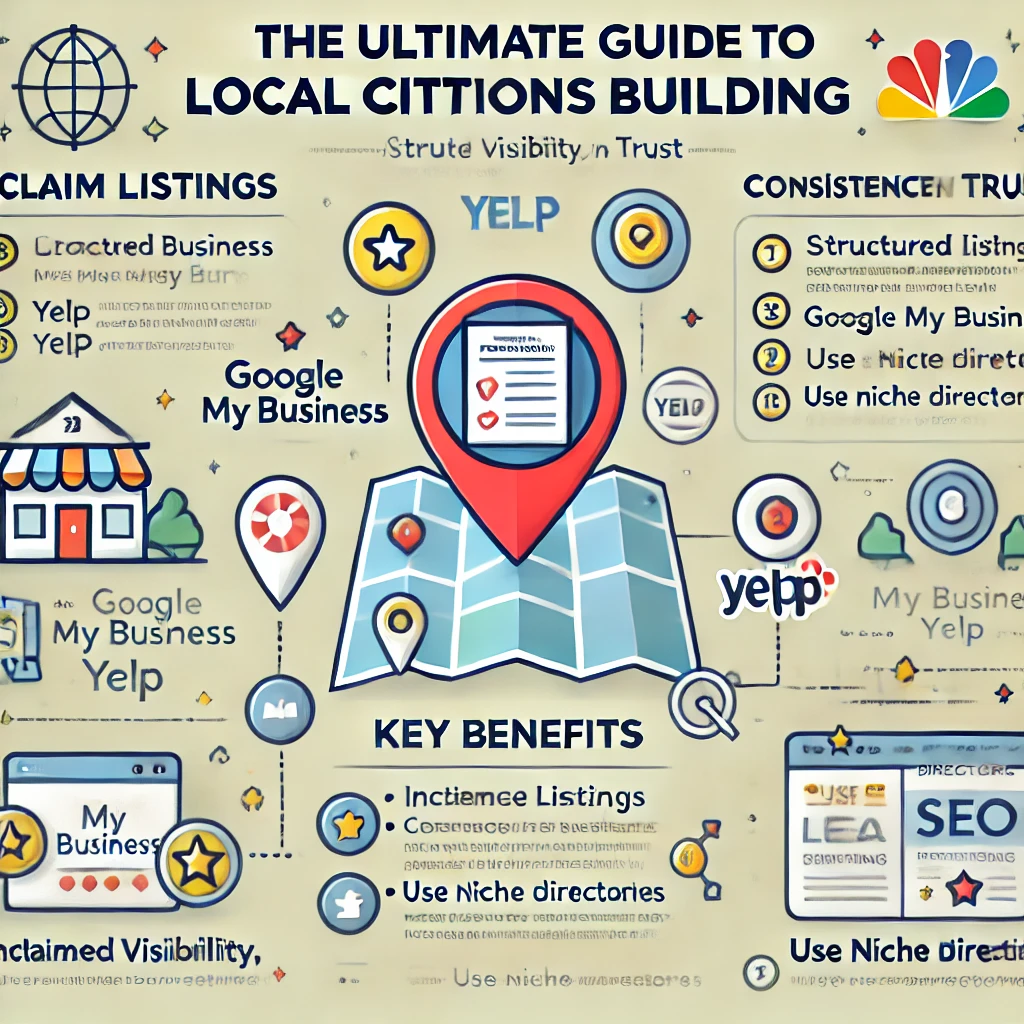
    In the competitive world of local SEO, building local citations is one of the most effective ways to improve your business’s visibility on search engines. Local citations can help your business stand out in location-based searches, drive more foot traffic, and build credibility with potential customers. In this guide, we’ll cover everything you need to know about local citations, why they matter, and how to create an effective local citation strategy for your business.

    What Are Local Citations?

    A local citation is any mention of your business’s name, address, and phone number (often called NAP) on other websites, directories, or social platforms. Citations can appear in online business directories like Google My Business, Yelp, and Yellow Pages, or on local blogs, social media pages, and news websites. The goal of local citations is to provide search engines and users with consistent and accurate information about your business, making it easier to find you online and offline.

    Why Are Local Citations Important?

    Local citations play a significant role in improving your business’s local SEO. Here’s why they matter:

    1. Increased Visibility: Citations can help your business show up in local search results, especially when users search for businesses in a specific area or industry.
    2. Improved Ranking in Local Search: Search engines use citations as a signal to determine a business’s relevance and authority in a specific area. The more accurate citations you have, the more likely your business will rank higher in local search results.
    3. Enhanced Credibility and Trust: Consistent and accurate citations across multiple platforms build trust with both search engines and customers, as they reflect a legitimate and established business.
    4. More Website Traffic and Leads: Citations on popular directories with high traffic can drive users directly to your website or location, leading to potential new customers.

    Types of Local Citations

    There are two main types of local citations:

    • Structured Citations: These are listings in online directories that follow a specific format, such as Google My Business, Yelp, Bing Places, and Facebook. They typically include your business name, address, phone number, and website link.
    • Unstructured Citations: These are mentions of your business that appear in places other than directories, like blogs, press articles, or social media. While they don’t always follow a specific format, they can still positively impact your SEO.

    How to Build Effective Local Citations

    Creating a solid citation-building strategy is essential for businesses looking to boost their local SEO. Here are some steps to get you started:

    1. Claim Your Business Listings

    Start by claiming your business on popular local directories like Google My Business, Bing Places, Yelp, and Apple Maps. These platforms have high authority and can significantly improve your local visibility.

    2. Ensure NAP Consistency

    Consistency is key when building local citations. Make sure your business name, address, and phone number are the same across all platforms. Inconsistent NAP details can confuse search engines and harm your local rankings. Even small discrepancies, such as “Street” vs. “St.” or different phone numbers, can impact your local SEO.

    3. Use Local and Industry-Specific Directories

    In addition to general directories, list your business in industry-specific or local directories relevant to your area or field. Examples include TripAdvisor for hospitality businesses, Healthgrades for healthcare providers, or Avvo for legal services. These niche directories can attract targeted traffic and boost credibility.

    4. Optimize Your Google My Business Listing

    Google My Business (GMB) is one of the most critical platforms for local SEO. Ensure your GMB profile is complete with accurate information, relevant keywords, business categories, images, and customer reviews. A well-optimized GMB listing can improve your ranking in Google’s local pack, where most users find local businesses.

    5. Build Unstructured Citations

    Apart from structured listings, seek opportunities for unstructured citations. Reach out to local bloggers, journalists, or community pages to feature your business in articles or local news. Sponsorships, partnerships, and local event listings can also provide unstructured citations.

    6. Encourage Reviews on Citations Sites

    Many directories, like Yelp and Google My Business, allow customers to leave reviews. Positive reviews not only boost your credibility but also impact your ranking on these platforms. Encourage satisfied customers to leave reviews on these citation sites, as reviews can help improve your online reputation and attract more leads.

    7. Use Citation Management Tools

    Keeping track of your citations across multiple platforms can be challenging. Consider using citation management tools like Moz Local, BrightLocal, or Yext to help automate and manage your listings. These tools can simplify the process of building, monitoring, and correcting citations, ensuring your NAP data remains consistent.

    Common Mistakes to Avoid in Local Citations Building

    While building citations, it’s essential to be mindful of some common pitfalls that can hinder your local SEO efforts. Here are a few mistakes to avoid:

    • Inconsistent Information: Inconsistent NAP data across platforms can harm your credibility and ranking. Always double-check the accuracy of your information.
    • Overlooking Niche Directories: Don’t rely solely on popular directories. Neglecting niche directories that are relevant to your industry or location can result in missed opportunities for visibility.
    • Ignoring Negative Reviews: Responding to negative reviews on citation sites shows that you care about customer feedback and are committed to improvement. Ignoring them can damage your online reputation.
    • Creating Fake Listings: Avoid creating multiple or fake listings for your business, as search engines may penalize you for it.

    The Impact of Local Citations on Local SEO

    Building citations is an ongoing process, and maintaining accurate and consistent citations across platforms can greatly improve your local SEO. Citations contribute to your business’s online footprint, signaling to search engines that you are a credible and established local business. A well-rounded citation-building strategy not only boosts your visibility in search results but also enhances your reputation among local customers.

    Conclusion

    Local citations are a vital component of any successful local SEO strategy. By building and managing citations across a range of platforms, you can help improve your business’s online presence, attract more local customers, and build lasting trust with your audience. Remember, consistency is key – the more accurate and widespread your citations, the stronger your local SEO performance will be.

    Start building your local citations today and watch your business’s online presence grow!

  • The Ultimate Guide to SEO: Boosting Your Website’s Visibility and Traffic

    The Ultimate Guide to SEO: Boosting Your Website’s Visibility and Traffic

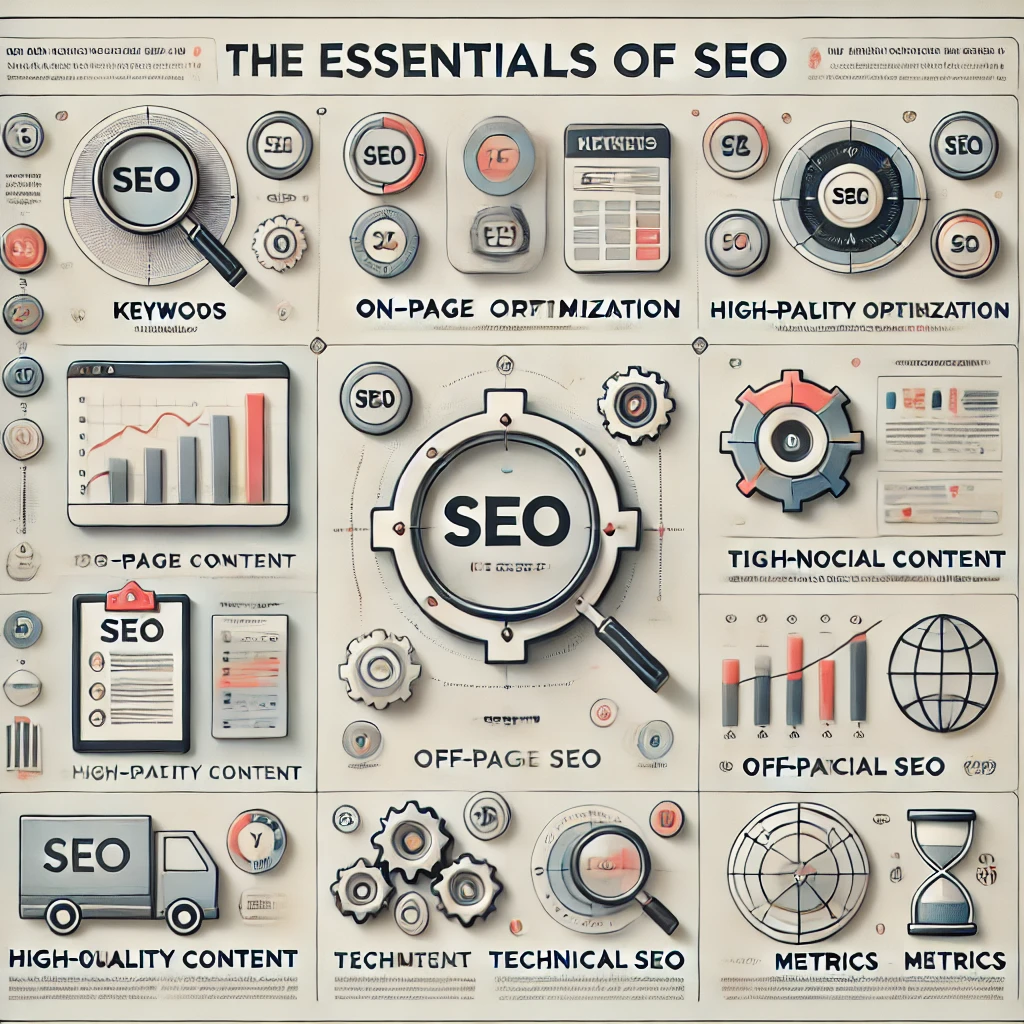
    In today’s digital landscape, SEO (Search Engine Optimization) is a crucial tool for any business or content creator looking to increase their online visibility, attract more visitors, and convert leads into loyal customers. Let’s dive into the essentials of SEO, from keyword research to technical optimization, and explore how you can use these strategies to boost your website’s performance.

    1. What is SEO and Why is It Important?

    SEO is the practice of optimizing your website and content to rank higher on search engines like Google, Bing, and Yahoo. When your site appears at the top of search results, you’re more likely to attract organic traffic—visitors who are genuinely interested in your products, services, or information. With proper SEO, you’re not only improving visibility but also building trust and credibility with your audience.

    2. Understanding Keywords: The Foundation of SEO

    Keywords are the phrases and terms people type into search engines. To identify the right keywords for your business:

    • Use Keyword Research Tools: Tools like Google Keyword Planner, SEMrush, and Ahrefs can help you find keywords relevant to your niche.
    • Focus on Search Intent: Understand the user’s intent behind their search query. Are they looking for information, making a purchase, or comparing products?
    • Balance High-Volume and Long-Tail Keywords: High-volume keywords bring more traffic, while long-tail keywords (three or more words) are often easier to rank for and have more specific user intent.

    3. On-Page SEO: Optimizing Your Content

    On-page SEO refers to optimizing elements on your website that can impact your ranking:

    • Meta Tags: Write compelling and relevant title tags and meta descriptions for each page. They help search engines understand the content and entice users to click.
    • Headings (H1, H2, H3): Use headings to structure your content and incorporate keywords naturally. This improves readability and helps search engines parse your content.
    • Image Optimization: Use alt tags for images to describe them to search engines, which can improve your ranking in image searches and help with accessibility.
    • Internal Linking: Link to other relevant pages on your website. This helps distribute page authority and keeps users on your site longer.

    4. Content is King: Creating High-Quality, Engaging Content

    Content that is valuable, informative, and unique will not only engage readers but also improve your SEO. Here’s how to create content that ranks:

    • Address Pain Points: Focus on what your audience is looking for, solve their problems, or answer their questions.
    • Use Visuals: Incorporate images, infographics, and videos to enhance user engagement and reduce bounce rates.
    • Update Regularly: Outdated content can hurt your rankings. Regularly update your blog posts and pages to keep them relevant.

    5. Technical SEO: Enhancing Your Site’s Structure and Speed

    Technical SEO ensures that search engines can access, crawl, interpret, and index your website without issues:

    • Mobile-Friendliness: With mobile searches surpassing desktop, ensure your site is responsive and user-friendly on all devices.
    • Improve Page Load Speed: Slow-loading pages can lead to higher bounce rates. Optimize images, use caching, and minimize code to enhance speed.
    • XML Sitemap: Submit an XML sitemap to search engines to help them find and index your pages quickly.
    • Fix Broken Links: Broken links can harm the user experience and lower your search ranking. Use tools like Screaming Frog to identify and fix them.

    6. Off-Page SEO: Building Credibility and Authority

    Off-page SEO revolves around activities that happen outside your website but influence your rankings:

    • Backlinks: These are links from other websites pointing to your site. Aim for high-quality backlinks from reputable sources to build authority.
    • Social Media Presence: While social media doesn’t directly affect SEO, it can increase visibility, which may lead to more links and mentions.
    • Local SEO: If you have a local business, make sure to optimize for local search by creating a Google My Business profile, collecting reviews, and using local keywords.

    7. Measuring SEO Success: Key Metrics to Track

    To understand the impact of your SEO efforts, regularly monitor these essential metrics:

    • Organic Traffic: The number of visitors from search engines.
    • Keyword Rankings: Track where your target keywords rank over time.
    • Bounce Rate: This indicates the percentage of visitors who leave after viewing one page. Aim for engaging content to lower this rate.
    • Click-Through Rate (CTR): The percentage of people who click on your link when it appears in search results.
    • Conversion Rate: The percentage of visitors who complete a desired action (e.g., sign up, purchase) on your site.

    Conclusion

    SEO is a powerful tool for building your online presence and reaching the right audience. While SEO may seem complex, breaking it down into these core components—keyword research, on-page optimization, high-quality content, technical SEO, and off-page strategies—will set you up for success. Remember, SEO is an ongoing process; monitor your results and adjust your strategies to stay ahead of the competition.

    By investing time and effort into SEO, you’re investing in the long-term growth and visibility of your website. So, start optimizing today and watch your website climb the ranks!

  • The Ultimate Guide to Affiliate Marketing: How to Get Started and Succeed in 2024

    The Ultimate Guide to Affiliate Marketing: How to Get Started and Succeed in 2024

    Affiliate marketing has become one of the most popular ways to earn money online, offering flexible work options and the potential for passive income. But what exactly is affiliate marketing, and how can you turn it into a profitable venture? In this guide, we’ll break down everything you need to know to get started and succeed with affiliate marketing in 2024.

    What is Affiliate Marketing?

    At its core, affiliate marketing is a process where individuals (affiliates) promote a company’s products or services and earn a commission for each sale made through their unique referral link. Affiliates partner with companies, drive traffic to their offerings, and, in return, receive a share of the profits for successful sales.

    Why Choose Affiliate Marketing?

    Affiliate marketing is an attractive business model because it:

    • Requires minimal startup costs: Unlike traditional businesses, you don’t need to invest in inventory or shipping.
    • Offers flexibility: You can work from anywhere and set your own hours.
    • Provides passive income potential: Once set up, an effective affiliate marketing strategy can generate revenue over time.

    How to Start Affiliate Marketing

    1. Choose Your Niche
      • Selecting a specific niche helps you reach a targeted audience. Consider industries that interest you, have a high demand, and align with your knowledge. Some popular niches include health and wellness, technology, finance, and lifestyle.
    2. Find Reliable Affiliate Programs
      • Look for affiliate programs that offer high-quality products and attractive commissions. Some popular affiliate networks include:
        • Amazon Associates: A broad range of products but typically lower commission rates.
        • ShareASale: A wide variety of brands across numerous industries.
        • ClickBank: Ideal for digital products like e-books and online courses.
    3. Create Quality Content
      • Content is key to attracting potential buyers. You can create a blog, YouTube channel, or even social media profiles to promote products. Your content should provide value to readers—such as product reviews, tutorials, and comparison guides—to help them make informed decisions.
    4. Build an Audience
      • Growing a loyal audience is essential for success in affiliate marketing. Share useful information, engage with your followers, and optimize your content for search engines (SEO) to increase visibility.
    5. Optimize for SEO
      • Search engine optimization (SEO) can boost your content’s visibility on platforms like Google. Use relevant keywords, focus on long-tail phrases, and ensure your content is structured well to rank higher in search results.
    6. Use Analytics to Track Performance
      • Track your affiliate links and analyze which strategies are working best. Platforms like Google Analytics help you monitor traffic, conversions, and earnings. This data allows you to refine your approach and improve results over time.

    Top Tips for Affiliate Marketing Success in 2024

    • Stay Updated on Trends: The digital marketing landscape is always changing. Follow industry news, and stay informed on algorithm updates and consumer behavior shifts.
    • Focus on High-Quality Products: Your audience’s trust is essential, so only promote products that offer real value. Poor-quality recommendations can hurt your credibility.
    • Diversify Your Traffic Sources: Don’t rely solely on one platform. Experiment with different social media channels, SEO, and email marketing to reach a broader audience.

    Common Mistakes to Avoid

    • Promoting Too Many Products: Overloading your audience with promotions can seem spammy and dilute your credibility.
    • Ignoring Your Audience’s Needs: Understand what your audience is looking for and provide tailored recommendations.
    • Neglecting Long-Term Strategy: Affiliate marketing is a marathon, not a sprint. Focus on consistent growth rather than quick wins.

    Conclusion

    Affiliate marketing can be a powerful way to earn money online if done right. By focusing on a niche, providing value, and building trust with your audience, you can build a sustainable income stream. Ready to take the leap? Start by choosing a niche, finding the right affiliate programs, and creating valuable content. Your journey to affiliate marketing success in 2024 begins now!

  • Empowering Businesses Through BATVE’s Comprehensive IT Solutions

    Empowering Businesses Through BATVE’s Comprehensive IT Solutions

    In an era where technology underpins business success, companies are increasingly seeking reliable partners to help them navigate the complex digital landscape. BATVE, with its innovative approach and tailored solutions, has emerged as a leading force in empowering businesses through advanced IT services.

    BATVE’s Unique Approach to Business Solutions

    BATVE stands out for its commitment to understanding each client’s unique needs and creating customized strategies. The company’s collaborative approach ensures that the solutions not only fit seamlessly into current operations but also pave the way for future advancements.

    Core Services Offered

    • End-to-End Software Development: BATVE excels in designing software that enhances productivity and adapts to the specific workflow of each business.
    • Robust IT Support and Consultancy: From initial assessment to implementation, BATVE offers comprehensive consultancy to help businesses stay competitive and resilient.
    • Advanced Data Solutions: BATVE’s data analytics services empower organizations to leverage their data for strategic decision-making, ensuring they remain ahead of the curve.
    • System Integration Services: By connecting disparate systems, BATVE creates a unified digital ecosystem that optimizes efficiency and enhances collaboration.

    The Benefits of Partnering with BATVE

    1. Scalable Solutions: BATVE’s solutions are built to grow alongside your business, making scalability a seamless process.
    2. Expert Team: With a team of experienced developers, data analysts, and IT consultants, BATVE ensures each project is managed with precision and expertise.
    3. Customer-Focused Strategies: BATVE prioritizes client satisfaction, fostering long-term partnerships through transparent and effective communication.

    Real-World Impact

    A recent client shared, “BATVE’s innovative solutions transformed our operations, making our processes more efficient and enabling us to focus on strategic growth.” Success stories like these illustrate why BATVE continues to be a preferred technology partner for businesses aiming for sustainable growth.

    Conclusion

    In an environment where staying digitally relevant is vital, BATVE is the partner that provides businesses with the technological tools and expertise needed to succeed. By offering a wide range of IT services, BATVE helps organizations harness the power of technology to reach their full potential.

    Discover how BATVE’s tailored IT solutions can redefine your business’s growth journey by visiting BATVE.