Blog

  • Effective Strategies for Tracking PPC Metrics to Boost Your Campaign Performance

    Effective Strategies for Tracking PPC Metrics to Boost Your Campaign Performance

    Pay-per-click (PPC) advertising has become an essential tool for driving traffic, generating leads, and increasing conversions. However, to get the most out of your PPC campaigns, tracking the right metrics is crucial. By focusing on key PPC metrics, you can analyze performance, make data-driven adjustments, and ensure your ad spend is delivering a strong return on investment (ROI). In this guide, we’ll explore the most effective strategies for tracking PPC metrics and optimizing your campaigns.

    1. Start with Key PPC Metrics
      Before diving into the specifics, it’s essential to understand the foundational PPC metrics to track. These include:

    Click-Through Rate (CTR): CTR measures the percentage of users who clicked on your ad after seeing it. A high CTR indicates that your ad is relevant and engaging for your target audience.

    Conversion Rate: This metric shows the percentage of clicks that result in a desired action, such as a purchase, form submission, or sign-up. It directly reflects the effectiveness of your landing page and ad relevance.

    Cost Per Click (CPC): CPC tells you the average cost paid for each click on your ad. Monitoring CPC helps control ad spend and optimize budgets for better ROI.

    Quality Score: Quality Score is a rating by Google Ads that considers the relevance and quality of your keywords, ads, and landing pages. A high Quality Score can reduce CPC and improve ad placements.

    Return on Ad Spend (ROAS): ROAS measures the revenue generated for every dollar spent on ads. It’s a critical metric for evaluating the overall profitability of your PPC campaigns.

    1. Set Up Conversion Tracking
      Conversion tracking is essential for accurately measuring the success of your PPC campaigns. Google Ads and other PPC platforms offer built-in conversion tracking, which allows you to:

    Track actions that users take after clicking your ad, such as purchases, form submissions, or phone calls.
    Measure the effectiveness of individual keywords, ads, and landing pages.
    Make data-driven decisions on where to allocate budgets for the highest returns.
    To set up conversion tracking in Google Ads, go to the “Conversions” tab, create a new conversion action, and follow the steps to install a tracking code on your website.

    1. Leverage Google Analytics for Deeper Insights
      While PPC platforms provide useful metrics, Google Analytics allows you to gain deeper insights into user behavior and engagement. Here’s how to use Google Analytics to enhance your PPC tracking:

    Set Up Goals: Define specific goals in Google Analytics that align with your PPC campaign objectives, such as purchases, lead generation, or newsletter sign-ups.
    Monitor User Behavior: Analyze user behavior after they click on your ad, including bounce rate, time on site, and pages per session. These insights help optimize landing pages and user experience.
    Track Multi-Channel Funnels: Google Analytics enables you to track multi-channel funnels, allowing you to see how PPC contributes to conversions when combined with other channels, like organic search or social media.

    1. Use UTM Parameters for Better Tracking
      UTM parameters are tags you can add to your URL links in PPC ads to track specific details about the clicks. By using UTM tags, you can measure campaign source, medium, and other important information. For example, using UTM parameters lets you see which ad variations or keywords are driving the most traffic and conversions.

    In Google Analytics, go to Acquisition > Campaigns to view your UTM-tagged campaign performance. This detailed data can help you identify top-performing ads and optimize underperforming ones.

    1. Monitor Cost Per Acquisition (CPA) and ROAS
      Cost Per Acquisition (CPA) and Return on Ad Spend (ROAS) are key indicators of campaign efficiency. Tracking these metrics helps you understand whether your campaign is profitable:

    Cost Per Acquisition (CPA): Calculate CPA by dividing the total ad spend by the number of conversions. This metric shows how much you’re spending to acquire each new customer and is essential for budget planning.

    Return on Ad Spend (ROAS): Divide the total revenue generated by ad spend to calculate ROAS. It provides a direct view of the revenue earned per dollar spent on ads, helping you gauge overall profitability.

    1. Implement A/B Testing for Continuous Improvement
      A/B testing, or split testing, is crucial for optimizing ad performance. By testing different elements of your ads, such as headlines, calls-to-action, or landing pages, you can find the best combinations that maximize conversions. Regular A/B testing helps reduce ad spend and improves metrics like CTR, CPC, and ROAS over time.
    2. Analyze Competitor Performance for Context
      Monitoring competitor performance can provide valuable insights into market trends and inform your PPC strategy. Tools like SEMrush or SpyFu allow you to see which keywords competitors are bidding on, ad copy they’re using, and their estimated ad spend. Understanding competitor strategies helps you refine your own approach and make adjustments to stay competitive.
    3. Regularly Review and Adjust Bids
      Bid adjustments are essential for maximizing PPC performance and minimizing ad spend. By reviewing performance data, you can make bid adjustments based on:

    Geographic performance: Allocate higher bids to locations with higher conversion rates.
    Device performance: Adjust bids based on device performance, such as mobile or desktop.
    Time and day: Increase bids during peak times or days when conversions are higher.

    1. Use Automation to Streamline Tracking
      PPC platforms like Google Ads offer automation tools that can help streamline tracking and optimization. Some useful automated strategies include:

    Automated bidding: Set bidding strategies to optimize for conversions, clicks, or other goals.
    Ad scheduling: Automate ad schedules to run during high-conversion periods.
    Rules and alerts: Create custom rules or alerts to notify you of significant metric changes, helping you respond quickly to performance shifts.

    1. Review Metrics Regularly to Refine Strategy
      Tracking PPC metrics should be an ongoing process. Regularly review campaign performance and make adjustments based on your metrics to keep your campaigns optimized. Set specific times to evaluate results (e.g., weekly or monthly) and take note of trends over time to refine your PPC strategy and ensure long-term success.


    Tracking PPC metrics is key to achieving a high-performing campaign that drives meaningful results. By focusing on essential metrics like CTR, conversion rate, ROAS, and CPA, and using tools like Google Analytics and UTM parameters, you can optimize your campaigns, make informed decisions, and maximize your advertising ROI.

    Start tracking your PPC metrics with these strategies and unlock new opportunities to enhance your campaign performance.

  • Empowering Businesses Through BATVE’s Comprehensive IT Solutions

    Empowering Businesses Through BATVE’s Comprehensive IT Solutions

    In an era where technology underpins business success, companies are increasingly seeking reliable partners to help them navigate the complex digital landscape. BATVE, with its innovative approach and tailored solutions, has emerged as a leading force in empowering businesses through advanced IT services.

    BATVE’s Unique Approach to Business Solutions

    BATVE stands out for its commitment to understanding each client’s unique needs and creating customized strategies. The company’s collaborative approach ensures that the solutions not only fit seamlessly into current operations but also pave the way for future advancements.

    Core Services Offered

    • End-to-End Software Development: BATVE excels in designing software that enhances productivity and adapts to the specific workflow of each business.
    • Robust IT Support and Consultancy: From initial assessment to implementation, BATVE offers comprehensive consultancy to help businesses stay competitive and resilient.
    • Advanced Data Solutions: BATVE’s data analytics services empower organizations to leverage their data for strategic decision-making, ensuring they remain ahead of the curve.
    • System Integration Services: By connecting disparate systems, BATVE creates a unified digital ecosystem that optimizes efficiency and enhances collaboration.

    The Benefits of Partnering with BATVE

    1. Scalable Solutions: BATVE’s solutions are built to grow alongside your business, making scalability a seamless process.
    2. Expert Team: With a team of experienced developers, data analysts, and IT consultants, BATVE ensures each project is managed with precision and expertise.
    3. Customer-Focused Strategies: BATVE prioritizes client satisfaction, fostering long-term partnerships through transparent and effective communication.

    Real-World Impact

    A recent client shared, “BATVE’s innovative solutions transformed our operations, making our processes more efficient and enabling us to focus on strategic growth.” Success stories like these illustrate why BATVE continues to be a preferred technology partner for businesses aiming for sustainable growth.

    Conclusion

    In an environment where staying digitally relevant is vital, BATVE is the partner that provides businesses with the technological tools and expertise needed to succeed. By offering a wide range of IT services, BATVE helps organizations harness the power of technology to reach their full potential.

    Discover how BATVE’s tailored IT solutions can redefine your business’s growth journey by visiting BATVE.

  • Maximizing Your Online Reach with Effective Digital Strategies

    Maximizing Your Online Reach with Effective Digital Strategies

    In today’s fast-paced digital landscape, creating a strong online presence is essential for businesses looking to thrive and expand. Here’s how leveraging powerful digital strategies can help you reach your target audience and foster meaningful connections:

    1. Embrace SEO Best Practices

    Investing in Search Engine Optimization (SEO) is key to boosting your website’s visibility. By optimizing your content with relevant keywords, producing high-quality, engaging articles, and adhering to on-page and off-page SEO practices, you can ensure that your website ranks higher on search engines and reaches more potential customers.

    2. Utilize Social Media Effectively

    Social media platforms provide a direct channel to engage with your audience. Consistent posting, interactive content, and targeted ads help build brand loyalty and drive traffic to your site. Understanding the trends on platforms relevant to your audience is critical for maximizing engagement.

    3. Leverage Email Marketing

    Email marketing remains one of the most effective tools for nurturing leads and retaining customers. By sending personalized and relevant content, businesses can maintain customer interest and increase conversion rates. Incorporating automated workflows and segmentation can streamline this process and make it more impactful.

    4. Create High-Quality Content

    Content is king when it comes to building an online reputation. Whether through blog posts, videos, or infographics, delivering informative and engaging content helps establish your brand as an authority in your industry and encourages user interaction.

    5. Focus on Mobile Optimization

    With an increasing number of users accessing websites through mobile devices, ensuring your website is mobile-friendly is no longer optional. A seamless mobile experience can significantly enhance user satisfaction and improve your site’s search engine ranking.

    6. Analyze and Adapt

    Regularly analyzing your digital performance metrics is essential for understanding what’s working and what needs improvement. Using tools like Google Analytics can provide insights into user behavior, helping you refine your strategies for better results.

    Implementing these strategies will not only boost your online visibility but also help you build a sustainable digital presence that translates into long-term business success. Take the first step today and watch your online reach expand exponentially!

  • 5 Essential Tips for Effective Digital Branding in 2024

    5 Essential Tips for Effective Digital Branding in 2024

    In today’s ever-evolving digital landscape, branding is no longer just about having a catchy logo or memorable tagline. It’s about creating an experience that resonates with your target audience and builds long-term trust. As we head into 2024, here are five essential tips for crafting an effective digital brand strategy that stands out.

    1. Embrace Authentic Storytelling

    Consumers in 2024 are more discerning than ever, seeking genuine connections with the brands they choose. This means that authenticity should be at the heart of your digital branding. Share stories that reflect your brand’s core values, mission, and the real people behind your business. By being transparent and relatable, you can foster stronger relationships with your audience.

    2. Focus on Personalization

    With the proliferation of data-driven technologies, personalization has become a key element in digital branding. Customers now expect content and interactions that cater specifically to their preferences. Utilize tools and analytics to create tailored experiences—whether it’s through customized email campaigns, personalized product recommendations, or targeted social media content. This level of attention to detail can greatly increase customer loyalty and engagement.

    3. Leverage Visual Consistency

    The visual aspect of your brand is essential in creating a cohesive experience. From your website design and social media profiles to advertisements, a consistent aesthetic helps reinforce brand identity. Choose a distinct color palette, typography, and visual elements that reflect your brand’s personality and ensure they are used consistently across all channels.

    4. Optimize for Mobile

    With over half of all web traffic coming from mobile devices, ensuring a seamless mobile experience is crucial. Responsive design and mobile-first strategies should be a priority when developing your website and content. An optimized mobile experience ensures that your audience can interact with your brand smoothly, no matter where they are.

    5. Invest in Community Building

    Creating a loyal customer base involves more than just promoting products or services—it’s about nurturing a community around your brand. Engage with your audience through interactive content, social media conversations, and user-generated content campaigns. This not only builds a sense of belonging but also encourages organic brand advocacy.

    By implementing these five tips, your digital brand can thrive in 2024 and beyond. Focusing on authenticity, personalization, visual consistency, mobile optimization, and community building will set your brand apart and keep it ahead of the curve.

    Start refining your digital branding strategy today and watch as your audience engagement and brand loyalty grow stronger than ever.

  • The Role of Professional Services in Navigating Business Challenges

    The Role of Professional Services in Navigating Business Challenges

    In the fast-paced world of modern business, enterprises face a myriad of challenges that can hinder their progress and long-term sustainability. From navigating complex regulatory environments to maintaining competitiveness in an increasingly global market, the need for strategic support has never been more vital.

    Why Professional Services Are Essential

    Businesses often find themselves stretched thin, balancing core operations while managing a slew of auxiliary tasks that require specialized expertise. Professional services, encompassing areas such as consulting, legal support, financial advisory, and more, provide businesses with the tools and knowledge needed to excel.

    These services offer numerous advantages:

    • Expert Guidance: Access to seasoned professionals with years of industry-specific experience can dramatically impact the quality of decision-making.
    • Efficient Problem Solving: Professional advisors often bring innovative solutions and fresh perspectives to tackle persistent problems.
    • Risk Management: Professionals are adept at identifying potential pitfalls and helping businesses create robust contingency plans to mitigate risks.

    Adapting to Change with Professional Support

    The business landscape is continually evolving, with technology and regulations changing at a rapid pace. Staying ahead requires not just adaptation but foresight. Partnering with professional service providers enables businesses to:

    • Stay Compliant: Ensuring all operations align with current laws and standards.
    • Leverage New Technologies: Integrating cutting-edge tech to streamline processes and enhance productivity.
    • Plan for Growth: Crafting well-informed strategies that align with both current capabilities and future goals.

    Conclusion

    In a competitive business environment, investing in professional services can mean the difference between stagnation and growth. By aligning with experts, businesses can focus on their core strengths while confidently navigating the challenges of today and tomorrow.

    Stay ahead and explore how professional services can empower your business journey.

  • BATVE: Revolutionizing Your Business with Innovative Tech Solutions

    BATVE: Revolutionizing Your Business with Innovative Tech Solutions

    Introduction

    In the fast-paced world of modern business, staying ahead of the competition requires embracing cutting-edge technologies and forward-thinking strategies. BATVE stands at the forefront of this movement, delivering innovative and customized tech solutions to empower businesses and drive sustainable growth.

    Who is BATVE?

    BATVE is a dynamic technology company committed to providing exceptional IT services and solutions. With a client-centric approach, BATVE tailors its offerings to meet the unique needs of businesses across various industries. From software development and system integrations to data analytics and IT consultancy, BATVE ensures that its clients are well-equipped to tackle the challenges of today’s digital landscape.

    Key Services Offered by BATVE

    • Custom Software Development: BATVE designs and builds tailored software that aligns with your business processes, enhancing efficiency and productivity.
    • IT Consultancy and Strategy: With expert guidance, businesses can align their technology strategies with their overarching goals for sustainable growth.
    • Data Analytics: Leveraging powerful data tools, BATVE helps companies transform raw data into actionable insights, boosting informed decision-making.
    • System Integration: BATVE seamlessly connects disparate systems to improve workflow and communication, ensuring a cohesive and streamlined operation.

    Why Choose BATVE?

    1. Client-Centric Solutions: Every project at BATVE starts with an in-depth understanding of the client’s needs.
    2. Expert Team: BATVE’s team comprises seasoned professionals who bring a wealth of experience and innovation.
    3. Reliability and Support: With 24/7 support, BATVE ensures uninterrupted service and quick resolutions to any tech challenges.
    4. Future-Proof Technology: BATVE implements scalable and adaptable solutions, enabling businesses to grow and evolve seamlessly.

    Success Stories

    Many businesses have transformed their operations and expanded their reach with BATVE’s assistance. One notable client stated, “Working with BATVE was a game-changer for our company. Their tech solutions were innovative, effective, and aligned perfectly with our needs.”

    Conclusion

    In today’s competitive business environment, leveraging top-tier technology solutions is not just an option—it’s a necessity. BATVE is your trusted partner in navigating the complexities of the digital world, ensuring your business not only keeps up but leads the way. Discover how BATVE can redefine your business’s technological landscape and pave the path for a brighter, more innovative future.

    Visit BATVE to learn more and explore their full range of services.

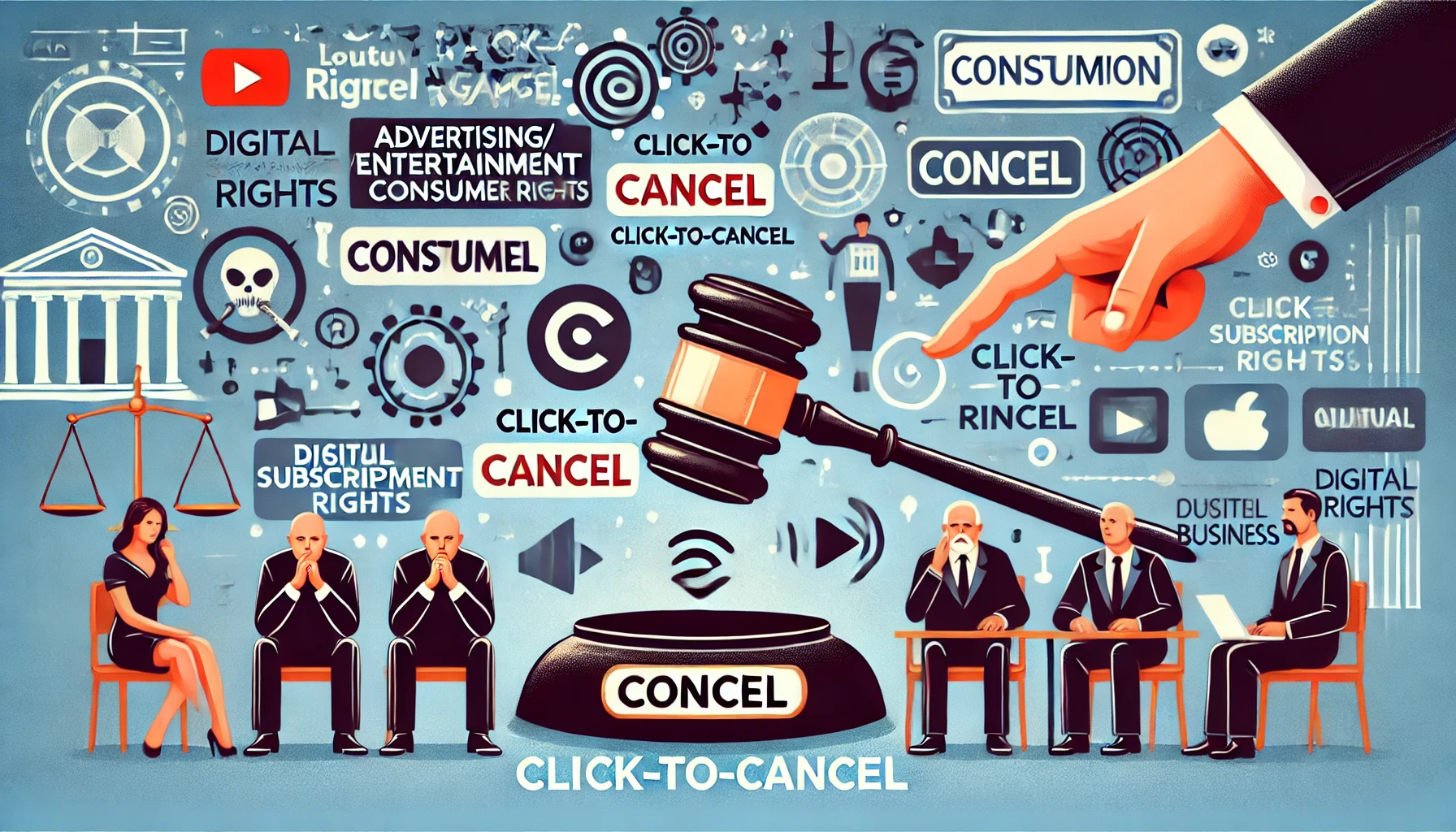
  • Ad Industry and Entertainment Groups Sue to Block Click-to-Cancel Rule

    Ad Industry and Entertainment Groups Sue to Block Click-to-Cancel Rule

    In a significant move that has drawn the attention of businesses and consumers alike, prominent advertising and entertainment industry groups have filed a lawsuit to challenge the new click-to-cancel rule proposed by regulatory bodies. This rule, designed to simplify the process for consumers to cancel subscriptions and services, has sparked controversy and strong opposition from major industry stakeholders.

    What Is the Click-to-Cancel Rule?

    The click-to-cancel rule is a regulation aimed at streamlining the cancellation process for subscription-based services. Proposed by the Federal Trade Commission (FTC), the rule mandates that businesses must offer consumers an easy, straightforward method to cancel subscriptions online, similar to how they were signed up. This rule seeks to eliminate hidden barriers that make canceling services cumbersome, ensuring a more transparent and consumer-friendly process.

    Why Are Industry Groups Opposing the Rule?

    Advertising and entertainment groups argue that the click-to-cancel rule could have severe repercussions for businesses reliant on subscription-based revenue models. Here are some key concerns cited in the lawsuit:

    • Impact on Revenue: Industry groups contend that making cancellations easier could lead to significant revenue losses for businesses that rely heavily on subscription renewals.
    • Operational Challenges: Implementing these changes requires revising existing systems, which could pose logistical and financial challenges, particularly for smaller companies.
    • Potential Overreach: The lawsuit argues that the FTC may be overstepping its regulatory boundaries with this rule, imposing restrictions that may not align with current legislative frameworks.

    Consumer Perspective

    On the other hand, consumer advocacy groups argue that the rule is a necessary step towards protecting users from predatory practices. Many consumers have long voiced frustration over difficult and convoluted cancellation processes designed to discourage them from opting out. The click-to-cancel rule aims to address these grievances by promoting user-friendly and transparent service practices.

    What’s Next?

    As the legal battle unfolds, businesses and consumers alike are paying close attention to its outcome. If the rule is upheld, companies will need to adopt more consumer-centric cancellation policies, potentially reshaping how subscription-based services operate. On the flip side, if the industry groups succeed in blocking the rule, it may signal ongoing challenges for consumer rights in the subscription space.

    The lawsuit against the click-to-cancel rule highlights the delicate balance between protecting consumer rights and maintaining business interests. While the outcome remains uncertain, it is clear that this decision will have a far-reaching impact on the subscription economy and consumer experiences.

    Stay tuned for updates as this legal battle progresses and how it may influence the future of digital marketing and consumer protection policies.

  • 5 Key Stats on Marketing Through Emotion You Need to Know

    5 Key Stats on Marketing Through Emotion You Need to Know

    Marketing has evolved beyond just presenting products or services—it now taps into human emotion to forge deeper connections with consumers. Emotional marketing is a strategy that appeals to a customer’s feelings, values, and desires, leading to more profound and lasting engagement. Here are five key stats that highlight the power and effectiveness of marketing through emotion:

    1. Emotional Campaigns Perform Twice as Well as Rational Ones

    According to a study by Nielsen, emotional content in advertising outperforms purely rational content by about 2:1. Ads that evoke strong emotional responses drive higher engagement and increase the likelihood of consumers remembering the brand. This underscores the importance of appealing to feelings to make campaigns more impactful.

    2. Brand Loyalty is Boosted by Emotional Connection

    Research by Capgemini shows that 82% of consumers with a strong emotional bond to a brand are more likely to remain loyal customers. This loyalty translates into repeat business and positive word-of-mouth referrals, making emotional marketing a long-term strategy for sustainable growth.

    3. Emotionally Charged Content Is Shared More Frequently

    A study by the New York Times Consumer Insight Group found that people are 70% more likely to share content that triggers emotions like awe, happiness, or amusement. This viral potential helps brands reach new audiences organically and expand their visibility without heavy advertising costs.

    4. Emotion Drives Purchase Decisions

    Harvard Business Review reported that emotions play a significant role in 95% of purchase decisions. Consumers often make buying choices based on how a product or service makes them feel rather than just its features or price. Marketers who harness this insight can create messages that resonate and motivate action.

    5. Emotional Ads Have a Higher ROI

    Data from the Institute of Practitioners in Advertising (IPA) indicates that campaigns with purely emotional content have a profitability increase of 31% compared to those that are rational or a mix of both. This demonstrates that an emotional focus not only strengthens brand recognition but also contributes to tangible business results.

    Emotional marketing is more than a trend—it’s a proven approach that can elevate brand engagement, foster loyalty, and drive sales. By incorporating emotional triggers into your marketing strategy, you can build deeper connections with your audience and create lasting impressions that set your brand apart.

    Interested in learning more about effective marketing strategies? Visit BATVE for valuable insights and tools to amplify your brand’s emotional appeal.

  • Myths and Misconceptions of Digital Advertising

    Myths and Misconceptions of Digital Advertising

    Digital advertising has become an integral part of modern marketing strategies. However, despite its widespread adoption, many myths and misconceptions still surround this powerful tool. For entrepreneurs and businesses looking to harness the potential of digital advertising, it’s crucial to separate fact from fiction. Here are some common myths and misconceptions about digital advertising and the truths behind them.

    1. Myth: Digital Advertising Is Only for Big Businesses

    Reality: One of the most pervasive myths is that digital advertising is only effective or affordable for large corporations with big budgets. In reality, digital advertising is highly scalable, allowing small and medium-sized businesses to tailor their campaigns to fit their budget. Platforms like Google Ads and social media channels offer customizable options where businesses can set daily spending limits and target specific audiences, making it accessible for companies of all sizes.

    2. Myth: You Need Viral Content to Succeed

    Reality: While viral content can generate a significant amount of attention, it’s not a requirement for success. Effective digital advertising focuses on consistent, targeted efforts that build brand awareness over time. The key is to produce quality content that resonates with your target audience and aligns with your brand’s voice and objectives. Even without a viral hit, steady, strategic advertising can yield substantial results.

    3. Myth: Digital Advertising Guarantees Immediate Results

    Reality: Many businesses enter digital advertising with the expectation of seeing instant returns. However, digital advertising, much like traditional marketing, often requires time to optimize and yield desired outcomes. Success depends on various factors such as ad targeting, creative quality, and the effectiveness of landing pages. Continuous monitoring, testing, and adjustment are essential components of a successful digital advertising strategy.

    4. Myth: More Clicks Mean More Success

    Reality: While clicks are an important metric, they don’t necessarily equate to success. The ultimate goal of digital advertising should be conversions—whether that means a sale, lead capture, or another desired action. It’s vital to focus on the quality of the traffic, not just the quantity. An ad campaign that attracts clicks but fails to drive meaningful interactions or conversions is unlikely to yield a positive return on investment.

    5. Myth: Digital Advertising Is Completely Automated

    Reality: Although automation tools can help streamline the process, digital advertising still requires human oversight and strategic input. Campaigns need to be monitored and adjusted based on real-time data to ensure they are performing optimally. Creative elements, targeting criteria, and bidding strategies often need human insights to make data-driven decisions that align with a brand’s goals.

    Final Thoughts

    Digital advertising is a powerful, adaptable tool for reaching target audiences and driving business growth. By debunking these common myths and understanding the realities, entrepreneurs and businesses can better utilize digital advertising to their advantage. Remember, success in digital advertising requires a balanced approach, continuous learning, and adaptation.

    Ready to take your digital advertising strategy to the next level? Visit BATVE for insights, guidance, and tools to help you succeed in the digital landscape.

  • 5 Ways Entrepreneurs Can Boost Their Visibility with Affiliate Marketing

    5 Ways Entrepreneurs Can Boost Their Visibility with Affiliate Marketing

    Affiliate marketing is more than just a revenue-generating strategy; it’s a powerful tool for expanding brand visibility and establishing a strong online presence. For entrepreneurs looking to boost their profile and reach a broader audience, leveraging affiliate marketing can be a game changer. Here’s how entrepreneurs can effectively use affiliate marketing to amplify their visibility:

    1. Partner with Influential Affiliates

    Collaborating with well-known affiliates in your niche can significantly enhance your brand’s visibility. By partnering with bloggers, social media influencers, and industry experts, your products or services get exposure to their established audiences. This endorsement adds credibility and broadens your reach to potential customers who trust these affiliates’ opinions.

    2. Create High-Value Affiliate Content

    Providing affiliates with engaging content such as product reviews, tutorials, and in-depth guides can increase the likelihood of your products being shared. High-value content that educates and entertains audiences tends to perform better, encouraging more shares and interactions. Equip your affiliates with tools like promotional videos, images, and custom discount codes to help them effectively market your brand.

    3. Offer Competitive Commissions

    One of the most compelling reasons affiliates choose to promote a brand is the potential earnings. By offering competitive commissions, you attract top-tier affiliates who are motivated to market your products aggressively. Entrepreneurs can stand out by creating commission structures that reward affiliates for volume or long-term promotions.

    4. Leverage Multi-Channel Marketing

    Affiliates can expand your brand’s reach across various channels, including social media, blogs, and email newsletters. Utilize affiliates who are active on multiple platforms to gain visibility in different spaces. This multi-channel approach ensures your brand’s message reaches audiences where they are most engaged.

    5. Foster Long-Term Relationships with Affiliates

    Building lasting relationships with your affiliates helps create a loyal network of promoters. Regular communication, exclusive opportunities, and performance-based incentives show affiliates that they are valued partners. This sense of partnership encourages affiliates to put more effort into promoting your brand, ensuring consistent visibility.

    Final Thoughts

    Affiliate marketing isn’t just about driving sales—it’s a strategic approach for enhancing your brand’s visibility and reputation. Entrepreneurs who invest time in nurturing affiliate partnerships and providing the right tools for success can unlock new levels of exposure and growth. Start implementing these strategies today and watch as your brand becomes more recognizable and influential in your industry.