Blog

  • Clean Energy Solutions for Businesses: Reducing Costs and Emissions

    Clean Energy Solutions for Businesses: Reducing Costs and Emissions

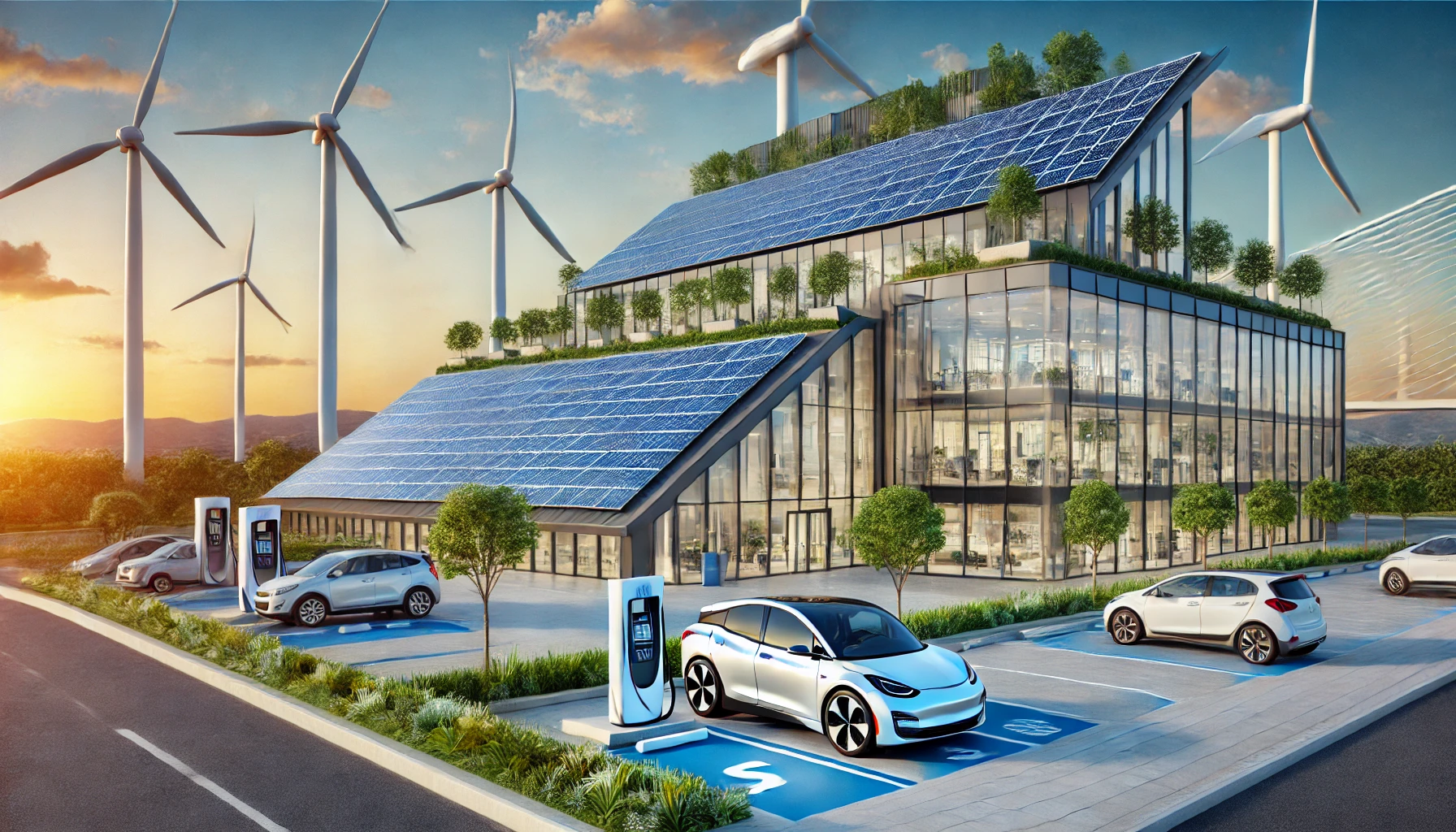
    As businesses face rising energy costs and growing environmental concerns, adopting clean energy solutions has become essential. From cutting expenses to reducing carbon emissions, clean energy technologies can transform how companies operate while promoting sustainability.


    Why Businesses Need Clean Energy Solutions

    1. Cost Savings: Lower energy bills and reduce long-term operational costs.
    2. Carbon Footprint Reduction: Decrease greenhouse gas emissions.
    3. Brand Reputation: Build a positive brand image with eco-conscious consumers.
    4. Regulatory Compliance: Stay ahead of environmental regulations.
    5. Competitive Advantage: Attract investors focused on sustainable businesses.

    Top Clean Energy Solutions for Businesses

    1. Solar Power Systems

    Installing solar panels on rooftops or open spaces can significantly reduce energy bills. Solar energy provides a stable and predictable power source, lowering electricity expenses.

    Benefits:

    • Generate electricity on-site.
    • Qualify for solar tax credits and incentives.

    2. Wind Energy Integration

    Businesses in windy regions can leverage wind turbines for clean energy generation. Wind farms can be installed on-site or through power purchase agreements (PPAs).

    Benefits:

    • Produce clean, renewable energy year-round.
    • Gain energy independence from utility companies.

    3. Energy-Efficient HVAC Systems

    Heating, ventilation, and air conditioning systems can be optimized to consume less energy. Consider upgrading to modern, energy-efficient models with smart thermostats.

    Benefits:

    • Reduce energy consumption.
    • Lower maintenance costs.

    4. Electric Vehicle (EV) Charging Stations

    Installing EV charging stations encourages employees to adopt eco-friendly vehicles, reducing overall emissions associated with commuting.

    Benefits:

    • Enhance corporate sustainability goals.
    • Attract environmentally conscious employees and clients.

    5. Green Building Technologies

    Adopt energy-efficient building designs, including LED lighting, insulation upgrades, and smart building automation systems.

    Benefits:

    • Lower energy costs through improved efficiency.
    • Improve indoor air quality and workspace comfort.

    6. Energy Storage Systems

    Battery storage solutions can store excess energy from solar or wind systems, providing backup power during peak hours or outages.

    Benefits:

    • Maximize energy independence.
    • Avoid expensive peak-hour electricity rates.

    7. Smart Energy Management Systems

    Advanced energy management platforms can monitor energy consumption in real time, allowing businesses to identify inefficiencies and optimize usage.

    Benefits:

    • Gain actionable insights.
    • Automate energy-saving processes.

    How to Get Started with Clean Energy

    1. Conduct an Energy Audit: Identify areas where energy is being wasted.
    2. Set Sustainability Goals: Define clear targets for energy savings and emissions reduction.
    3. Explore Incentives and Grants: Take advantage of government programs and rebates.
    4. Partner with Experts: Work with experienced clean energy providers like Clean Energy by BATVE for tailored solutions.

    The Business Case for Sustainability

    Investing in clean energy isn’t just environmentally responsible—it’s a smart business strategy. By embracing renewable energy solutions, companies can reduce costs, achieve sustainability targets, and future-proof operations against rising energy prices.
  • How Solar, Wind, and Hydrogen Are Leading the Clean Energy Revolution

    How Solar, Wind, and Hydrogen Are Leading the Clean Energy Revolution

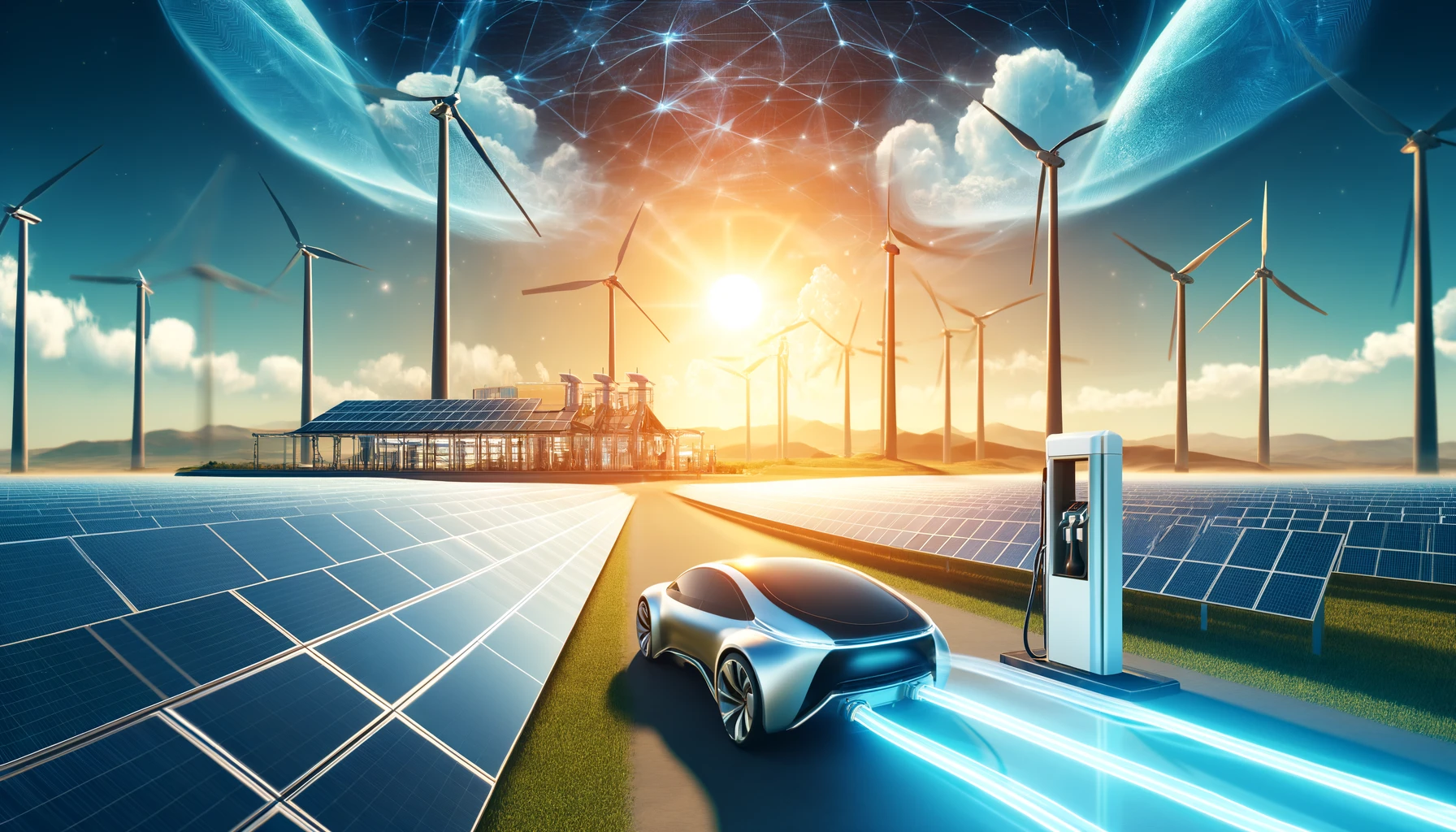
    As the world races toward sustainability, solar, wind, and hydrogen power have emerged as the pillars of the clean energy revolution. These renewable energy sources are shaping a greener future by reducing carbon emissions, driving innovation, and transforming how we power homes, businesses, and transportation.


    1. Solar Power: The Bright Future of Energy

    Solar power has become the most widely adopted renewable energy source due to its accessibility and declining costs. Advances in solar technology are driving global adoption at an unprecedented scale.

    Key Innovations in Solar Energy

    • High-Efficiency Solar Panels: New materials like perovskite are making solar panels more efficient.
    • Solar Skins & Smart Panels: Aesthetic solar panels that blend with roofs are gaining popularity.
    • Energy Storage Integration: Home battery systems store excess solar power for nighttime use.

    Global Impact:

    Solar energy now powers millions of homes and businesses, with solar farms providing electricity to entire cities.


    2. Wind Power: Turning Wind Into a Global Power Source

    Wind energy is one of the fastest-growing renewable sectors. Wind turbines convert kinetic energy from the wind into electricity, making it a key player in reducing carbon emissions.

    Key Innovations in Wind Energy

    • Offshore Wind Farms: Turbines installed in oceans capture stronger, more consistent winds.
    • Floating Wind Turbines: These can operate in deeper waters, expanding usable areas.
    • Smart Wind Farms: AI and IoT technology optimize wind farm operations, maximizing output.

    Global Impact:

    Countries like Denmark, the U.S., and China are investing heavily in wind power, setting records for renewable electricity generation.


    3. Hydrogen Power: The Clean Fuel of the Future

    Hydrogen power is gaining momentum due to its versatility in powering industries, vehicles, and even entire cities. Hydrogen fuel cells produce zero emissions, making them an eco-friendly energy source.

    Key Innovations in Hydrogen Energy

    • Green Hydrogen Production: Electrolysis powered by renewable energy generates carbon-free hydrogen.
    • Fuel Cell Vehicles (FCVs): Hydrogen-powered cars, buses, and even planes are becoming reality.
    • Industrial Applications: Hydrogen is replacing fossil fuels in heavy industries like steel and cement production.

    Global Impact:

    Governments and companies are investing billions in hydrogen infrastructure to decarbonize transportation and industry.


    Why These Sources Matter

    Combining solar, wind, and hydrogen technologies ensures a sustainable, low-carbon energy future. Together, they offer a comprehensive solution for electricity, transportation, and industry while reducing reliance on fossil fuels.


    The clean energy revolution is in full swing, and now is the time to embrace sustainable energy solutions. Stay informed about the latest clean energy innovations by visiting Clean Energy by BATVE.

  • How to Transition to Clean Energy: A Comprehensive Guide for Homeowners

    How to Transition to Clean Energy: A Comprehensive Guide for Homeowners

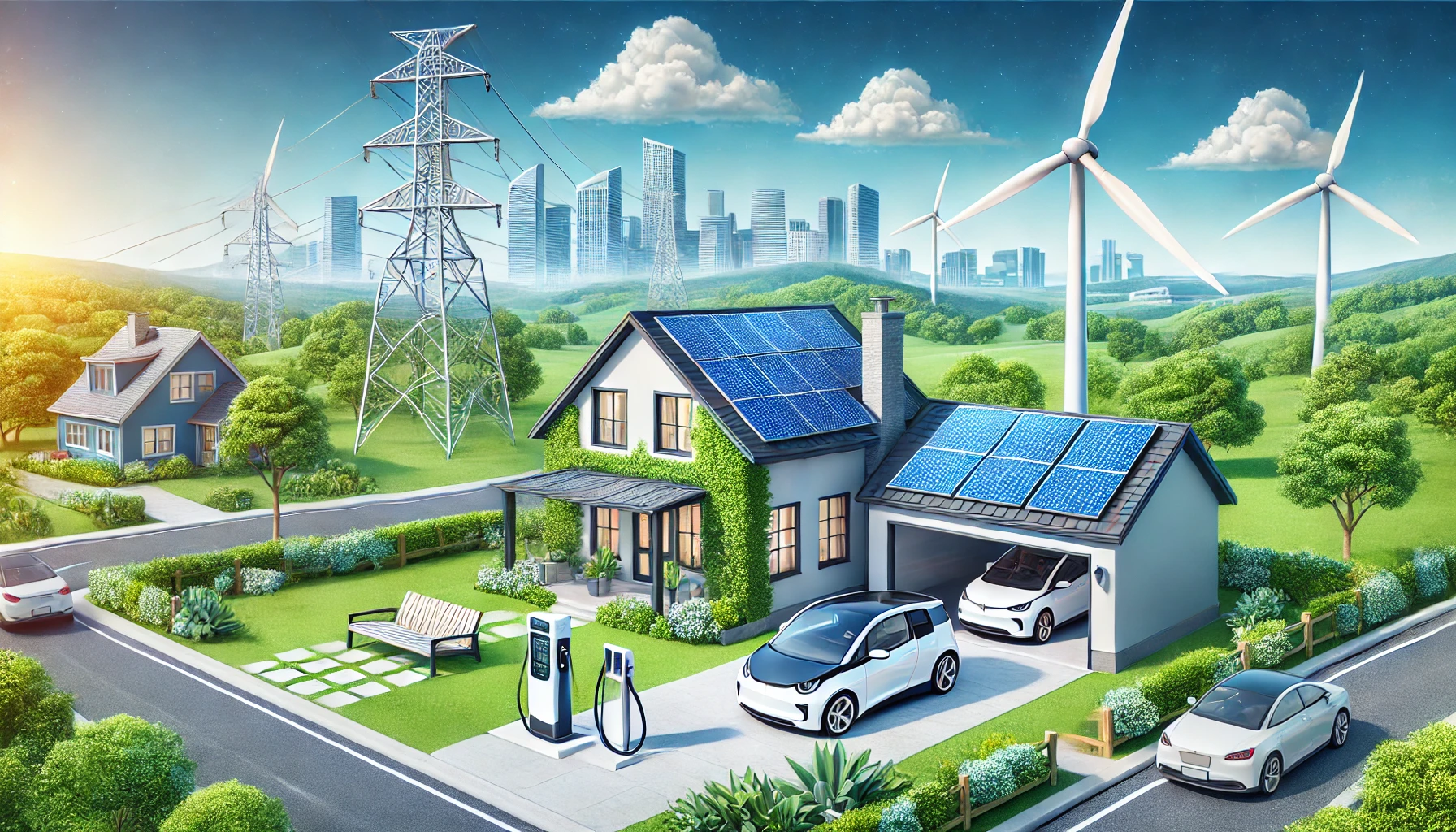
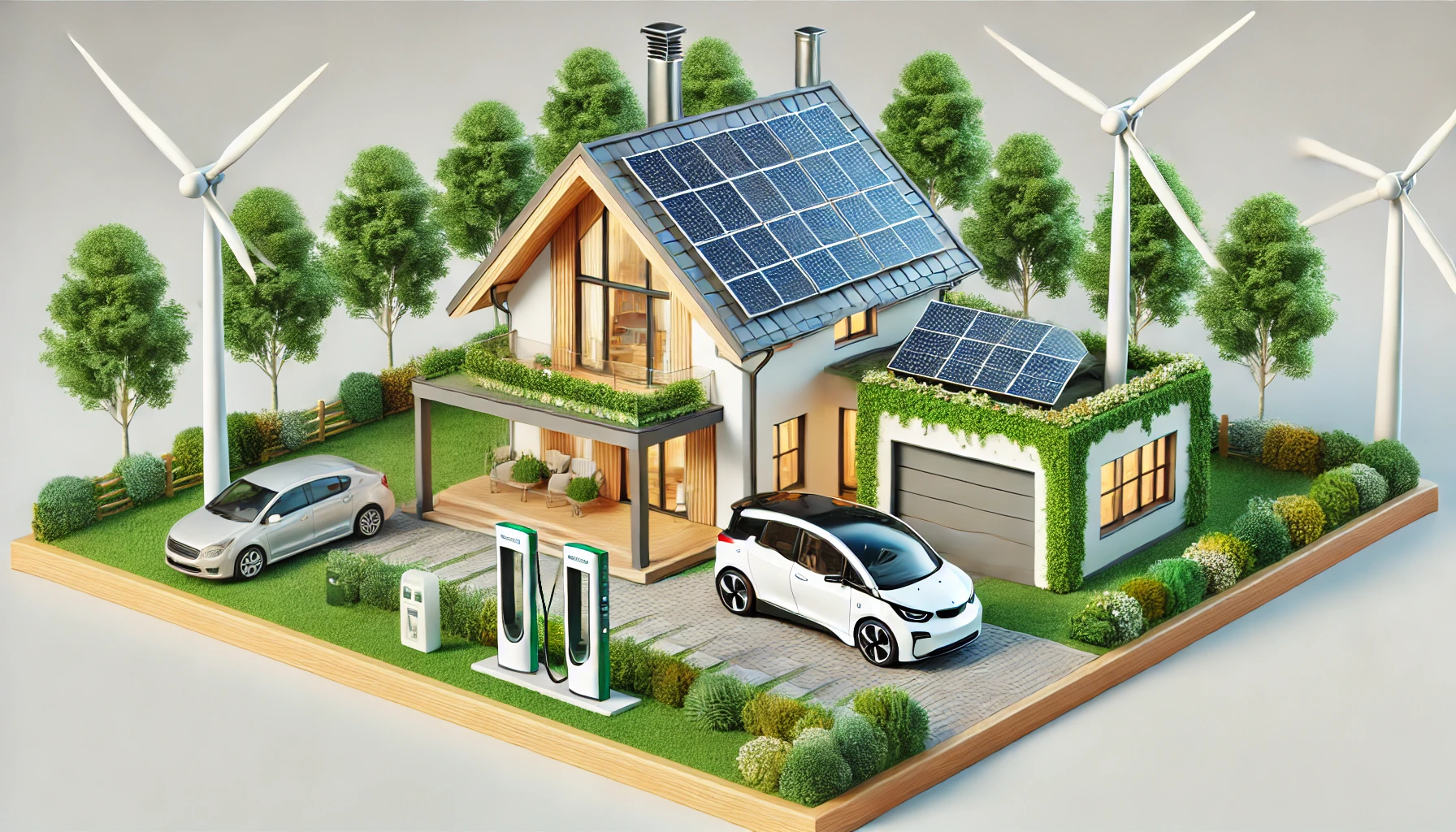
    Transitioning to clean energy is one of the best ways homeowners can reduce their carbon footprint, save money, and contribute to a sustainable future. This guide will walk you through the steps, from understanding clean energy options to implementing them in your home.


    Why Transition to Clean Energy?

    1. Environmental Impact: Reduces greenhouse gas emissions.
    2. Energy Savings: Lowers monthly utility bills.
    3. Energy Independence: Protects against rising energy costs.
    4. Home Value Increase: Eco-friendly homes are more appealing to buyers.

    Step-by-Step Guide to Transitioning to Clean Energy

    1. Assess Your Home’s Energy Needs

    • Conduct an energy audit to identify power usage.
    • Evaluate areas for improvement, such as insulation and appliance upgrades.

    2. Explore Clean Energy Sources

    a. Solar Power

    • How It Works: Converts sunlight into electricity.
    • Best For: Sunny regions and homes with south-facing roofs.

    b. Wind Power

    • How It Works: Wind turbines generate electricity from wind energy.
    • Best For: Homes in windy areas with open spaces.

    c. Geothermal Heating & Cooling

    • How It Works: Uses underground temperatures for heating and cooling.
    • Best For: Homes undergoing major renovations or new builds.

    3. Upgrade Home Energy Systems

    a. Smart Home Devices

    • Install smart thermostats and energy-efficient appliances to reduce energy waste.

    b. Energy-Efficient Lighting

    • Replace old bulbs with LED or smart lighting systems.

    4. Install Solar Panels or Wind Turbines

    • Hire certified professionals for safe and efficient installation.
    • Check for local and federal tax credits or rebates.

    5. Consider Energy Storage Solutions

    • Add battery storage systems to store excess energy for later use.
    • Look for home backup options to stay powered during outages.

    6. Switch to a Green Energy Provider

    • Contact your electricity provider to switch to renewable energy plans.
    • Compare providers to find the most eco-friendly and cost-effective plan.

    7. Take Advantage of Financial Incentives

    • Research federal, state, and local tax incentives.
    • Apply for solar panel rebates, energy-efficient home improvement grants, and clean energy loans.

    The Future Is Green: Why Act Now?

    With climate change posing significant environmental risks, now is the perfect time for homeowners to adopt clean energy solutions. The benefits go beyond personal savings—they help create a cleaner, more sustainable planet for future generations.


    Get Started Today!

    Ready to power your home with clean energy? Visit Clean Energy by BATVE to learn about the latest renewable energy solutions tailored for homeowners.

  • The Future of Clean Energy: What to Expect in the Next Decade

    The Future of Clean Energy: What to Expect in the Next Decade

    The clean energy revolution is gaining momentum as global demand for sustainable power continues to rise. The next decade promises transformative changes fueled by technological advancements, policy shifts, and increased investment in renewable energy sources. Let’s explore the future of clean energy and what we can expect by 2034.


    Key Trends Shaping the Future of Clean Energy

    1. Advanced Solar Technologies

    Solar energy will remain central to the clean energy landscape. Expect high-efficiency solar panels, solar skins, and transparent solar windows that turn everyday surfaces into energy-generating platforms.

    Forecast: By 2034, solar energy is expected to be the most cost-effective energy source globally.


    2. Wind Power Expansion

    Wind energy technology will evolve with larger turbines and floating offshore wind farms. These advancements will unlock vast offshore wind potential, making wind power a dominant force in renewable energy generation.

    Forecast: Offshore wind capacity could increase by 10x, supplying power to millions of homes.


    3. Energy Storage Breakthroughs

    Energy storage is key to stabilizing renewable energy grids. Expect solid-state batteries, hydrogen fuel cells, and next-gen lithium-ion batteries that will store energy more efficiently and last longer.

    Forecast: Grid-scale battery storage will become commonplace, enabling uninterrupted renewable energy supply.


    4. Green Hydrogen Revolution

    Green hydrogen, produced using renewable electricity, will fuel sectors hard to decarbonize, such as heavy industry, shipping, and aviation.

    Forecast: Green hydrogen could replace fossil fuels in major industrial operations within a decade.


    5. Smart Grids and AI Integration

    Smart grids powered by artificial intelligence (AI) and blockchain technology will enhance energy distribution and consumption monitoring. This means more efficient grids with fewer outages.

    Forecast: Smart energy systems will become standard in both developed and emerging economies.


    6. Electric Vehicle (EV) Expansion

    The EV market will expand rapidly, supported by cleaner energy grids and ultra-fast charging stations. Innovations like vehicle-to-grid (V2G) technology will let EVs return energy to the power grid.

    Forecast: EVs will dominate global auto sales, with fossil-fuel cars becoming obsolete.


    7. Global Policy and Investment Boosts

    Supportive policies and international agreements will accelerate clean energy adoption. Expect major investments from governments and private sectors to build sustainable energy infrastructure.

    Forecast: Global renewable energy investments could exceed $10 trillion by 2034.


    Conclusion

    The future of clean energy is bright and full of potential. From solar breakthroughs to hydrogen power and smarter grids, the next decade will be defined by cleaner, more efficient, and sustainable energy systems. If you’re ready to be part of this green revolution, explore cutting-edge clean energy solutions at Clean Energy by BATVE.

  • BATVE: Pioneering the Future of Electric Vehicle Charging Solutions

    BATVE: Pioneering the Future of Electric Vehicle Charging Solutions

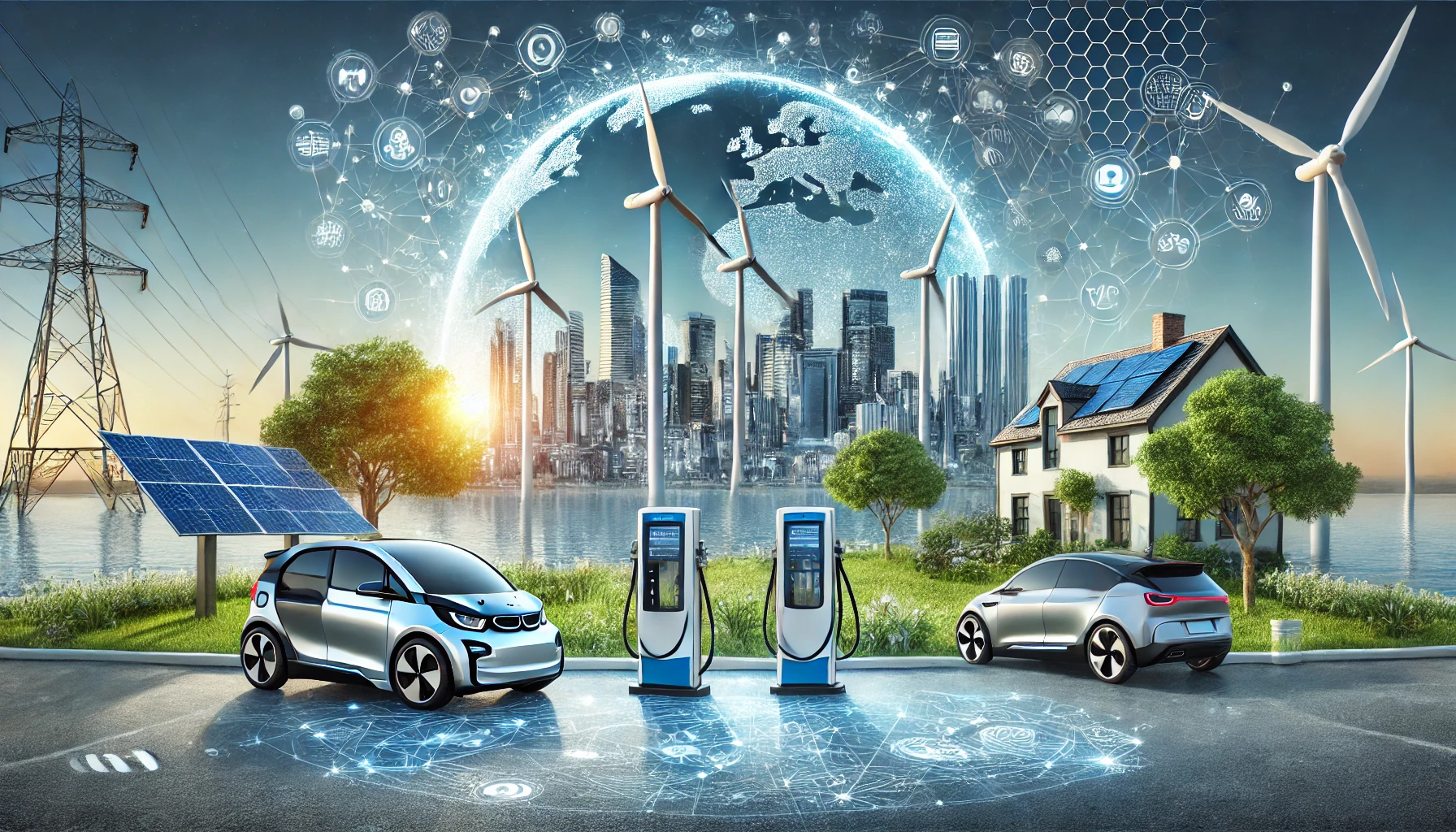
    As the electric vehicle (EV) revolution accelerates, the demand for reliable and efficient charging infrastructure has never been greater. BATVE stands at the forefront of this transition, providing cutting-edge EV charging solutions tailored for today’s dynamic world.

    Why Choose BATVE?

    1. Innovative Technology:
      BATVE’s charging stations feature state-of-the-art technology, including ultra-fast charging, real-time monitoring, and seamless payment integration.
    2. Sustainability Focus:
      Sustainability is embedded in BATVE’s mission. The stations incorporate eco-friendly materials and are powered by renewable energy sources like solar, reducing carbon emissions.
    3. Smart Network Integration:
      With advanced cloud-based connectivity, BATVE chargers enable effortless fleet management, remote troubleshooting, and app-based navigation for users.
    4. User-Centered Design:
      The sleek, modern design of BATVE’s charging stations not only enhances urban aesthetics but also ensures user-friendly access, making EV charging intuitive and stress-free.

    Future-Ready Expansion:
    BATVE is committed to global expansion with scalable solutions designed for residential, commercial, and public sectors. Their forward-thinking approach supports the seamless adoption of electric mobility on a global scale.

    Conclusion:
    BATVE isn’t just building EV charging infrastructure—it’s shaping a cleaner, greener future. With innovation, sustainability, and unmatched service at its core, BATVE is charging ahead in the EV revolution.

    Explore more at: BATVE Website

  • The Benefits of Clean Energy for Your Home and the Environment

    The Benefits of Clean Energy for Your Home and the Environment

    As the world shifts toward sustainability, clean energy has emerged as the ultimate solution for homes and businesses alike. Clean energy sources such as solar, wind, and hydropower not only lower utility bills but also reduce environmental impact. In this blog, we’ll explore how switching to clean energy can benefit your home while protecting the environment.

    Explore cutting-edge renewable energy solutions at CleanEnergy.Batve.com and make the switch to a cleaner, greener future today!


    Benefits of Clean Energy for Your Home

    1. Lower Utility Bills

    Installing solar panels or wind turbines at home can significantly reduce electricity costs. By generating your own power, you can decrease or even eliminate monthly utility bills. Many homeowners also benefit from net metering, earning credits for surplus energy sent back to the grid.


    2. Increased Home Value

    Homes equipped with clean energy systems like solar panels or energy-efficient HVAC systems typically have higher property values. Buyers are increasingly looking for energy-efficient homes due to long-term savings and environmental benefits.


    3. Energy Independence

    By producing your own electricity, you reduce dependence on utility companies and protect yourself from rising energy costs. Homeowners can enjoy uninterrupted power even during outages, thanks to battery storage systems.


    4. Government Incentives and Tax Credits

    Many governments offer financial incentives such as tax credits, rebates, and grants to encourage clean energy adoption. These programs can reduce installation costs, making clean energy solutions more affordable for homeowners.


    5. Minimal Maintenance

    Solar panels and wind turbines require minimal maintenance, with warranties often covering 20-25 years. This makes renewable energy systems a hassle-free investment for homeowners.


    Environmental Benefits of Clean Energy

    1. Reduces Carbon Emissions

    Clean energy systems generate electricity without producing harmful greenhouse gases. Switching to solar or wind power can drastically lower your home’s carbon footprint, helping to combat climate change.


    2. Reduces Air and Water Pollution

    Unlike fossil fuel-based power plants, clean energy technologies produce no harmful emissions, reducing air and water pollution. This helps create cleaner, healthier environments for humans and wildlife alike.


    3. Conserves Natural Resources

    Renewable energy sources like sunlight, wind, and water are infinite and sustainable. By using these resources, we reduce dependence on limited fossil fuels such as coal, oil, and gas.


    4. Preserves Wildlife and Habitats

    Clean energy systems like solar farms and wind turbines have a much smaller environmental footprint than traditional energy sources. They help preserve natural habitats and ecosystems, supporting biodiversity.


    5. Combats Climate Change

    Reducing greenhouse gas emissions through renewable energy adoption slows global warming. Countries embracing clean energy have already seen significant reductions in carbon emissions, helping meet international climate goals.


    Why Make the Switch Today?

    Switching to clean energy is a win-win. It lowers your energy bills, increases property value, and helps protect the planet. Ready to go green? Visit CleanEnergy.Batve.com for energy-efficient products and customized solutions for your home and business.

  • How Clean Energy Helps Fight Climate Change and Reduces Carbon Footprints

    How Clean Energy Helps Fight Climate Change and Reduces Carbon Footprints

    As climate change accelerates, adopting clean energy solutions has become essential for protecting our planet. By reducing carbon emissions and lowering our overall carbon footprint, clean energy sources like solar, wind, and hydropower play a critical role in combating global warming. In this blog, we’ll explore how clean energy helps fight climate change and what makes it a sustainable choice for a greener future.

    Explore renewable energy solutions at CleanEnergy.Batve.com and take a step toward reducing your carbon footprint today.


    What Is Clean Energy?

    Clean energy comes from renewable resources that produce little to no carbon emissions. Unlike fossil fuels such as coal and natural gas, renewable energy sources are sustainable and eco-friendly. The most popular clean energy sources include:

    • Solar Energy: Converts sunlight into electricity.
    • Wind Energy: Uses wind turbines to generate power.
    • Hydropower: Produces energy from flowing water.
    • Geothermal Energy: Taps into heat from the Earth’s core.

    How Clean Energy Fights Climate Change

    1. Reduces Greenhouse Gas Emissions

    Burning fossil fuels releases carbon dioxide (CO2), methane, and other greenhouse gases that trap heat in the atmosphere, causing global warming. Clean energy sources generate electricity without emitting harmful gases, significantly reducing the carbon footprint of homes, businesses, and industries.


    2. Decreases Air and Water Pollution

    Traditional energy production pollutes the air and water with chemicals, toxins, and harmful particles. Renewable energy technologies like wind turbines and solar panels produce no pollution, helping maintain cleaner air and healthier ecosystems.


    3. Protects Natural Habitats

    Fossil fuel extraction often involves deforestation, habitat destruction, and soil degradation. Clean energy systems like wind farms and solar fields have a much smaller environmental footprint, preserving vital ecosystems and supporting biodiversity.


    4. Slows Global Warming

    By reducing carbon emissions and replacing fossil fuel-based power plants, clean energy directly slows down the effects of global warming. Countries adopting renewable energy have already seen significant reductions in CO2 emissions, helping to meet global climate goals.


    5. Provides Sustainable Energy Supply

    Clean energy sources are renewable and virtually limitless. Unlike fossil fuels, which will eventually run out, solar, wind, and hydropower resources are naturally replenished, ensuring long-term sustainability and energy security.


    6. Supports Climate-Resilient Infrastructure

    Clean energy technologies can strengthen community resilience against climate-related disasters. Microgrids powered by solar and wind energy can keep essential services running during emergencies like hurricanes, floods, and wildfires.


    7. Encourages Green Innovation and Jobs

    The clean energy industry is fostering innovation in energy-efficient technologies, creating millions of jobs worldwide. From solar panel installation to wind turbine maintenance, renewable energy careers are shaping a sustainable economy while reducing environmental impact.


    Why Reducing Your Carbon Footprint Matters

    Reducing your carbon footprint helps combat climate change by minimizing the release of CO2 into the atmosphere. Simple steps like switching to renewable energy, driving electric vehicles, and conserving energy at home can make a significant impact.

    Ready to reduce your carbon footprint? Visit CleanEnergy.Batve.com for sustainable energy solutions tailored to your needs.

  • Clean Energy Innovations You Need to Know for a Greener Tomorrow

    Clean Energy Innovations You Need to Know for a Greener Tomorrow

    As the world accelerates its transition to sustainability, clean energy innovations are reshaping the way we generate, store, and use power. From advanced solar technology to AI-driven energy management systems, these innovations are driving a cleaner, greener future. In this blog, we’ll explore the most promising clean energy technologies you need to know for a sustainable tomorrow.

    Discover the latest in renewable energy at CleanEnergy.Batve.com and power your life sustainably!


    Top Clean Energy Innovations for a Sustainable Future

    1. Next-Generation Solar Panels

    Solar power technology is evolving rapidly. Innovations such as bifacial solar panels, transparent solar cells, and perovskite solar cells are boosting efficiency and reducing costs. These panels can generate more energy even in low-light conditions, making solar power more accessible.


    2. Floating Wind Farms

    Offshore wind farms are advancing with floating wind turbines that can be installed in deeper waters where wind speeds are higher. These innovations are increasing global wind energy production while reducing the environmental impact on land.


    3. Green Hydrogen Production

    Green hydrogen is emerging as a zero-emission fuel produced through water electrolysis powered by renewable energy. It can power heavy industries, fuel cells, and transportation, making it a crucial component of a carbon-neutral future.


    4. Advanced Energy Storage Systems

    Battery technology has progressed significantly with innovations like solid-state batteries, flow batteries, and grid-scale energy storage systems. These solutions help store renewable energy for use during peak demand and ensure grid stability.


    5. AI-Powered Smart Grids

    Artificial intelligence (AI) and machine learning are transforming how energy grids operate. AI-driven smart grids optimize energy distribution, predict consumption patterns, and balance supply and demand, reducing waste and enhancing reliability.


    6. Carbon Capture and Storage (CCS)

    Carbon capture and storage technologies are advancing to help reduce industrial emissions. CCS systems capture CO2 from the air and either store it underground or use it in manufacturing, making it essential for achieving net-zero carbon targets.


    7. Sustainable Building Technologies

    Smart homes and sustainable buildings now feature energy-efficient designs, smart lighting, and automated HVAC systems. Integrating solar roofs and battery storage systems enhances energy efficiency while reducing utility bills.


    8. Electric Vehicle (EV) Innovations

    The EV industry is experiencing breakthroughs such as ultra-fast charging stations, longer-range batteries, and wireless EV charging. These innovations are making electric vehicles more practical and accessible.


    9. Bioenergy and Waste-to-Energy Solutions

    Innovations in bioenergy include converting agricultural waste, algae, and food scraps into biofuels and electricity. Waste-to-energy plants transform organic waste into renewable energy, reducing landfill pollution.


    10. Energy-Efficient Appliances

    Energy-efficient appliances equipped with smart technology can reduce electricity consumption while maintaining high performance. Devices like smart thermostats, energy-efficient refrigerators, and water heaters help households lower energy bills and environmental impact.


    Why These Innovations Matter

    Clean energy innovations are crucial for combating climate change, reducing emissions, and building a sustainable economy. By adopting these technologies, we can create a cleaner, greener planet for future generations.

    Explore the latest clean energy products and solutions at CleanEnergy.Batve.com and be a part of the renewable energy revolution!

  • Solar vs. Wind: Which Renewable Energy Source Is Right for You?

    Solar vs. Wind: Which Renewable Energy Source Is Right for You?

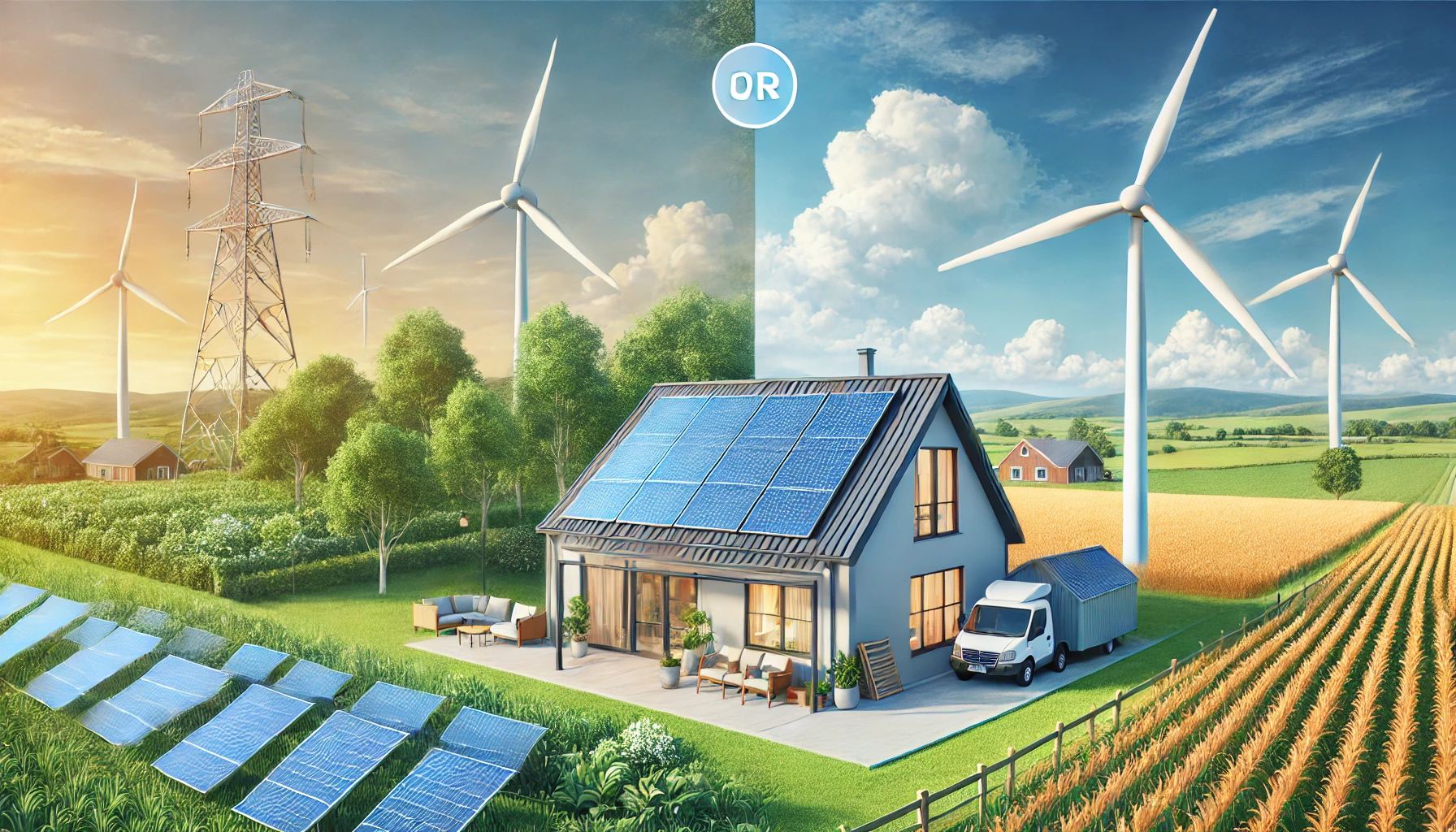
    As the demand for clean energy grows, many homeowners and businesses are turning to solar and wind energy to power their properties. But how do you choose between these two renewable energy sources? Each has unique advantages depending on factors like location, budget, and energy needs. In this blog, we’ll compare solar and wind energy to help you decide which is the best fit for you.

    Discover cutting-edge renewable energy solutions at CleanEnergy.Batve.com and make the switch to sustainable power today.


    How Solar and Wind Energy Work

    Solar Energy

    Solar energy is produced by converting sunlight into electricity using solar panels. Photovoltaic (PV) cells within the panels absorb sunlight, generating direct current (DC) power that’s converted into usable electricity for homes and businesses.

    Best For:

    • Locations with consistent sunlight
    • Urban and residential areas with roof space

    Wind Energy

    Wind energy is generated by wind turbines that convert wind’s kinetic energy into electricity. As the blades spin, they drive a generator that produces electricity. Wind farms are typically installed in open areas with strong and consistent winds.

    Best For:

    • Rural or coastal areas with strong winds
    • Large properties or commercial sites

    Comparing Solar vs. Wind Energy

    **1. Installation and Space Requirements

    • Solar Panels: Can be installed on rooftops, carports, or open land, making them suitable for homes and businesses in both urban and rural areas.
    • Wind Turbines: Require significant open space and height to capture wind effectively, making them less ideal for residential areas.

    **2. Energy Output and Efficiency

    • Solar Panels: Perform best in sunny climates but can still generate electricity on cloudy days.
    • Wind Turbines: Generate power day and night but depend on consistent wind speeds for optimal performance.

    **3. Maintenance Needs

    • Solar Panels: Require minimal maintenance, with occasional cleaning to remove dirt and debris.
    • Wind Turbines: Require regular inspections and maintenance due to mechanical components exposed to harsh weather conditions.

    **4. Environmental Impact

    • Solar Panels: Produce no emissions but require energy-intensive manufacturing processes.
    • Wind Turbines: Emit no greenhouse gases but may affect local wildlife, especially birds.

    **5. Cost and Incentives

    • Solar Panels: Installation costs have dropped significantly, and government incentives like tax credits and rebates can make solar more affordable.
    • Wind Turbines: While wind turbines can be more expensive upfront, large-scale wind farms benefit from economies of scale.

    Which Renewable Energy Source Is Right for You?

    • Choose Solar Energy If:
      • You live in a sunny region.
      • You have limited outdoor space but a large roof.
      • You want a low-maintenance system.
    • Choose Wind Energy If:
      • You have access to strong, consistent winds.
      • You own a large property or commercial site.
      • You want 24/7 power generation.

    Why Not Both?

    Combining solar and wind energy can maximize energy production and ensure a continuous power supply. Hybrid systems are increasingly popular, offering the best of both worlds.


    Explore Clean Energy Solutions Today!

    Whether you choose solar, wind, or a hybrid system, switching to renewable energy is a smart, eco-friendly investment. Visit CleanEnergy.Batve.com to explore the latest clean energy technologies and find the perfect solution for your energy needs.

  • How Clean Energy Can Save Money and Protect the Planet

    How Clean Energy Can Save Money and Protect the Planet

    Clean energy is no longer just an eco-friendly choice—it’s a smart financial decision too. With renewable energy sources like solar, wind, and hydropower, you can reduce utility bills, lower carbon emissions, and contribute to a sustainable planet. In this blog, we’ll explore how clean energy helps save money while protecting the environment.

    Discover energy-efficient solutions at CleanEnergy.Batve.com and take a step toward a greener future today!


    How Clean Energy Saves You Money

    1. Lower Utility Bills

    Switching to renewable energy sources like solar power can significantly reduce your electricity bills. Solar panels produce electricity from sunlight, reducing reliance on the power grid. Homeowners can save thousands of dollars over time by generating their own power.


    2. Government Incentives and Tax Credits

    Many governments offer financial incentives such as tax credits, rebates, and grants to promote the use of renewable energy systems. These incentives can offset the initial installation costs, making clean energy more affordable.


    3. Energy-Efficient Home Upgrades

    Installing energy-efficient appliances, LED lighting, and smart thermostats can reduce energy consumption, lowering utility bills. Homes powered by clean energy often qualify for energy-efficiency rebates, adding to the savings.


    4. Net Metering Programs

    With net metering, you can earn credits on your electricity bill by selling excess power generated by your clean energy system back to the grid. This can eliminate utility costs entirely in some cases.


    5. Protection Against Rising Energy Costs

    Electricity rates from traditional energy providers can fluctuate due to fuel price changes. Clean energy systems provide long-term price stability, protecting you from unexpected utility rate hikes.


    How Clean Energy Protects the Planet

    1. Reduces Carbon Emissions

    Clean energy sources like solar and wind produce zero greenhouse gas emissions. By reducing reliance on fossil fuels, clean energy significantly decreases air pollution and slows climate change.


    2. Conserves Natural Resources

    Renewable energy sources are naturally replenished and sustainable. Unlike fossil fuels, which are finite, resources like sunlight, wind, and water will never run out.


    3. Lowers Air and Water Pollution

    Burning fossil fuels releases harmful pollutants into the air and water, causing environmental damage and health issues. Clean energy generates electricity without polluting the environment, promoting healthier ecosystems.


    4. Supports Biodiversity

    By reducing the need for mining and drilling, renewable energy helps preserve natural habitats and biodiversity. Protecting the environment also means safeguarding wildlife from pollution and habitat destruction.


    5. Fights Climate Change

    Clean energy plays a critical role in combating global warming. Transitioning to renewable energy sources can help meet climate targets and reduce the planet’s carbon footprint for future generations.


    Why Wait? Switch to Clean Energy Today!

    Switching to clean energy is a win-win—it saves money while protecting the planet. Explore energy-efficient products and renewable energy solutions at CleanEnergy.Batve.com. Start your journey toward sustainability today!